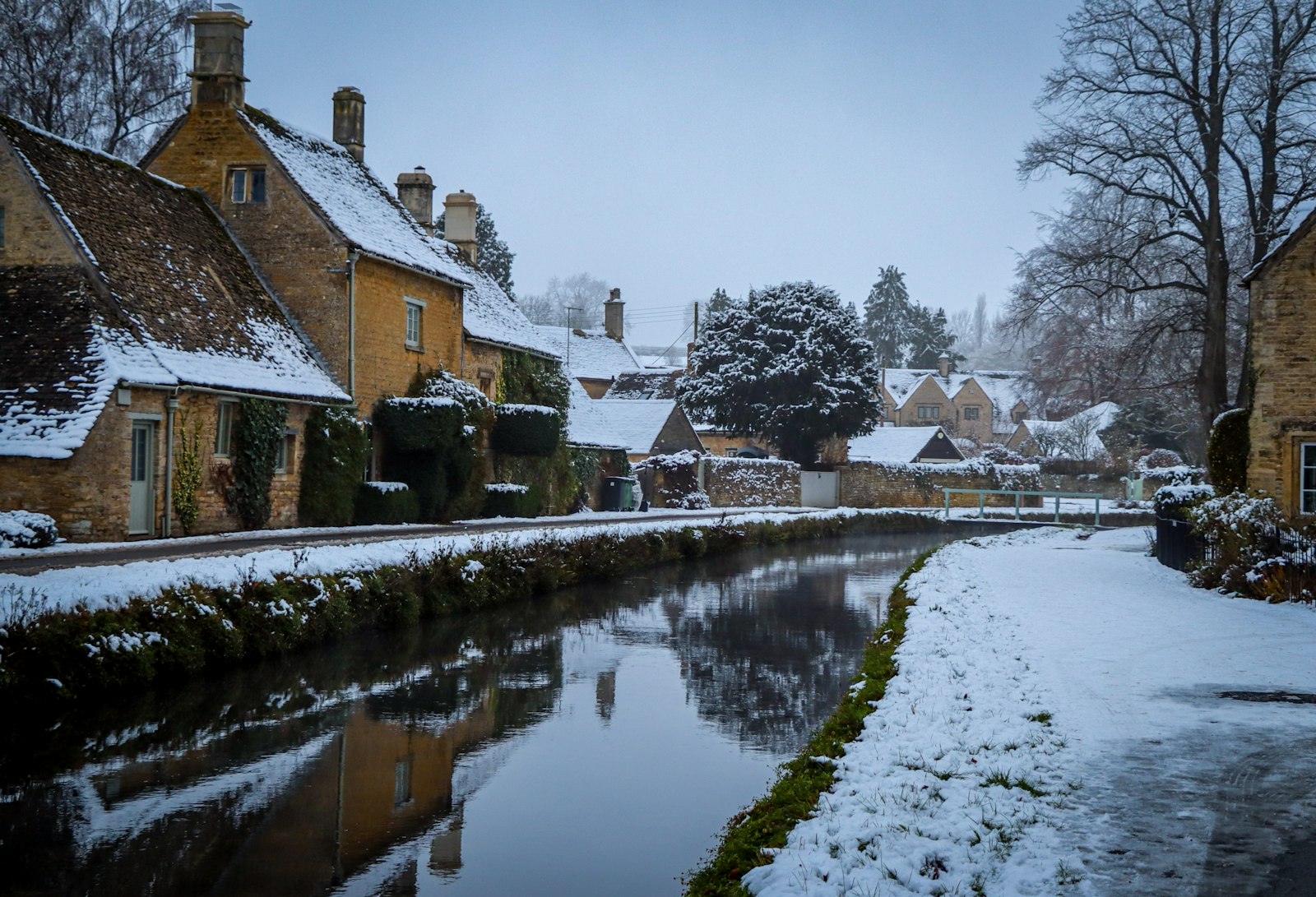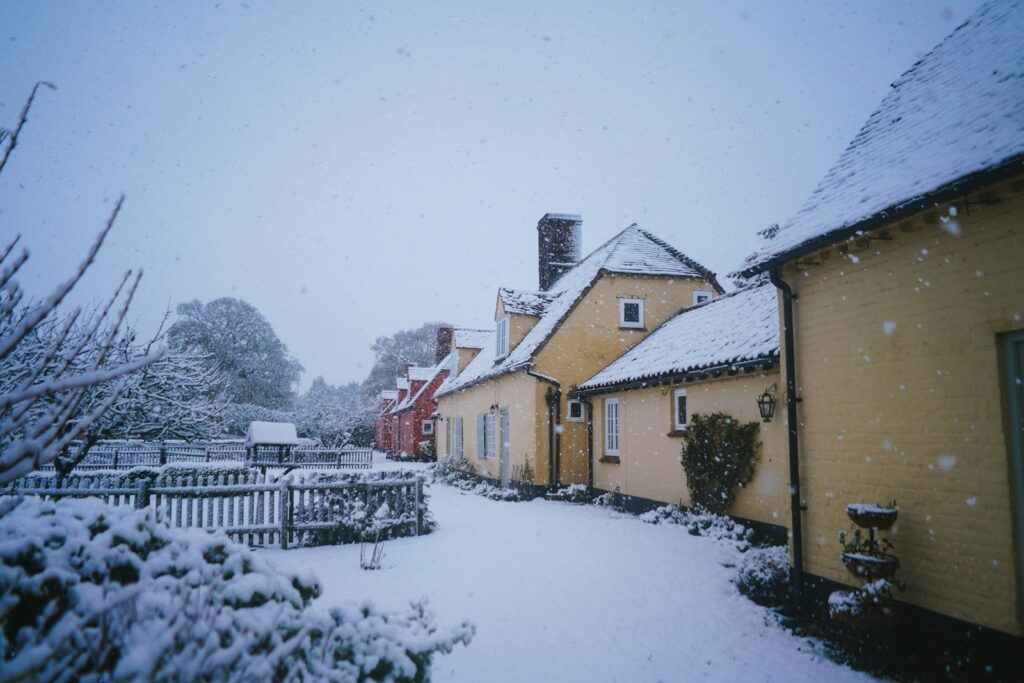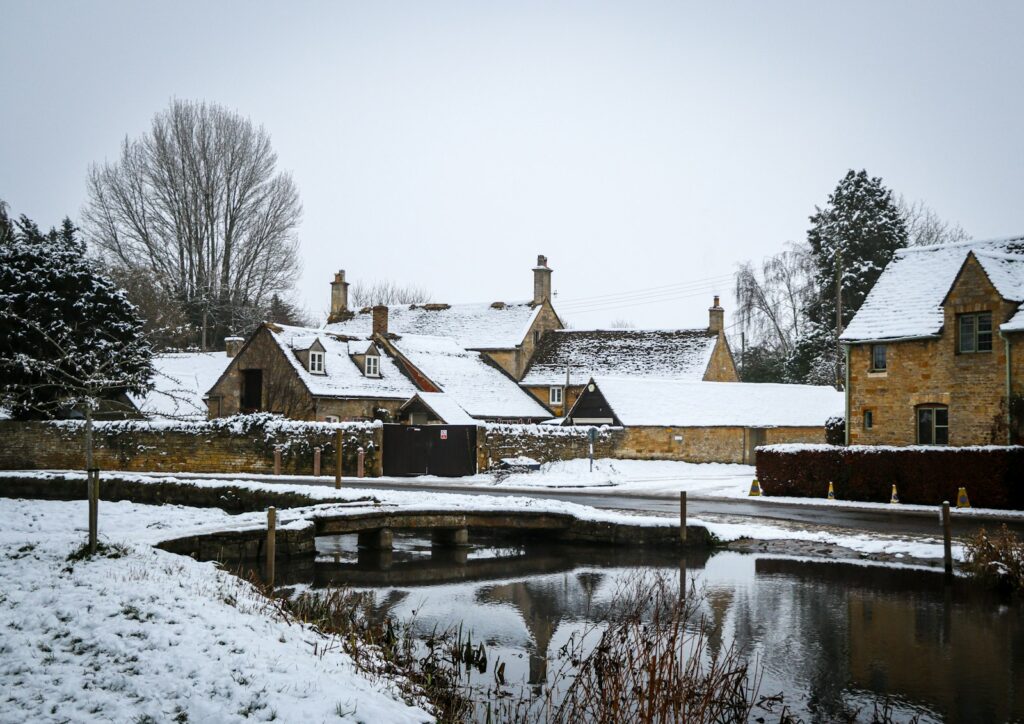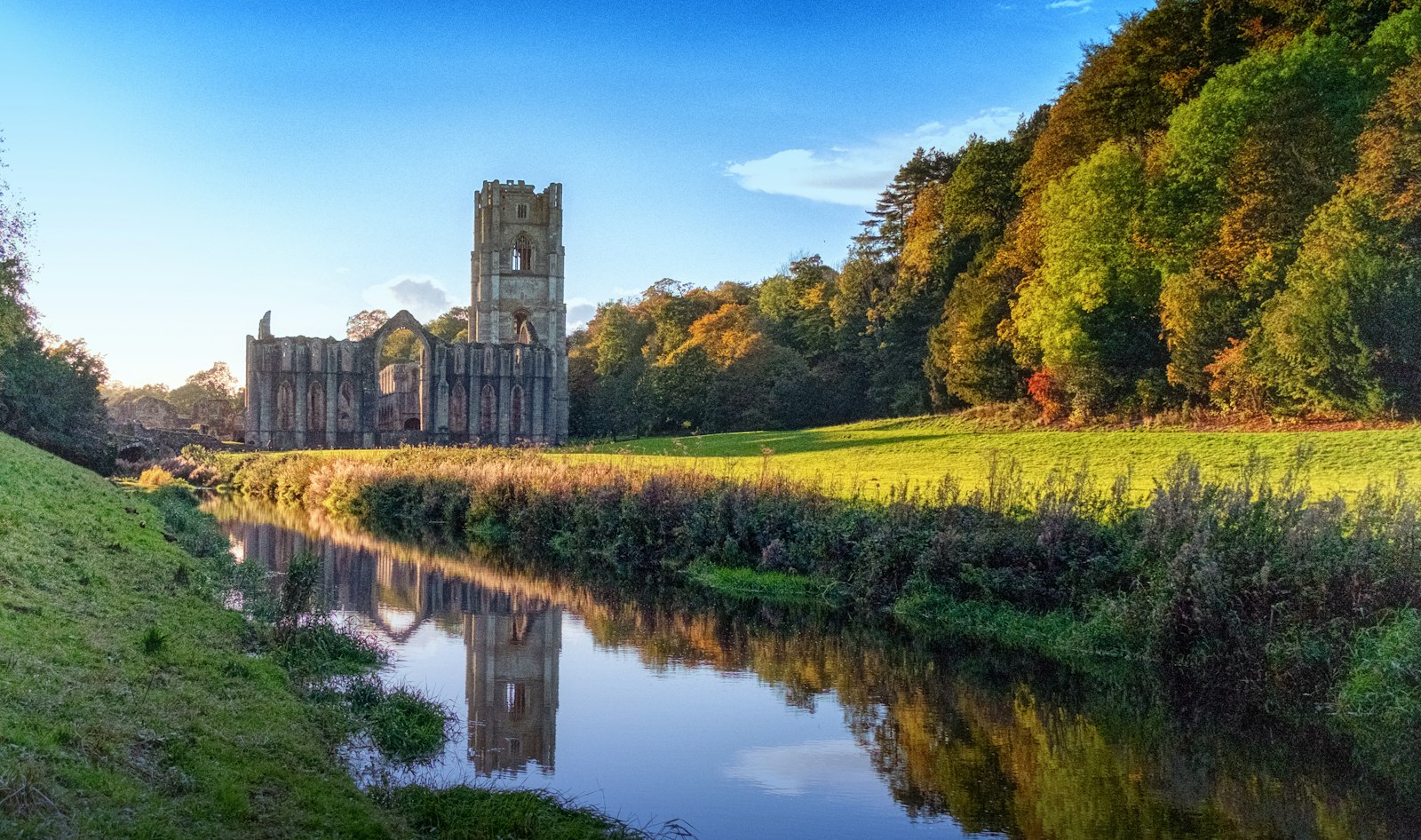
The Norfolk Broads reward the unhurried traveller: a world of reed-fringed rivers, white-sailed windmills and vast East Anglian skies, best explored at the gentle pace of a boat and finished each evening in a riverside country house.
Table of Contents
Why Go to the Norfolk Broads?
The Broads, spread across Norfolk and Suffolk, are Britain’s largest protected wetland, and the area has a status equivalent to a national park, looked after by the Broads Authority and now promoted as the Broads National Park. It is also the third largest inland navigation area in the country, with more than 125 miles of navigable waterways linking seven rivers and over 60 broads, the shallow lakes that give the region its name.
Those lakes began as medieval peat diggings that later flooded, and the fen, reedbed and marsh that grew around them now teem with wildlife. Add Norwich on the doorstep and the north Norfolk coast close by, and you have a quietly luxurious slow-travel escape.
This guide pairs with our Norfolk Broads Waterways Escape itinerary: four days of private boating, a riverside hotel with a spa, winter seals at Horsey, Norwich’s cathedral and medieval lanes, and Cromer crab by the sea.
The Highlights
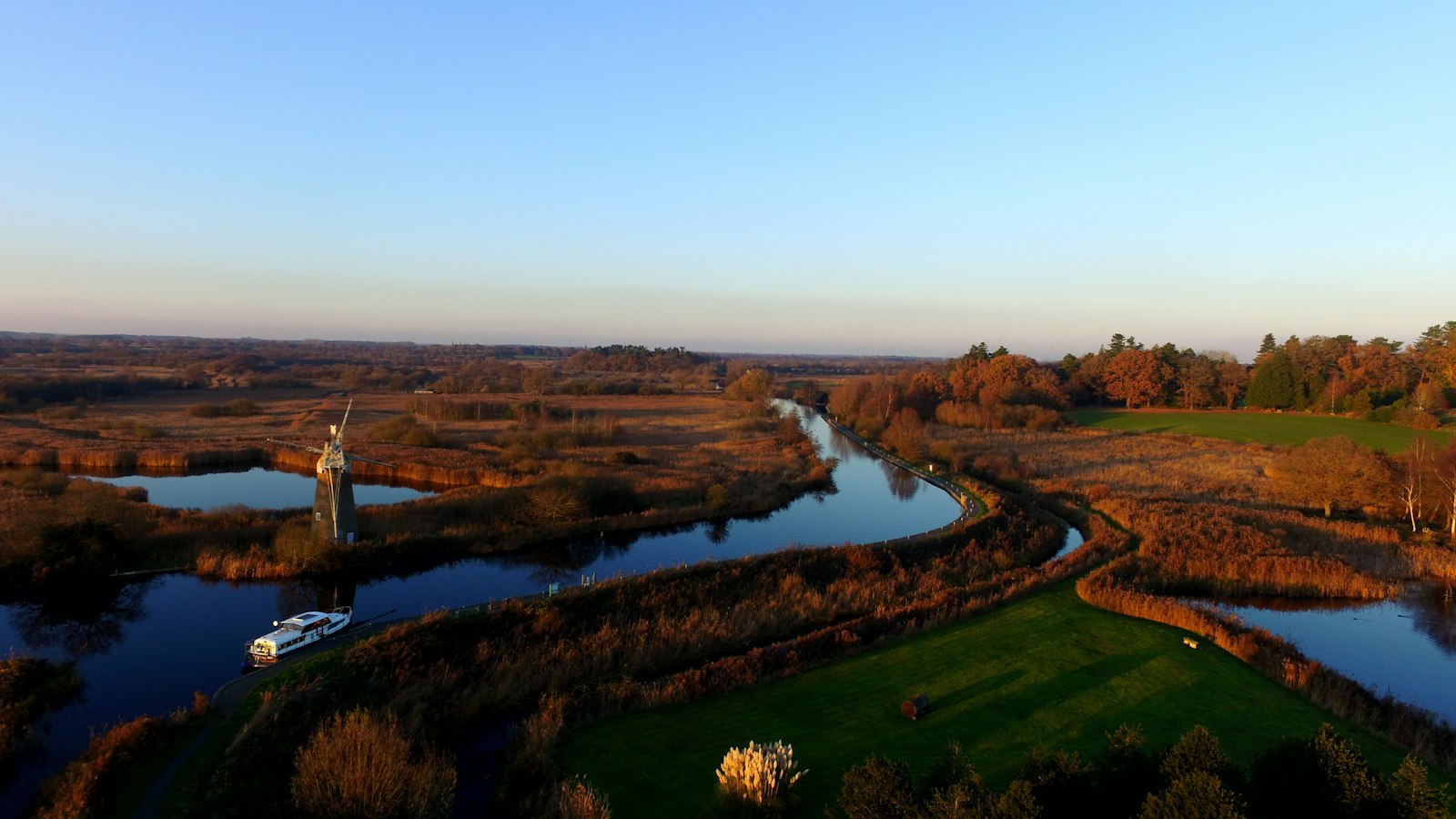
Horsey Windpump
Owned by the National Trust, Horsey Windpump is the most photographed silhouette on the Broads, standing above Horsey Mere close to the coast. When open, you can climb 61 steps across five floors for views over the marshes, and on some days step out onto the balcony, weather permitting. A small café serves cakes baked on site from April to October. Opening days are limited outside the main season and the windpump is generally closed in winter, so check the National Trust website before you go.
How Hill
On the River Ant near Ludham, How Hill is the Broads at their most serene. From the staithe, the little Electric Eel boat glides through narrow, reed-lined dykes on a gentle wildlife trip, running from April to October and bookable through Toad Hole Cottage, a tiny eel catcher’s cottage museum. A combined ticket also covers the walking trail.
Ranworth Broad and St Helen’s Church
Climb the tower of St Helen’s Church at Ranworth, often called the Cathedral of the Broads, for what many consider the finest view in the region: 89 steps, then two ladders and a trapdoor, and suddenly the whole Bure valley is spread beneath you, with several broads glinting in the distance. It is not for anyone nervous of heights. Below, a boardwalk winds through wet woodland to the Norfolk Wildlife Trust’s thatched floating visitor centre on Ranworth Broad, open in season.
Hickling Broad
Hickling Broad is the largest of all the broads, and the Norfolk Wildlife Trust reserve here is superb for birdwatching. Guided wildlife boat trips in season reach hides that can only be accessed from the water, and in early summer you may spot the swallowtail, Britain’s largest native butterfly. A good pair of compact birdwatching binoculars earns its place in the luggage.
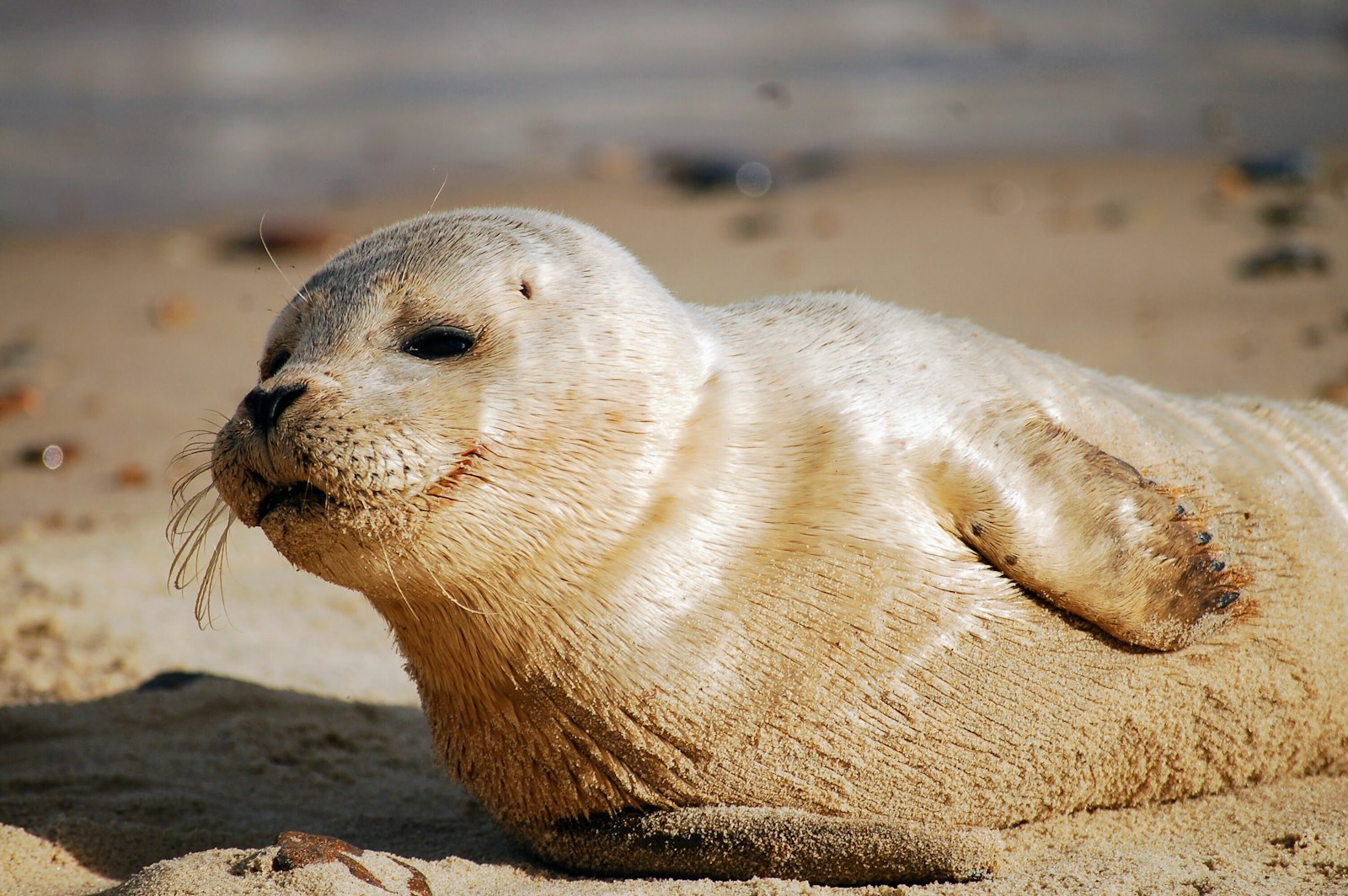
Grey Seals at Horsey in Winter
Every winter, the beach at Horsey Gap becomes a nursery for hundreds of grey seals. The Friends of Horsey Seals describe a breeding season of around twelve weeks, from November to January, with most pups born from mid-November to mid-December. It is one of the great British wildlife spectacles; see our etiquette notes below.
Norwich
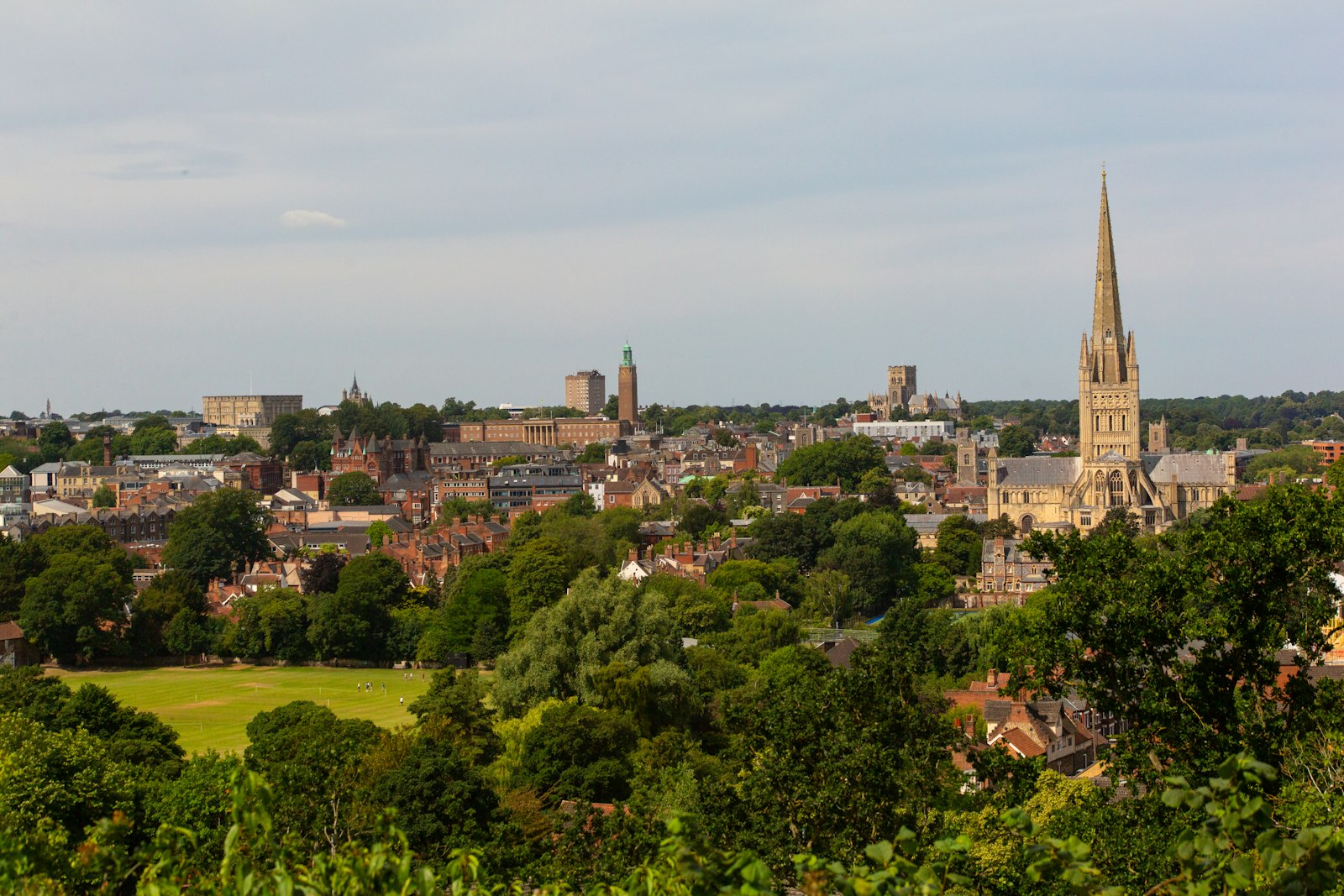
Norwich is one of England’s most rewarding small cities. Building of Norwich Cathedral began in 1096, and its spire is the second tallest in England after Salisbury. Entry is free, with donations welcomed. Beyond the cathedral close, lose yourself in the cobbled medieval lanes around Elm Hill and Tombland, or join a guided walking tour of medieval Norwich.
Cromer
On the north Norfolk coast, the Victorian resort of Cromer is famous for its sweet brown crab, caught off a chalk reef that is now protected as a Marine Conservation Zone. The main crab season runs from spring into early autumn, peaking in late spring and early summer. Eat a dressed crab on the seafront, then walk out along the pier.
Getting on the Water
The Broads are meant to be seen from a boat, and there are options for every level of confidence.
- Self-drive day boats: No experience is needed. Broads Tours, based by the bridge at Wroxham, hires day boats by the hour or the day, and the staff will show you the controls before you set off.
- River trips with commentary: Broads Tours also runs timetabled sightseeing cruises from Wroxham in season, with commentary and a bar on board, plus longer evening trips. It offers a discount to passengers arriving by public transport.
- Skippered and private charters: For something more exclusive, Wherry Yacht Charter offers skippered day charters with exclusive use of a historic wherry yacht for up to twelve guests, sailing from Wroxham.
- Wildlife trips: The Norfolk Wildlife Trust and the Broads Authority run small guided boat trips at Hickling, Ranworth and How Hill.
You can also compare Norfolk Broads boat trips and river cruises online before you travel.
Tip: Most boat trips and day-boat hire run from spring to autumn, with reduced or no service in winter. If you are visiting for the seals, plan your time on the water around a mild day and book ahead.
Where to Stay
The Norfolk Mead, Coltishall
Our first choice for a Broads stay, The Norfolk Mead is a handsome country-house hotel set in eight acres of grounds on the banks of the River Bure at Coltishall, a short drive from Norwich and Wroxham. It has seventeen bedrooms, two with their own hot tubs, a walled garden, a well-regarded restaurant and a spa offering a range of treatments, including what the hotel describes as the UK’s first beer spa.
The Assembly House, Norwich
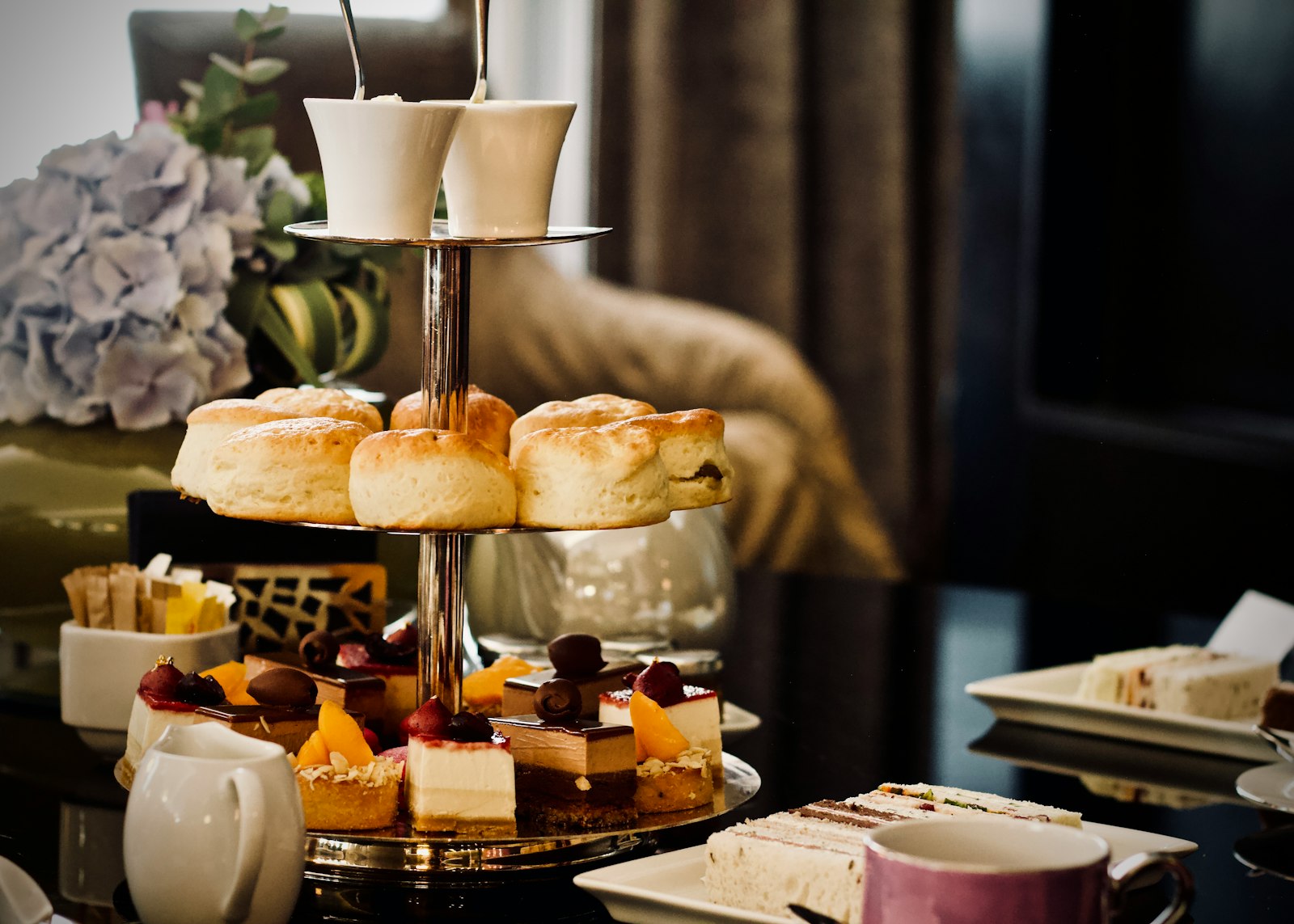
For a night in the city, The Assembly House occupies a Grade I listed Georgian building on Theatre Street, close to the market and the cathedral quarter. Its fifteen bedrooms are bright and individually designed, some with private gardens or lounges. It runs as a luxury bed and breakfast rather than a full-service hotel, but afternoon tea in the grand Georgian rooms is one of Norwich’s great treats.
The Sea Marge, Overstrand
To finish by the sea, The Sea Marge is an Edwardian clifftop mansion in the village of Overstrand, just along the coast from Cromer, with terraced gardens leading down towards the shore and wide views of the North Sea. It makes an easy base for a crab lunch in Cromer.
Affiliate-ready: Compare characterful hotels across the Norfolk Broads →
Practicalities
Getting there from London
Greater Anglia trains run from London Liverpool Street to Norwich, with the fastest services taking around an hour and a half and most journeys under two hours. From Norwich, the scenic Bittern Line runs hourly to Hoveton & Wroxham, the gateway to the northern Broads, and continues to Cromer and Sheringham. A car, or a private driver, makes Horsey, How Hill and Hickling far easier to reach.
When to go
- Late spring and early summer: Our favourite time, with birdsong in the reedbeds, swallowtails at Hickling and boat trips running.
- High summer: Lovely, but the rivers are at their busiest.
- November to January: Quiet, atmospheric and the season for the Horsey seals, though many boat services are reduced, and some attractions close.
Seal-watching etiquette at Horsey
The Friends of Horsey Seals, whose volunteer wardens patrol the dunes in season, ask visitors to follow some simple guidance:
- Do not walk on the beach at all during the breeding season. View from the dunes, and keep to the paths and the roped-off viewing areas.
- Keep dogs on leads at all times. A frightened seal can and will attack a dog.
- Keep your distance. Never come between a mother and her pup, or between a seal and the sea, and never try to take a close-up selfie.
- Ask the wardens, who wear yellow hi-vis vests, where the best viewing points are on the day.
The Horsey Gap car park fills quickly at weekends, and some viewing points are a half-hour walk away, so allow plenty of time.
For further reading before you go, a good Norfolk Broads guidebook with walking and boating maps is well worth packing.
A Four-Day Norfolk Broads Escape
Day 1: Arrive on the Bure
Take the train to Norwich and transfer to The Norfolk Mead. Settle in with afternoon tea by the river, book a spa treatment, and enjoy a slow dinner as the light fades over the water.
Day 2: A day afloat
Pick up a private day boat at Wroxham, or step aboard a skippered wherry, and cruise the Bure towards Ranworth. Moor up to climb St Helen’s tower and walk the boardwalk to the floating visitor centre, then drift home in the late afternoon.
Day 3: Windpumps and seals
Drive out to Horsey. In season, visit the windpump and walk the marshes; in winter, head to Horsey Gap to watch the grey seals from the dunes. Stop at How Hill or Hickling on the way back for an hour among the reedbeds.
Day 4: Norwich and the coast
Spend the morning at Norwich Cathedral and in the medieval lanes around Elm Hill, then head north to Cromer for a crab lunch and a walk along the pier. Stay on at The Sea Marge if you can spare another night.
FAQs
Is the Norfolk Broads a national park?
The Broads have a status equivalent to a national park and are managed by the Broads Authority, which promotes the area as the Broads National Park. It is Britain’s largest protected wetland.
Do I need boating experience to hire a day boat?
No. Day-boat operators such as Broads Tours give a short handover before you set off, and the rivers are slow and sheltered. If you would rather relax, choose a skippered charter or a timetabled river trip.
When can I see the seals at Horsey?
The grey seal breeding season runs from November to January, with most pups born between mid-November and mid-December. View only from the dunes and the roped-off areas, and keep dogs on leads.
Let Us Plan Your Broads Escape
Tell us your dates and we will design an unhurried Norfolk Broads journey, with private boats, riverside hotels, seal-watching and Norwich all seamlessly arranged.