
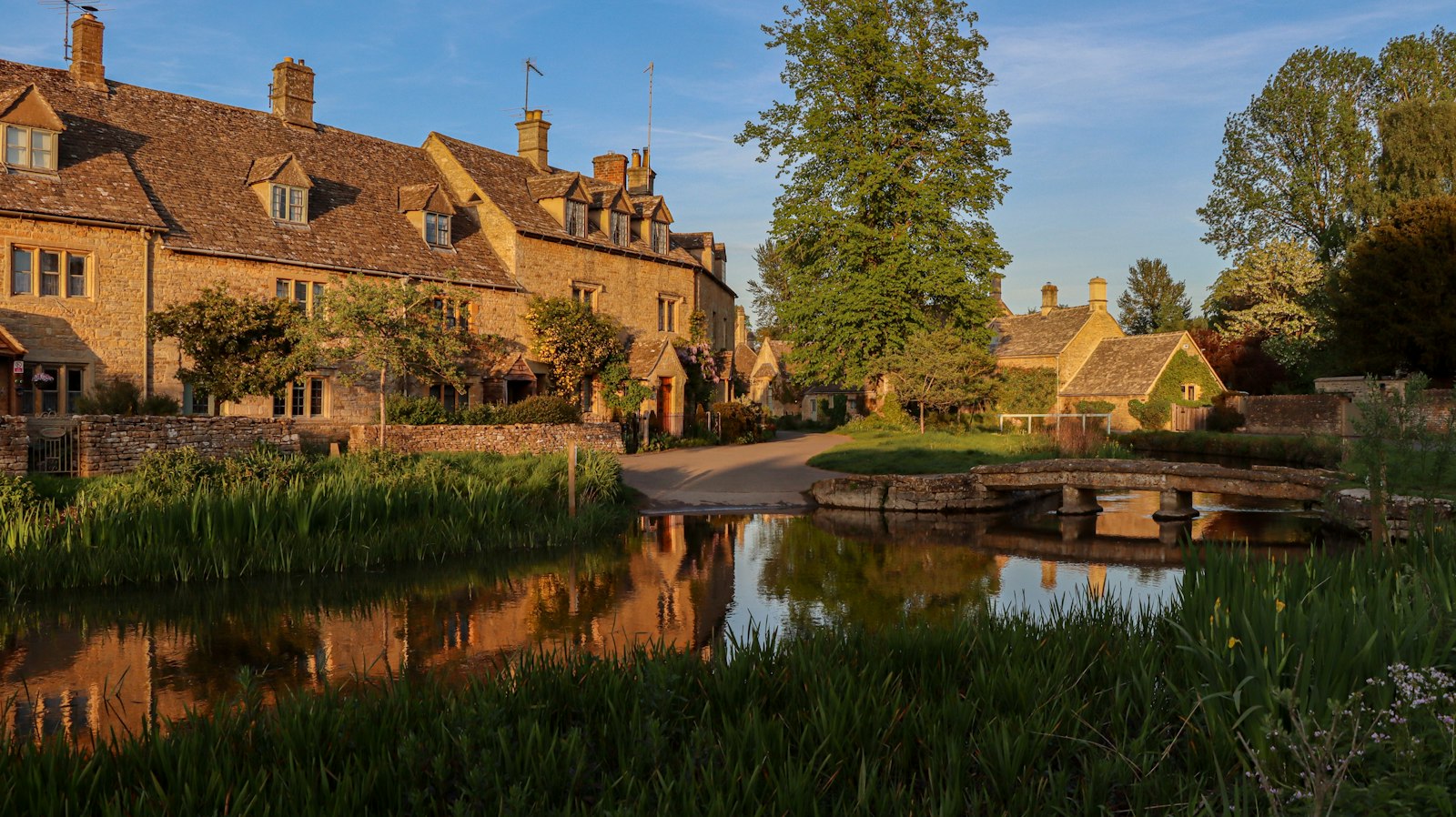
Places Less Visited: the quiet waterways behind the honey-stone villages, and a slower way to see the Cotswolds.
Table of Contents
The Cotswolds You Don’t Expect
Traditionally, when we think of the Cotswolds, we picture honey- and butter-coloured buildings set around village greens. However, we don't usually associate this area with a network of canals. In fact, they were created in the late 1700s to carry goods and coal before railways existed. By contrast, the first public steam railway in Britain opened in 1825 and ran in the north, far from the Cotswolds.
The Cotswold canals first started life in 1730, when the first Act of Parliament for the Stroudwater Navigation was passed, and at one stage, during a court battle with local landowners and millers in the 1770s, each side had poems written to try and persuade the justices.
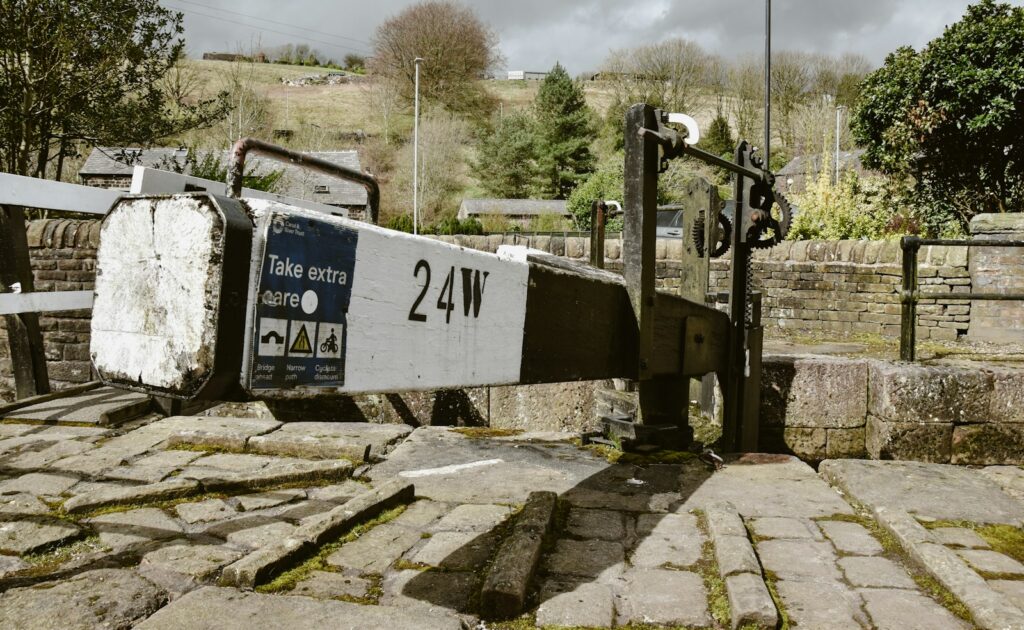
Bringing the Canals Back to Life
The canals link two of England’s major rivers, the Severn and the Thames, and had fallen into disuse or had been filled in. Restoration has been under way for many years, led by the Cotswold Canals Trust and its partners, with the goal to “restore the Cotswold Canals to full navigation in the interests of conservation, biodiversity and local quality of life, and to use the restoration as a catalyst for wider social, economic and environmental regeneration in areas neighbouring the canals”.
Work has now begun on the “Missing Mile”, the stretch that will reconnect the canals to the national waterway network at Saul Junction. The link to the national network is expected to open towards the end of this decade, around the 250th anniversary of the Stroudwater Navigation in 2029.
Walking the Towpath
The canals are around 36 miles in length and there is a partial footpath for walkers, with towns and villages along the way to partake of food and beverages together with a good night’s sleep.
- Stroud: The best base for the restored western sections, with locks, mills and towpath cafés.
- Saul Junction: Where the Stroudwater meets the Gloucester and Sharpness Canal, and where the Missing Mile will join up.
- Lechlade and Inglesham: The eastern end, where the canal meets the Thames.
Tip: Some sections are still under restoration and parts of the towpath are not continuous, so check the Cotswold Canals Trust website before planning a long walk.
Where to Stay Nearby
While the Cotswolds are pretty, the canal adds another dimension to the area, bringing to life the intimate and changing history in one of England’s most beautiful areas. For a comfortable base near Stroud, see The Painswick and our other picks in 10 Boutique Hotels in the Cotswolds.
Explore the Quieter Cotswolds
Tell us your dates and interests, and we’ll pair the famous villages with the places most visitors miss.
Leave a Reply