Category: Hotels

  • Castle Stays in Scotland: Living Like Royalty

    Castle Stays in Scotland: Living Like Royalty

    Turrets, tapestries, roaring fires, and the easy grace of Scottish hospitality, woven into every stay.

    Why Choose a Castle Stay?

    Staying in a Scottish castle isn’t just a tick-box, it’s a feeling. Stone steps polished by centuries, portraits whose eyes seem to follow, the hush of a library after dinner. Modern castle hotels blend this romance with comforts that make you exhale: four-poster beds, deep baths, quietly excellent service, and kitchens that celebrate Scotland’s larder. It’s immersive, evocative, and wonderfully restorative.
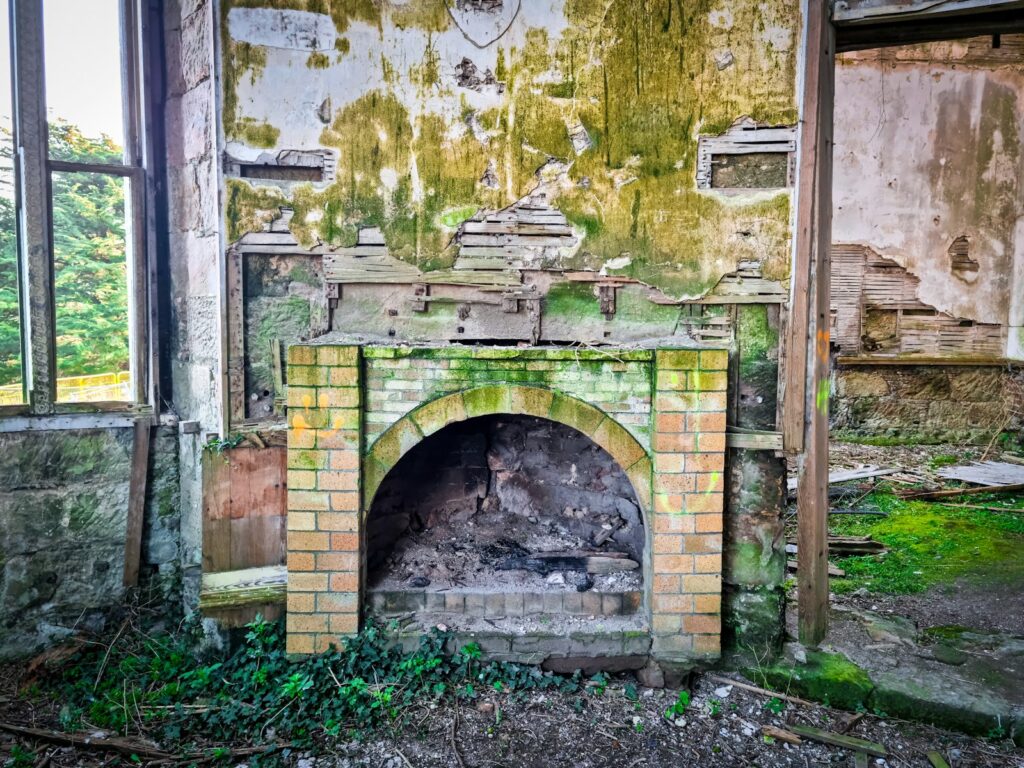
    Stone fireplace in the interior of a Scottish castle
    Firelight, a dram, and stories older than the beams overhead. Photo: Johnny Briggs / Unsplash

    Grand Castle Hotels (Full-Service)

    These storied addresses deliver the full country-house experience, fine dining, activities on the estate, and staff who make everything feel effortless. (Availability, dining formats, and amenities evolve, always check the latest details when you book.)

    • Inverlochy Castle (near Fort William), mountain-ringed romance at the foot of Ben Nevis; white-glove dining and tranquil lounges.
    • Glenapp Castle (Ayrshire), walled gardens, sea views, and boat trips to Ailsa Craig; a joy for nature lovers.
    • Crossbasket Castle (near Glasgow), lovingly restored grandeur, with Trocadero’s restaurant overseen by Michel Roux Jr, and riverside walks.
    • Dalhousie Castle (Bonnyrigg), spa, falconry, and a dungeon-set dining room just outside Edinburgh, freshly restored after a £6m refurbishment completed in 2026.
    • Fonab Castle (Pitlochry), a setting on Loch Faskally, contemporary touches, and a strong spa and dining scene.
    • Dornoch Castle (Sutherland), atmospheric rooms near a soaring cathedral; excellent whisky bar.
    • Barcaldine Castle (Argyll), intimate “Black Castle” with loch and hill views; perfect for quiet escapes.
    • Stonefield Castle (Knapdale), Victorian baronial charm and gardens tumbling to Loch Fyne.

    Private-Hire & Exclusive-Use Castles

    For celebrations and family gatherings, exclusive-use castles turn a trip into a legend. Think candlelit banquets, lawn games, and a house entirely to yourselves, with a butler to top up the Champagne.

    • Borthwick Castle (near Edinburgh), a 15th-century fortress with towering great hall; ideal for intimate groups.
    • Dundas Castle (South Queensferry), private estate minutes from the capital; polished events and serene rooms.
    • Skibo Castle (Carnegie Club, memberships), for the truly private escape; manicured grounds and legendary hospitality.
    • Aldourie Castle (Loch Ness), a restored exclusive-use castle for around 24 guests, with its own boathouse on the loch.
    • Ardross Castle (Easter Ross), the castle made famous by The Traitors, available for exclusive hire; ask about overnight stays.

    Note: Many exclusive-use properties require multi-night minimums and curated F&B, perfect for milestone birthdays and weddings.

    Stand-Out Suites & Rooms

    • The Queen’s Suite at Inverlochy Castle, named for Queen Victoria’s 1873 visit, a romantic retreat with garden views and generous proportions.
    • Grand Sea View Suites at Glenapp Castle, looking out to Ailsa Craig and Arran, with sea-air freshness and classic fabrics.
    • Castle Suites and Four-Poster Rooms at Dalhousie Castle, four-posters and stone embrasures for full medieval drama.
    • Castle Rooms and Lodges at Fonab Castle, traditional castle rooms or contemporary lodges by the loch.
    • The Breadalbane Room at Barcaldine Castle, with a four-poster bed made for Andrew Carnegie’s Skibo Castle.

    Signature Experiences

    • Falconry & Archery: Try your hand on the lawn with expert handlers.
    • Ghillie-led Fishing & Highland Walks: Estate guides share lore and the best quiet corners.
    • Boat Safaris: From Glenapp, trips out to the island of Ailsa Craig, weather allowing.
    • Whisky Evenings: Private tastings in a panelled library, Speyside sherry bombs to West-coast peat.
    • Castle Kitchens: From tasting menus to classic roast lunches; some offer foraging walks with the chef.

    When to Go

    May–September brings long evenings and garden colour; April and October mean softer light and calmer roads. Winter is glorious for fireside lounging and value, though daylight is brief and weather lively, perfect for a cocooning weekend with spa time and long lunches.

    Getting There & Getting Around

    • By rail: Edinburgh and Glasgow are excellent gateways; private transfers or a driver-guide complete the journey.
    • By car: If self-driving, we’ll map scenic routes (Glencoe, Cairngorms, the Argyll coast) and arrange effortless parking.
    • Driver-guides: Keep the mood easy, no single malts for the driver and no navigating for you.

    A 7-Day Castle Trail

    Day 1, Edinburgh Arrival → Dalhousie Castle

    Land in Edinburgh, then a short transfer to Dalhousie Castle. Drop your bags, book the spa, and walk the grounds before a candlelit dinner.

    Day 2, Whisky & Walls

    Morning archery or falconry; after lunch, a private tasting in the library. Optional half-day into the city for galleries and a dram on the Royal Mile.

    Day 3, North to the Highlands → Inverlochy Castle

    Scenic transfer via Stirling and Glencoe to Inverlochy Castle. Pause for photos in the pass. Dinner is white-tablecloth perfection.

    Day 4, Glen Nevis or Road to the Isles

    Choose a gentle glen walk with a guide or a coastal drive to Arisaig and silver-sand beaches. Return to the drawing room for tea and scones.

    Day 5, Perthshire Pause → Fonab Castle

    Roll east to Fonab Castle near Pitlochry. Spa, a stroll around Loch Faskally, and dinner at the 1892 Grill.

    Days 6 and 7, Ayrshire Finale → Glenapp Castle

    Allow most of the day for the drive south-west to Glenapp Castle, and stay two nights so there is time for a sea safari to Ailsa Craig (weather allowing). Toast the sunset over the Firth of Clyde before heading home via Glasgow.

    Design My Castle Journey

    Tell us your dates and style, romantic hideaway, family celebration, or friends’ house-party, and we’ll secure rooms, experiences, and elegant transfers.

    Packing, Dress & Etiquette

    • Smart-casual by day; many guests enjoy dressing up for dinner (jackets welcome, not mandatory).
    • Layers and waterproofs for gardens and coastal walks.
    • Leave space for souvenirs, castle shops and local makers are tempting.
    • Gratuities: discreet envelopes or at-table; we can advise customary amounts per property.

    FAQs

    How far in advance should I book?

    Peak summer and festive periods can sell out months ahead; shoulder seasons offer more flexibility and a beautiful light.

    Are castles suitable for families?

    Yes, many offer interconnecting rooms and lawn activities. For exclusive-use, we’ll tailor menus and timings around little ones.

    Can you accommodate accessibility needs?

    Historic buildings vary, tell us your requirements and we’ll match you with lifts, ground-floor rooms, and accessible paths.

    Is there a minimum stay?

    Some exclusive-use castles require 2–3 nights; most hotel-style castles are flexible. We’ll optimise stays for your route.
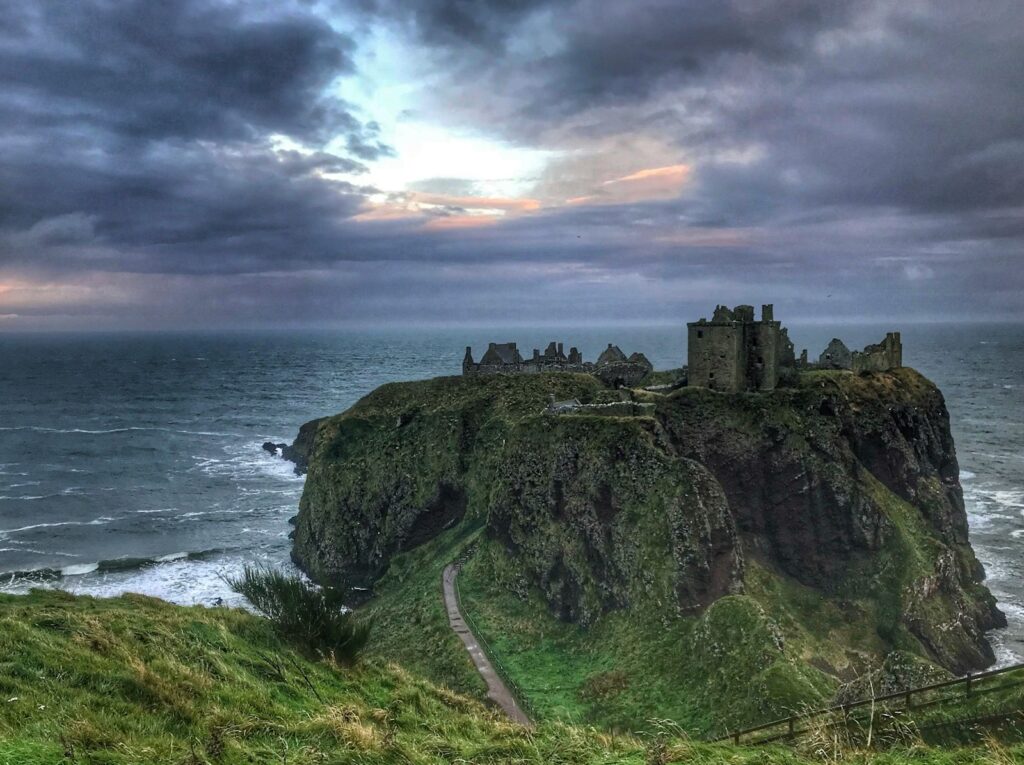
    Dunnottar Castle on its clifftop above the North Sea, Aberdeenshire
    Golden hour from the ramparts, Scotland wears twilight well. Photo: John Roberts / Unsplash
  • 5 Haunted Castles You Can Sleep In

    5 Haunted Castles You Can Sleep In

    Five castle hotels across England, Scotland and Wales where a four-poster, a fine dinner and a centuries-old ghost story all come with the room key.

    Why Sleep in a Haunted Castle?

    There is something irresistible about turning in for the night behind walls that have seen sieges, scandals and royal visits. Britain’s castle hotels lean happily into their legends: a grey lady on the stair, a sobbing figure at a window, a tragic bride at the bottom of a well. Whether you believe a word of it or not, the stories add a delicious frisson to a stay that is, above all, deeply comfortable. Think log fires, candlelit dining rooms and bedrooms with stone window seats, rather than anything that truly goes bump in the night.

    Every tale below is presented as it is told locally: as legend, not history. The castles themselves, however, are very real, and every one is a working hotel you can book.

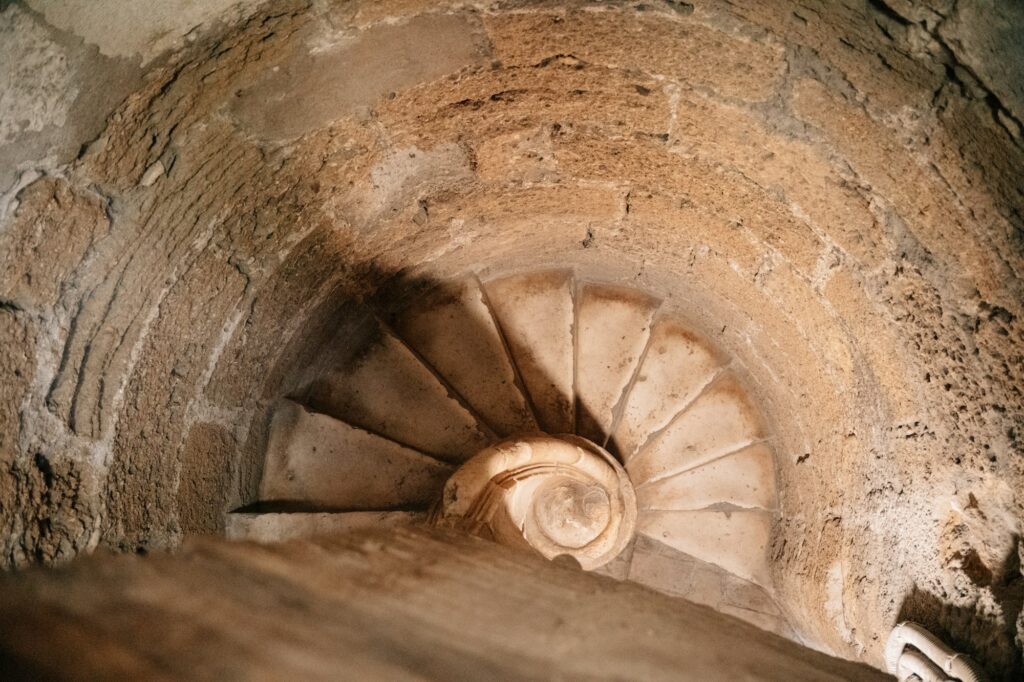
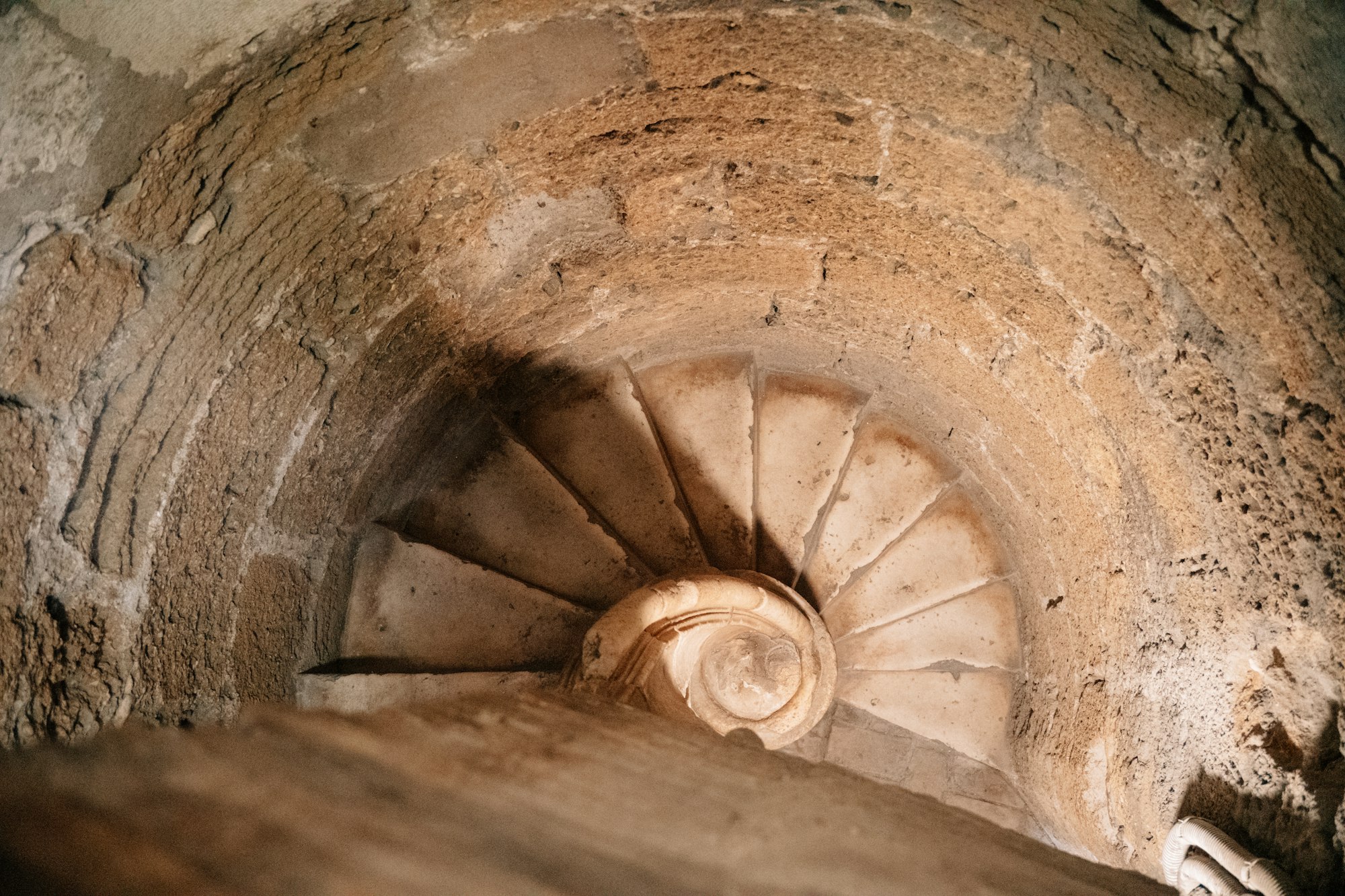
    A worn spiral stone staircase winding down inside an old building, lit by warm light
    Stone stairs, flickering light and a story waiting around every corner. Photo: Maryam Tello / Unsplash

    1. Lumley Castle, County Durham

    Where: Chester-le-Street, a short drive north of Durham.

    The legend

    The story goes that Lily, said to be the first wife of Sir Ralph Lumley, the castle’s builder, refused to give up her faith and was thrown down a well in the grounds by two priests, who then told her husband she had gone to a nunnery. Her ghost, known as the Lily of Lumley, is said to rise from the well and drift through the corridors. Historians point out that there is no record of Sir Ralph ever marrying a Lily, which has never troubled the legend one bit. Lumley’s ghostly reputation reached the sports pages in 2005, when members of the touring Australian cricket team reportedly asked to share rooms after a spooked night here.

    Why it’s a great stay

    Lumley is a proper medieval quadrangular castle, theatrical and atmospheric, yet relaxed and good value compared with many castle hotels. The hotel hosts Elizabethan banquets on selected evenings, and there has been a Lily of Lumley escape room in the old beer cellar, run by Escape Rooms Durham, for those who want to play detective with the legend itself.

    Rooms to ask for

    Rooms come in Classic, Superior and State categories, split between the castle itself and the courtyard. For the full ghost-story effect, ask for a room in the castle rather than the courtyard, and a State Room if you want the grandest proportions.

    2. Langley Castle, Northumberland

    Where: Langley-on-Tyne, near Hexham, within easy reach of Hadrian’s Wall.

    The legend

    Langley was built around 1350 for Sir Thomas de Lucy, gutted by fire in the early 1400s, and left a ruin until Cadwallader Bates began restoring it in the 1880s, a project his widow Josephine completed in the early twentieth century. Its resident spirit is a Grey Lady, said to appear sobbing before running to a window and leaping from it. For years she was believed to be Maud de Lucy, but in 2020 hotel staff researching the de Lucy family tree suggested she might instead be Agnes, Maud’s stepmother. Mistaken identity, it seems, can follow you into the afterlife.

    Why it’s a great stay

    This is an intimate fortified tower house with a cosy bar and restaurant, and wonderful Northumberland countryside all around. It makes a superb base for walking the most dramatic stretches of Hadrian’s Wall by day before retreating to the fire.

    Rooms to ask for

    Book a Castle Room inside the medieval tower: the hotel describes them as having deep window seats and four-poster beds. The Castle View rooms, as the name suggests, look onto the castle and are the family and dog-friendly option.

    3. Thornbury Castle, Gloucestershire

    Where: Thornbury, north of Bristol, an easy run from Bath and the Cotswolds.

    The legend

    Thornbury was built in the early sixteenth century for Edward Stafford, 3rd Duke of Buckingham, whose wealth rivalled the king’s. It did not end well: Henry VIII had him executed for treason in 1521 and took the castle for himself, later staying here with Anne Boleyn in 1535. The ghost most often linked with Thornbury, however, is Jasper Tudor, uncle of Henry VII, who died at his manor of Thornbury in 1495 and whose spirit, the story goes, still wanders the castle after dark. Other tales speak of a lady whose footsteps echo through the corridors.

    Why it’s a great stay

    Of our five, this is the most polished: a Relais & Châteaux hotel with historic gardens, a vineyard within the walls and a celebrated restaurant. It is perfect for a romantic weekend with a whisper of the macabre, and pairs beautifully with our favourite Cotswolds boutique hotels for a longer trip.

    Rooms to ask for

    History lovers should request the Duke’s Bedchamber, which the hotel says is the room Henry VIII and Anne Boleyn shared. Thornbury calls its rooms “bedchambers”, and many have four-posters and open fireplaces, so ask when booking.

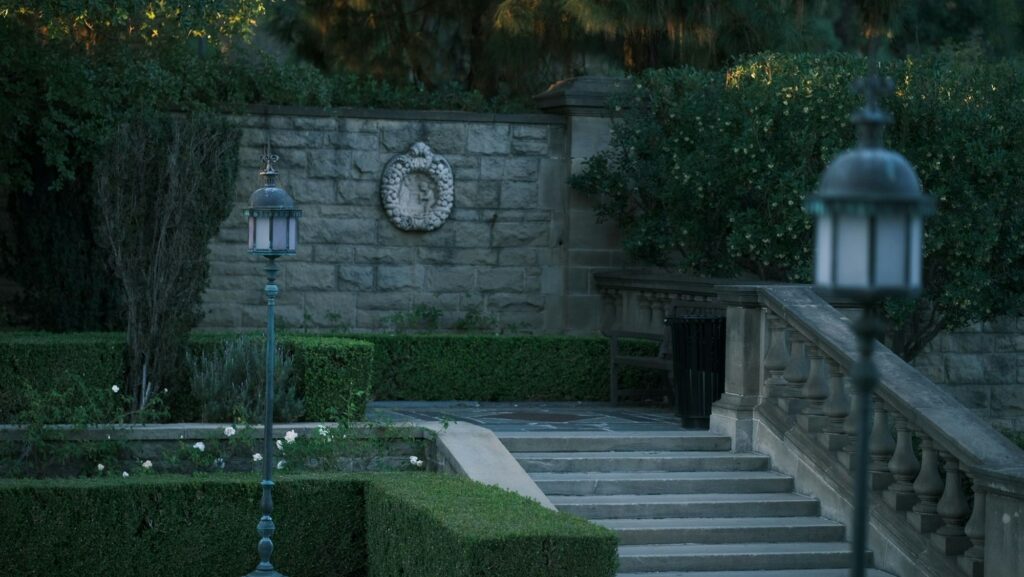
    Stone steps, clipped hedges and lit lanterns in a formal walled garden at dusk
    Thornbury’s gardens and oriel windows glow at dusk. Photo: Xnm Wu / Unsplash

    4. Ruthin Castle, Denbighshire, Wales

    Where: The market town of Ruthin in the Vale of Clwyd, North Wales.

    The legend

    Ruthin’s story begins in the late thirteenth century, when Edward I granted the lordship to Reginald de Grey, and it was a later de Grey’s feud with Owain Glyndŵr that sparked Glyndŵr’s attack on the town in 1400. The castle’s famous ghost is the Grey Lady. The story goes that she was the wife of the castle’s second in command who, discovering her husband’s affair with a local woman, killed her rival with an axe. She was executed for the crime and, denied burial in consecrated ground, laid to rest just outside the castle walls, where a grave is still pointed out. Her shade is said to walk the battlements and grounds.

    Why it’s a great stay

    Ruthin mixes medieval ruins and Victorian grandeur in extensive grounds with woodland and a self-guided history trail of information boards. The spa, set in the castle’s former moat, has woodland hot tubs, and the hotel runs medieval evenings, ideal for leaning into the theme.

    Rooms to ask for

    Categories run from Standard and Deluxe rooms to Suites and individually styled Feature Rooms, with the Prince of Wales Suite at the top. A Feature Room is the sweet spot for character.

    5. Dalhousie Castle, Midlothian, Scotland

    Where: Bonnyrigg, just south of Edinburgh.

    The legend

    Dalhousie’s Grey Lady is said to be Lady Catherine, a young member of the Ramsay family who, the story goes, was confined to a tower and died there after falling for a man the family considered unsuitable. Versions differ on the century and the details, but she is said to haunt the stairs, corridors and turrets, and has supposedly turned up in a wedding photograph or two.

    Why it’s a great stay

    Restored after a £6m refurbishment completed in 2026, Dalhousie now has a candlelit Dungeon Restaurant serving a tasting menu, falconry in the grounds and a spa. We cover it in more depth, alongside other Scottish favourites, in our guide to castle stays in Scotland. Combine it with an evening ghost tour of Edinburgh’s Old Town for a properly spine-tingling weekend.

    Tips for a Ghost-Themed Castle Break

    • Ask for the old part of the building. Many castle hotels have modern wings or courtyard rooms. If atmosphere is the point, request a room in the original castle when you book, and confirm it in writing.
    • Talk to the staff. Night porters and long-serving team members often have the best stories, and most are delighted to share them over a nightcap.
    • Time it for autumn and winter. Long, dark evenings and roaring fires suit a ghost-story break perfectly. Halloween weekends book up early, so plan ahead.
    • Look out for themed events. Banquets, murder mystery dinners and medieval evenings run at several of these castles on selected dates. Check each hotel’s events page before you travel.
    • Pack for old buildings. Spiral stairs and uneven floors are part of the charm, so bring soft-soled shoes, a warm layer and a small pocket torch for moonlit walks in the grounds.
    • Bring a bedtime read. A collection of classic British ghost stories is the perfect companion for a night in a four-poster.

    Tip: If you are travelling with a nervous partner or children, tell the hotel when you book. Staff can steer you towards a cosy room away from the most storied corners, or towards them, if that is the plan.

    A Haunted Castle Road Trip

    For the full experience, link two or three castles into a week. Begin at Dalhousie with an Edinburgh ghost walk, then head south to Langley for Hadrian’s Wall and Northumberland’s big skies. Continue to Lumley, pausing for Durham’s cathedral, before crossing the Pennines and heading for North Wales and Ruthin. Finish in style at Thornbury, within easy reach of Bath and Bristol for the journey home.

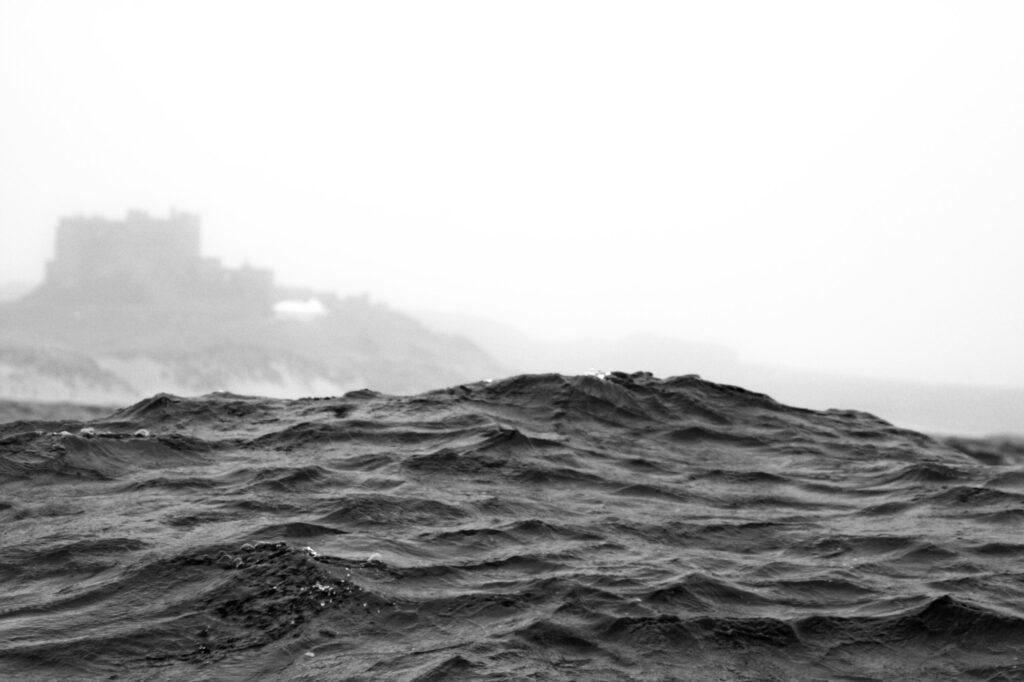
    Bamburgh Castle half hidden in sea mist beyond rolling waves, seen from a boat off the Northumberland coast
    Northumberland mist, perfect weather for ghost stories. Photo: Dave Clubb / Unsplash

    FAQs

    Are these castles really haunted?

    That depends on whom you ask. The stories are long-standing local legends, and many have little or no basis in the historical record, but they are part of each castle’s character and great fun to hear on a dark evening.

    Can I book a specific “haunted” room?

    Some hotels will note a room request, such as a room in the original castle or a named bedchamber like Thornbury’s Duke’s Bedchamber, but specific rooms are rarely guaranteed. Call the hotel after booking to confirm.

    Do these castles run ghost hunts?

    Offerings change from year to year. Some host themed events, banquets or escape rooms, while others prefer to let the legends speak for themselves. Check each hotel’s events calendar before you go.

    When is the best time to visit?

    October to February brings the moodiest atmosphere, with long nights and firelit lounges. Spring and summer are lovely for gardens and walks, and the stories are just as good in daylight.

    Plan Your Haunted Castle Escape

    Tell us your dates and how brave you are feeling, and we will design a castle journey with the right rooms, the best stories and seamless travel between them.

  • Bath in Style: A Luxury Spa City Weekend

    Bath in Style: A Luxury Spa City Weekend

    Bath sits on Britain’s only naturally hot, mineral-rich springs, and a long weekend here, spent between thermal pools, Georgian crescents and very good dinners, is one of the most civilised escapes in the country.

    Why Bath for a Luxury Weekend?

    The Romans built a temple and bathing complex around Bath’s hot spring; the Georgians turned the town into England’s most fashionable resort, laying out the honey-coloured crescents that make the whole city a UNESCO World Heritage Site. Today you can still bathe in that mineral-rich water, then take afternoon tea where Georgian society gathered to drink it.

    Bath is compact, its hotels are genuinely special, and the train from London is quick. This guide focuses on the spa city itself: wellness, architecture, museums and dining. If it is Regency romance and filming locations you are after, see our separate Bridgerton guide to Regency Bath.

    Taking the Waters: Bath’s Thermal Spas

    Thermae Bath Spa

    Thermae Bath Spa describes itself as Britain’s original natural thermal spa, and the experience lives up to the billing. In the main building, the New Royal Bath, you move between an indoor thermal pool, a Wellness Suite of steam rooms and saunas, and the highlight: the open-air rooftop pool, where you float in warm spring water with views across the city. Go after dark in winter, when steam drifts off the water.

    Practical points worth knowing:

    • Age: The spa is adults only, with a minimum age of 16, and 18 for treatments. Bring proof of age.
    • Booking: Spa sessions can be taken on the day, subject to availability, and a limited number of slots can be pre-booked. Treatments must be booked in advance with a spa session. Weekends are busy, so arrive early or pre-book where you can.
    • Hours: The main spa generally opens from 9am to 9.30pm, with the pools closing a little earlier. It closes on Christmas Day, Boxing Day and New Year’s Day.

    Tip: For the calmest rooftop swim, avoid Saturday afternoons and aim for a weekday morning or a late evening session.

    Across the street, the small, open-air Cross Bath is part of the same spa and can be booked for swim sessions or exclusive use, a lovely private option for two.

    Spa Village Bath at The Gainsborough

    For a more exclusive soak, Spa Village Bath at The Gainsborough Bath Spa is built around the city’s natural thermal water. Its Bath House holds three thermal baths at different temperatures, alongside saunas, a steam room and an ice alcove, beneath a soaring glass roof. Hotel guests can use the Bath House during designated in-house bathing hours, and non-residents can book spa days. The hotel says its spa rooms are the only guest rooms in the United Kingdom with thermal water piped into the bathroom, which makes them a rather special indulgence. Children under 16 are not permitted in the spa.

    The Roman Baths and the Pump Room

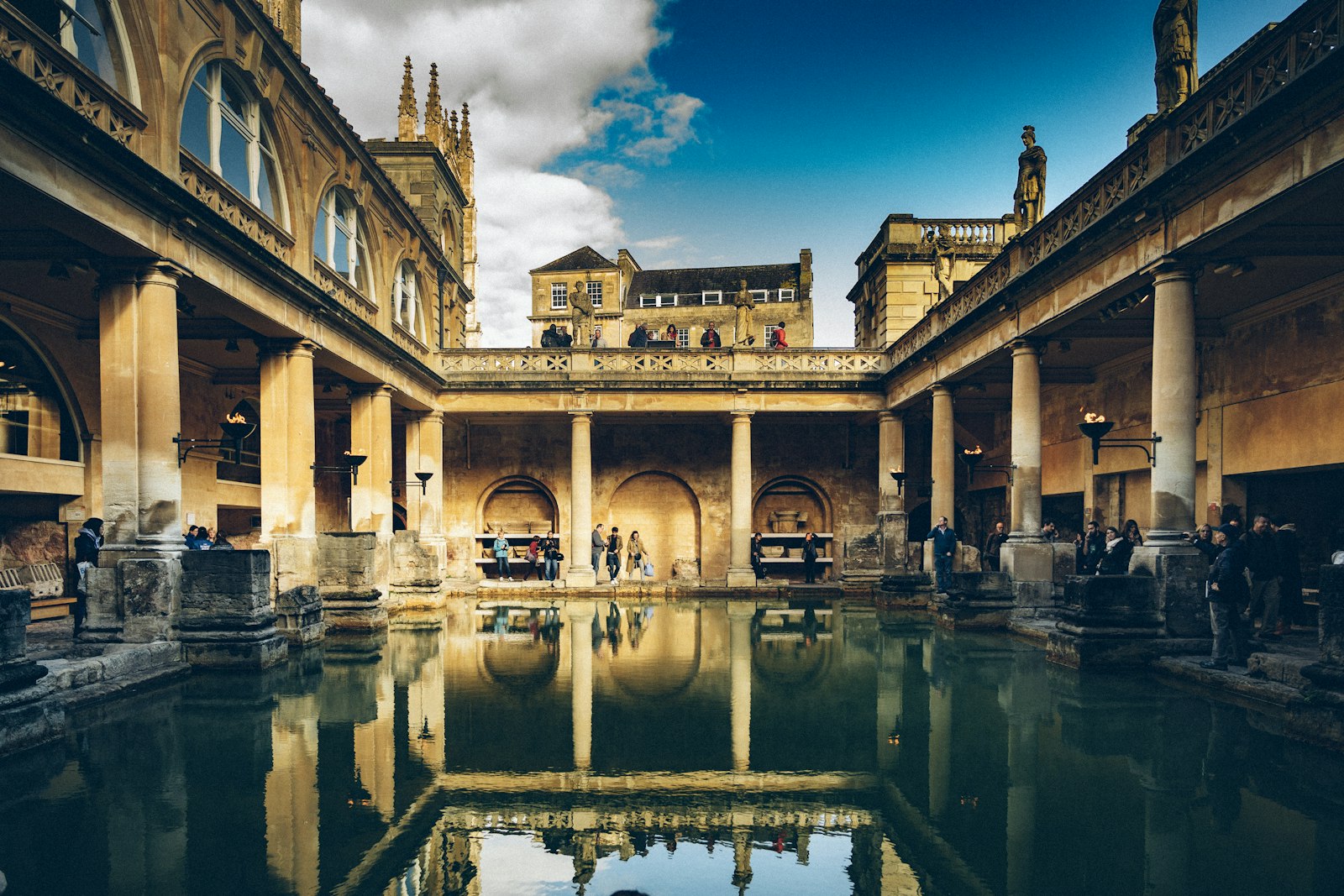
    No visit is complete without the Roman Baths, where the green, steaming Great Bath sits below Victorian terraces lined with statues of emperors. Booking online in advance secures your entry and is cheaper than paying on the day; arrive at opening, during the quieter first hour, for the best atmosphere. You can book Roman Baths entry tickets and guided visits before you travel.

    Next door, the elegant Pump Room, Bath’s social heart since the eighteenth century, is now run by Searcys, serving brunch and afternoon tea beneath chandeliers, with a fountain dispensing the spa water for the brave. The Jane Austen Afternoon Tea is the one to choose, and booking ahead is strongly recommended, especially at weekends and in December.

    Georgian Splendour: Crescents, Bridges and Museums

    The Royal Crescent and No. 1 Royal Crescent

    Designed by John Wood the Younger and built between 1767 and 1774, the Royal Crescent is a sweeping arc of 30 terraced houses facing Royal Victoria Park, with a hidden ha-ha keeping the view uninterrupted. At one end, No. 1 Royal Crescent, a Bath Preservation Trust museum, is furnished as a grand townhouse might have been between 1776 and 1796, from the drawing room to the servants’ kitchen below stairs. It is normally open Tuesday to Sunday, but it closes for a short period in late autumn and over Christmas, so check before you go.

    Bath Abbey tower tour

    Climb the 212 steps of Bath Abbey’s tower on a guided tour of around 45 to 60 minutes, pausing behind the clock face, beside the bells and above the fan-vaulted ceiling before emerging onto the roof for the best views in the city. Tours run Monday to Saturday and can be booked online up to a month ahead or at the Welcome Desk on the day.

    Pulteney Bridge and the weir

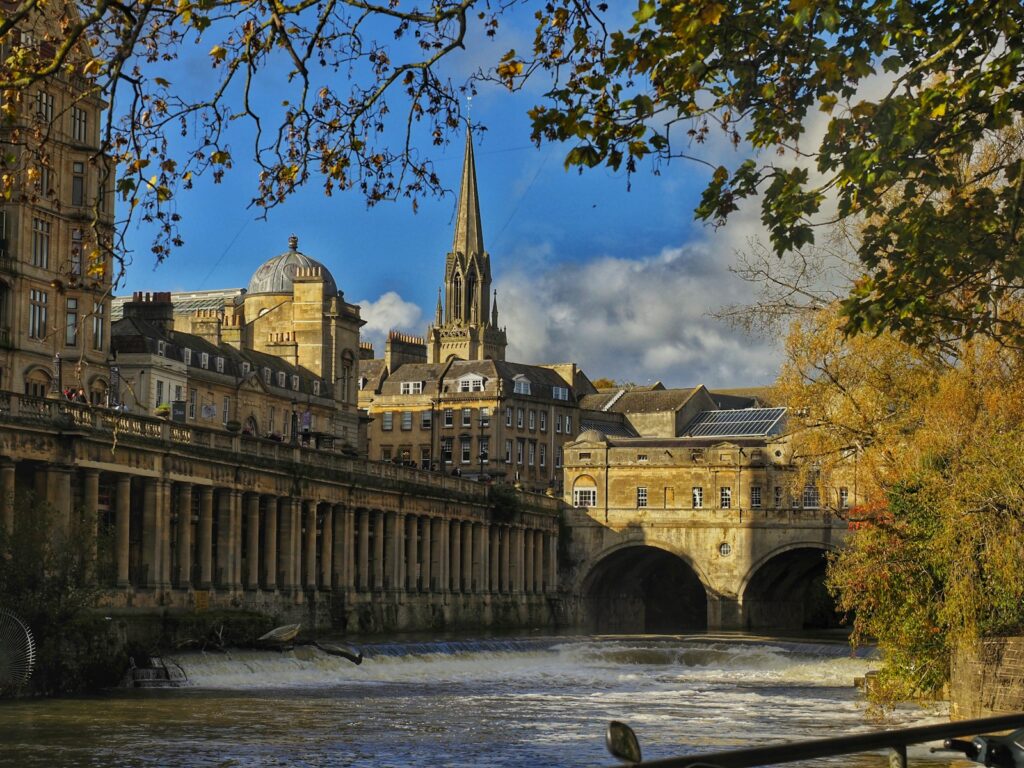
    Robert Adam’s Pulteney Bridge, completed in 1774, is one of only a handful of bridges in the world lined with shops along its full span on both sides, inspired in part by the Ponte Vecchio in Florence. The best view is from Parade Gardens or the riverside below, looking up at the bridge over the graceful horseshoe curves of Pulteney Weir.

    The Holburne Museum

    From the bridge, stroll the length of Great Pulteney Street to the Holburne Museum, a Georgian building with a modern glass extension and a lovely café. Its collection of fine and decorative art is a joy, and it hosts changing exhibitions. A private walking tour of Georgian Bath ties it all together.

    Bath Christmas Market

    If your weekend falls in late autumn, the Bath Christmas Market runs from late November to mid-December, with wooden chalets filling the streets around Bath Abbey and the Roman Baths. Opening hours are 10am to 7pm Monday to Wednesday, 10am to 8pm Thursday to Saturday, and 10am to 6pm on Sunday. Book hotels, spa sessions and restaurants well ahead, and visit on a weekday morning if you can.

    Fine Dining in Bath

    Bath punches well above its weight for food. For the special dinner of the weekend, these are our picks:

    • The Olive Tree at The Queensberry Hotel: Bath’s only Michelin-starred restaurant, retained in the 2026 guide, with refined tasting menus in a stylish Georgian townhouse.
    • The Bath Priory: A three AA Rosette dining room in a country-house hotel set in gardens a short drive from the centre, under Executive Head Chef Chris Hopkins since 2026.
    • Corkage: For a relaxed but excellent evening, this independent restaurant, bar and wine shop has a heated, covered terrace and a superb wine list.

    Where to Stay: Bath’s Best Luxury Hotels

    The Royal Crescent Hotel & Spa

    For the most iconic address in Bath, The Royal Crescent Hotel & Spa occupies the centre of the Crescent itself, with 45 individually designed rooms and suites, a spa with an indoor pool, and a beautiful secret garden behind. Its restaurant, Montagu’s Mews, holds three AA Rosettes.

    The Gainsborough Bath Spa

    Steps from the Roman Baths on Beau Street, The Gainsborough Bath Spa is the choice for anyone whose weekend revolves around thermal water. Part of the YTL Hotels collection, it pairs calm, classic rooms with unrivalled access to Spa Village Bath.

    No.15 Great Pulteney

    Playful, art-filled and full of character, No.15 Great Pulteney sits in a Georgian townhouse on Bath’s grandest street. It has its own small spa and is the flagship of the independent GuestHouse Hotels group.

    Homewood, near Freshford

    If you prefer the countryside, Homewood is a country-house hotel a short drive south of the city with 31 bedrooms, some with private hot tubs, an indoor-outdoor spa and a heated outdoor pool.

    A Two-Day Luxury Weekend in Bath

    Day 1: Waters and crescents

    Arrive mid-morning and visit the Roman Baths, then walk next door for a Jane Austen afternoon tea in the Pump Room. Spend the late afternoon at Spa Village Bath, or stroll up to the Royal Crescent and No. 1 Royal Crescent. As night falls, take an evening session in the rooftop pool at Thermae Bath Spa, then dine at The Olive Tree.

    Day 2: Abbey, bridge and art

    Start with the Bath Abbey tower tour for the morning views, then wander down to Pulteney Bridge and the weir. Walk Great Pulteney Street to the Holburne Museum for lunch in its café and an hour with the collection. In December, finish at the Christmas Market.

    Pulteney Bridge and the weir in Bath on an autumn day
    Pulteney Bridge and the weir, one of the loveliest views in Bath. Photo: Bradley Pritchard Jones / Unsplash

    Day Trips from Bath

    • Castle Combe: About 13 miles by road, this tiny stone village of wisteria-clad cottages and an ancient market cross is often called one of England’s prettiest.
    • Lacock: Around 12 miles away, a National Trust village with buildings spanning the thirteenth to eighteenth centuries and the medieval Lacock Abbey.
    • The Cotswolds: The southern edge of the Cotswolds begins just north of Bath. Stay a night or two at one of our favourite boutique hotels in the Cotswolds, or explore the Cotswold canals.

    Without a car, a small-group Cotswolds, Castle Combe and Lacock day tour from Bath is the easiest way to see the villages.

    Getting There and Getting Around

    GWR trains run frequently from London Paddington to Bath Spa, with the fastest services taking around 1 hour 20 minutes and most journeys about an hour and a half. Bath Spa station is a short walk from the Abbey and most central hotels, and the compact centre is best explored on foot. Driving in is slow and parking limited.

    FAQs

    Can children use Thermae Bath Spa?

    No. The minimum age is 16, and treatments are for over-18s only. Spa Village Bath at The Gainsborough also does not admit under-16s.

    Do I need to book the Roman Baths in advance?

    It is strongly recommended. Advance online tickets secure your entry and cost less than paying on the day, and weekends and school holidays get very busy.

    When is the Bath Christmas Market?

    From late November to mid-December, in the streets around Bath Abbey.

    Let Us Plan Your Bath Spa Weekend

    Tell us your dates and we will design a seamless Bath escape, with the right hotel, spa sessions, tables and countryside extensions all arranged.

  • Places Less Visited: Portmeirion, Wales’ Italianate Fantasy Village

    Places Less Visited: Portmeirion, Wales’ Italianate Fantasy Village

    On a wooded headland above the Dwyryd estuary in North Wales, an architect’s lifelong daydream of pastel campaniles, salvaged colonnades and subtropical woodland has become one of Britain’s most enchanting and unexpected places to spend a day, or better still, a night.

    Why Portmeirion?

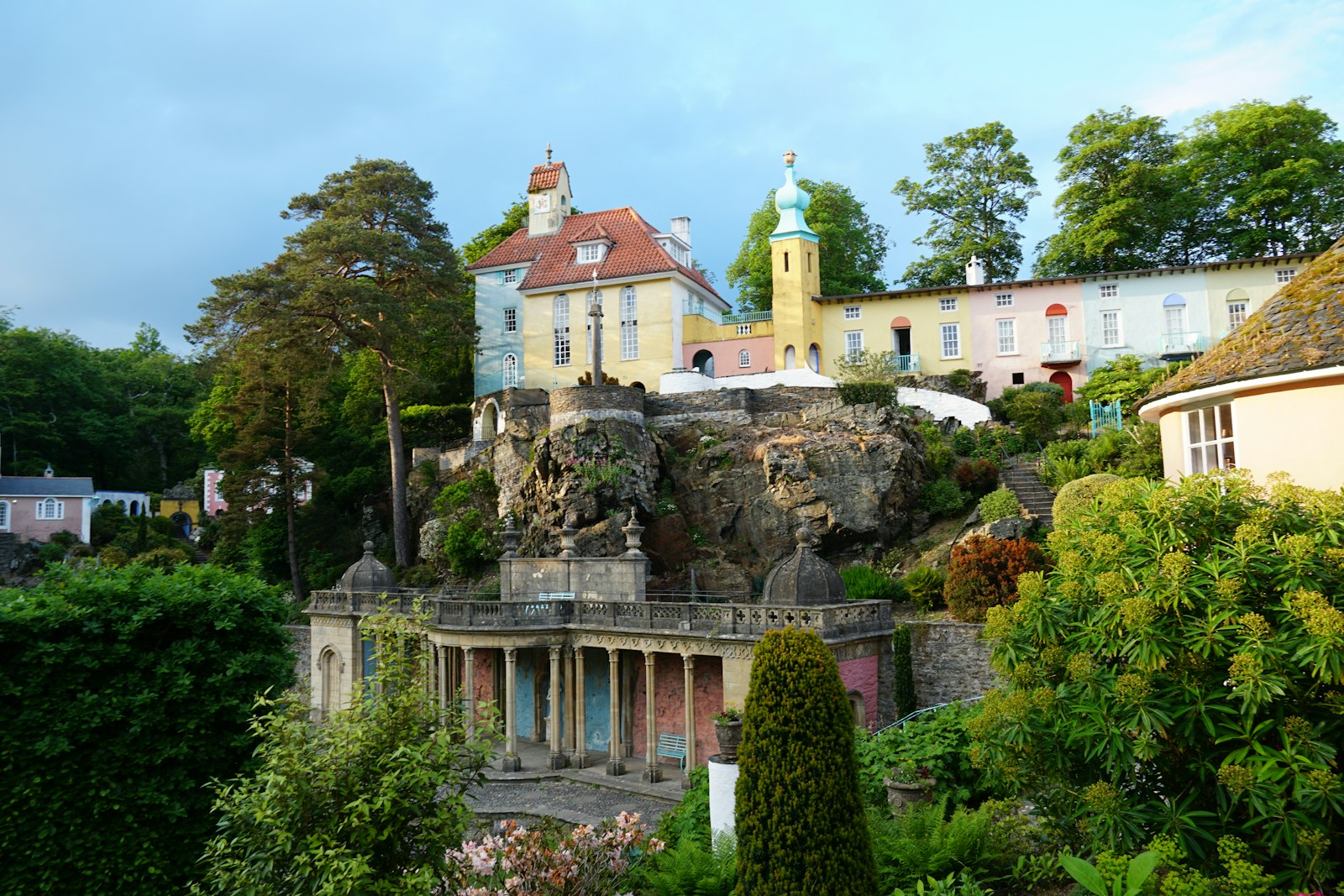
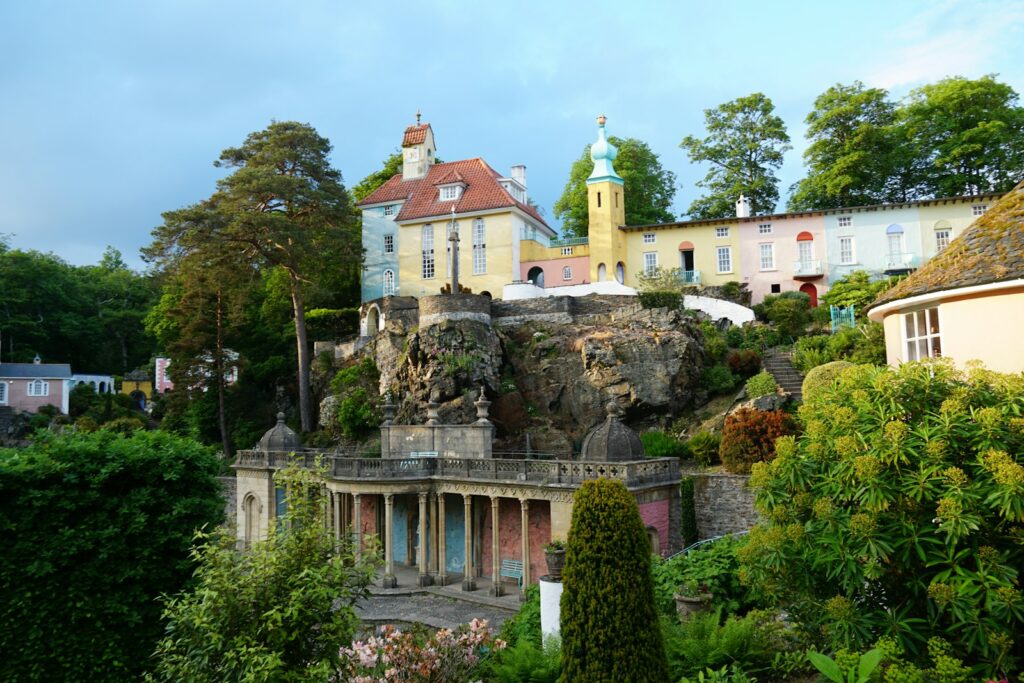
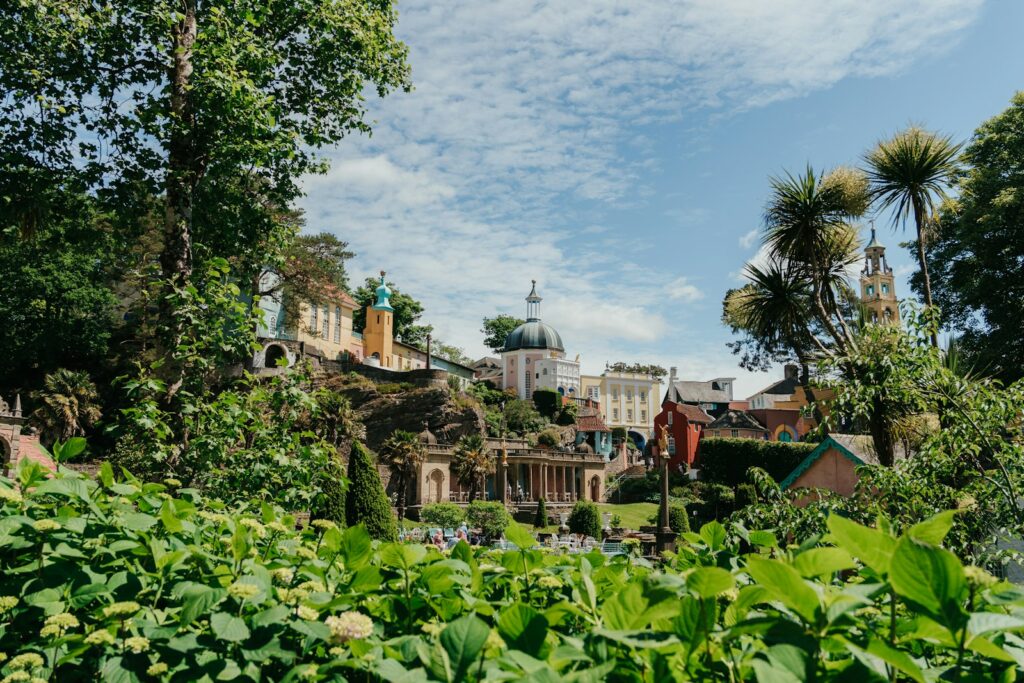
    Portmeirion looks as though a Mediterranean hill town has drifted ashore in Gwynedd. Domes, loggias and painted façades in ice-cream colours tumble down towards a sandy estuary, framed by palms, hydrangeas and the mountains of Eryri. It is part architectural folly, part conservation manifesto, part film set, and entirely unlike anywhere else in Britain.

    Portmeirion turned 100 in 2026, a century since the Hotel Portmeirion first opened its doors at Easter 1926, and sixty years since The Prisoner began filming here. Yet once the day visitors leave in the early evening, it becomes wonderfully quiet, which is why we think it belongs firmly in our Places Less Visited series.

    Pastel-coloured Italianate buildings and a slender tower among trees at Portmeirion village, Wales
    Portmeirion’s pastel Italianate village, tucked into the woods above the Dwyryd estuary. Photo: Sheila C / Unsplash

    Clough Williams-Ellis and His Dream Village

    The village was the creation of the architect Sir Clough Williams-Ellis (1883 to 1978), who acquired the site in 1925 and spent the next half-century designing and building it, finishing in 1975. He was knighted in 1972 for services to architecture and environmental preservation, and was a tireless campaigner against careless development: his 1928 book England and the Octopus attacked urban sprawl, and he later helped shape Britain’s national parks.

    Portmeirion was his argument in stone that a naturally beautiful place could be developed without spoiling it, and could even be improved. He denied copying Portofino, preferring to describe a general Mediterranean spirit filtered through his own playful imagination. Today the village is owned by a charitable trust, and many of its buildings are listed by Cadw, with the Town Hall listed at Grade I.

    Architecture and Salvaged Buildings

    Part of Portmeirion’s charm is that much of it is rescued. Williams-Ellis gathered fragments of demolished buildings and gave them new lives here, earning the village its affectionate nickname, a “home for fallen buildings”. Look out for:

    • The Town Hall (Hercules Hall): Incorporating stonework and an elaborate plaster-ceilinged hall salvaged from Emral Hall in Flintshire after it was demolished.
    • The Bristol Colonnade: An eighteenth-century colonnade from the Arnos Court bathhouse in Bristol, threatened by road widening and carefully rebuilt here by Williams-Ellis’s master mason, William Davies, at the end of the 1950s.
    • The Campanile and Piazza: The village’s theatrical centrepiece, with fountains, statuary and gilded figures set against the trees.

    Tip: Arrive at opening time or linger after 5pm if you are staying. The piazza in soft morning or evening light, with no crowds, is when Portmeirion feels most magical for photography.

    The Prisoner: Be Seeing You

    For film and television fans, Portmeirion is forever The Village. Patrick McGoohan shot the exteriors for his cult series The Prisoner here in 1966 and 1967, and the show first aired on ITV in autumn 1967. Famously, the location was kept a secret on screen until the credits of the final episode.

    Fans can trace the show around the village: the Round House, built in 1958 to 1959, served as Number Six’s residence, and the Hotel Portmeirion appeared as the Old People’s Home. The Prisoner Shop sells memorabilia and merchandise. Before you go, it is worth revisiting the series on The Prisoner complete series box set.

    The annual Prisoner convention

    Each spring the appreciation society Six of One holds its convention, known as PortmeiriCon, in the village, complete with a human chess game and a parade. The 42nd convention ran in April 2026. Registration is for Six of One members, so join the society if you would like to attend, and watch their website for 2027 dates.

    Festival No. 6: A Short, Bright Chapter

    From 2012 to 2018, Portmeirion hosted Festival No. 6, a September music and arts festival named in homage to The Prisoner. After the 2018 edition, the organisers announced an indefinite break, and it has not returned. Music still finds its way here, though: in the centenary year, the village hosted the summer Gŵyl Portmeirion concerts, so check the events calendar for future programmes.

    The Gwyllt Gardens and Woodland

    Many visitors never get beyond the piazza, which is a shame. Behind the village lies Y Gwyllt (Welsh for “the wild”), around 70 acres of subtropical woodland laced with miles of paths. Its exotic planting predates Williams-Ellis: the previous owner, George Henry Caton Haigh, was an authority on Himalayan flowering trees, and the gardens are now Grade II* listed.

    Expect one of Britain’s finest early twentieth-century rhododendron collections, magnolias and ginkgos, a Japanese garden with a pagoda and a lily-covered lake, a derelict castle and secluded coves along the shore. The woodland is at its most spectacular in late spring when the rhododendrons are in flower. Wear proper shoes: some paths are steep and uneven.

    Palms and lush green planting framing the domed buildings of Portmeirion
    Palms and lush planting thrive in Portmeirion’s sheltered, mild microclimate. Photo: Shawn / Unsplash

    Portmeirion Pottery

    The famous pottery has its roots here too. Clough’s eldest daughter, Susan Williams-Ellis, and her husband Euan Cooper-Willis first sold ceramics in the village gift shop, and by around 1961 they had turned two small Stoke-on-Trent potteries into Portmeirion Pottery. Susan’s Botanic Garden design, launched in 1972 and inspired by nineteenth-century botanical illustrations, remains one of the most successful tableware patterns ever made.

    Where to Stay in the Village

    Staying overnight is the real secret of Portmeirion. Once the gates close to day visitors, residents have the piazza, the estuary and the woodland almost to themselves. All the options below are run by Portmeirion.

    Hotel Portmeirion

    The original waterside mansion that started it all, opened in 1926, rebuilt after a fire in 1981 and reopened in 1988. Hotel Portmeirion sits right on the estuary, with an Art Deco dining room holding two AA Rosettes, lounges, a bar and terrace, and an open-air pool reserved for resident guests in summer.

    Castell Deudraeth

    Just outside the village gates, this Victorian castellated mansion, bought by Williams-Ellis in 1931, opened as a hotel in 2001. Castell Deudraeth has 11 contemporary rooms, a brasserie and a Victorian walled garden, and suits travellers who prefer a more modern style.

    Village rooms and cottages

    For the full fantasy, book one of the 32 individually decorated serviced rooms scattered through the village itself, or one of 13 self-catering cottages with access to hotel facilities.

    Visiting as a Day Guest

    Portmeirion is open to day visitors all year, except Christmas Day and Boxing Day, for an admission charge. Tickets can be bought at the toll booth or online in advance, which is strongly advised at busy times; online tickets are for a chosen date and arrival slot, and are non-refundable. Gates close earlier in winter than in the main season, so check current times and prices on the official website.

    A lovely alternative is to book lunch or afternoon tea at Hotel Portmeirion, or a two- or three-course lunch at Castell Deudraeth, which includes village entry (conditions apply, so confirm when booking). Note that pets are not allowed in the grounds, though assistance dogs are welcome.

    Exploring Nearby

    Eryri National Park

    Portmeirion sits on the edge of Eryri, the national park long known in English as Snowdonia, with Yr Wyddfa (Snowdon) and its neighbours rising inland.

    Ffestiniog and Welsh Highland Railways

    From Porthmadog harbour, two narrow-gauge heritage railways head into the mountains. The Ffestiniog Railway, whose company dates from 1832, climbs about 13.5 miles to the slate town of Blaenau Ffestiniog, stopping at Minffordd, close to Portmeirion. The Welsh Highland Railway runs about 25 miles to Caernarfon past the foot of Yr Wyddfa, making it the UK’s longest heritage railway. See North Wales steam railway experiences.

    Harlech Castle

    Across the estuary, Edward I began Harlech Castle in 1283. Together with Caernarfon, Conwy and Beaumaris, it forms the UNESCO World Heritage Site of the Castles and Town Walls of King Edward in Gwynedd, inscribed in 1986, and is cared for by Cadw. Browse guided North Wales castles tours.

    Criccieth

    A short drive west, the seaside town of Criccieth is crowned by a castle built by the native Welsh princes of Gwynedd, begun by Llywelyn the Great and also cared for by Cadw. For more Welsh heritage, pair this trip with our guide to abbey ruins from Tintern to Fountains.

    How to Get There

    • By car: Portmeirion lies near Penrhyndeudraeth, about two miles from Porthmadog, signposted off the main coast road. There is parking for day visitors.
    • By train: Minffordd station, about a mile away, is served by Transport for Wales trains on the Cambrian Coast line and by the Ffestiniog Railway. A signed walk leads from the station to the village.
    • From further afield: Portmeirion fits neatly into a North Wales touring itinerary; we recommend at least two nights in the area to pair the village with the railways and castles.

    A Two-Day Portmeirion Escape

    Day 1: The village

    Arrive late morning, check in and explore the piazza, the Prisoner sights and the shops. Walk the Gwyllt in the afternoon, then enjoy dinner at Hotel Portmeirion as the tide changes on the estuary and the day visitors drift away.

    Day 2: Steam and castles

    Take an early stroll through the empty village, then head to Minffordd for a morning on the Ffestiniog Railway. In the afternoon, drive round to Harlech Castle for sweeping views back across the bay to Portmeirion, finishing with a walk by the sea at Criccieth.

    FAQs

    Do you have to pay to enter Portmeirion?

    Yes, day visitors pay an admission charge, which helps fund the upkeep of the village. Overnight guests, and diners with a qualifying restaurant booking, receive entry.

    Where was The Prisoner filmed?

    The exterior scenes of The Village were filmed at Portmeirion in 1966 and 1967, with interior scenes shot in the studio.

    Is Festival No. 6 still running?

    No. The festival ran from 2012 to 2018 and has been on an indefinite break since.

    How long should I spend at Portmeirion?

    Allow at least half a day to see the village and part of the woodland. To experience it at its most peaceful, stay at least one night.

    Let Us Plan Your North Wales Escape

    Tell us your dates and we will design a seamless itinerary, from a night in The Village to steam railways and Edward I’s great castles.

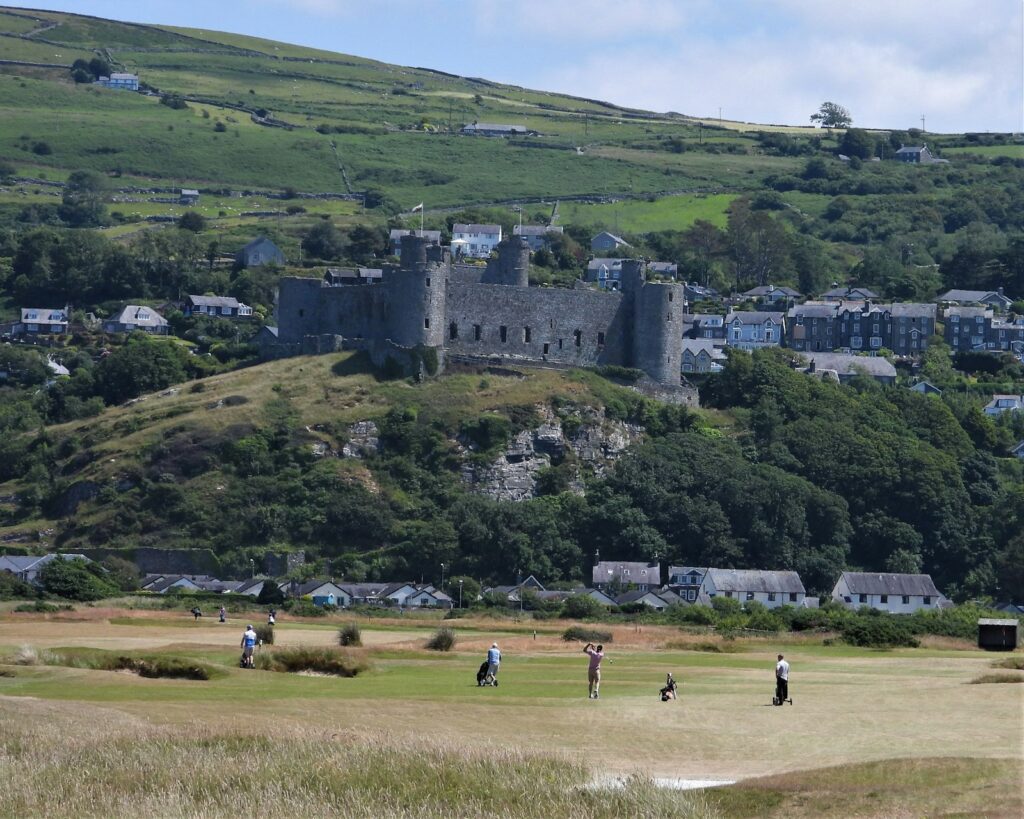
    Harlech Castle on its rocky crag above the town, seen across the links from the sea
    Harlech Castle, just across the estuary from Portmeirion. Photo: Huw Edwards / Unsplash
  • 10 Boutique Hotels in the Cotswolds You Need to Experience

    10 Boutique Hotels in the Cotswolds You Need to Experience

    Honey-stone villages, crackling fires, and design-led stays in England’s prettiest countryside.

    Why the Cotswolds Captivate Luxury Travelers

    There’s something magnetic about the Cotswolds. Perhaps it’s the light that softens every honeyed stone, or the way each market town, Burford, Stow-on-the-Wold, Broadway, feels preserved yet lived-in. For centuries, artists, aristocrats, and weary Londoners have sought refuge here. Today, the Cotswolds are home to a new kind of luxury, one rooted in craft, comfort, and connection. Expect log fires and linen sheets, tasting menus built on the day’s garden pickings, and staff who remember your dog’s name.

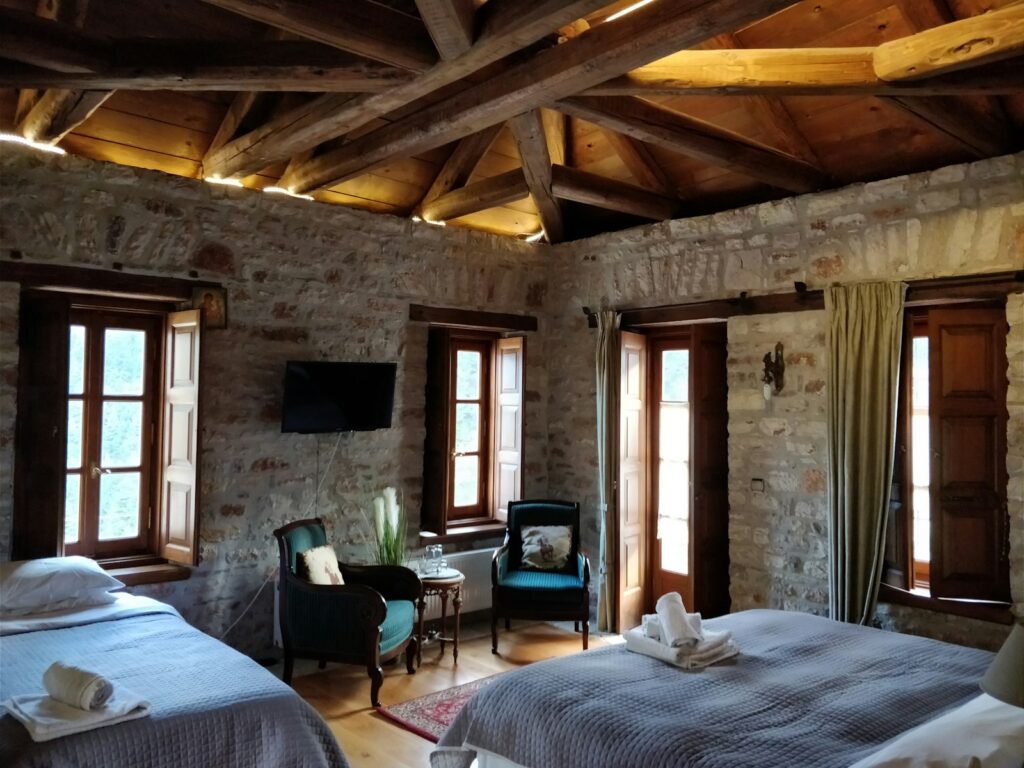
    Hotel bedroom with exposed stone walls, timber beams and linen bedding
    Stone, linen, and soft light, the textures of a perfect Cotswolds stay. Photo: Man Pan / Unsplash

    What Defines a Boutique Hotel Here

    A true Cotswolds boutique stay offers more than a room, it tells a story. Interiors blend heritage beams with modern art; kitchens champion local provenance; service balances polish with ease. You’ll find lavish manor suites and award-winning spas, yes, but the real appeal is atmosphere, the kind that feels like visiting a friend’s beautiful country home (if your friend had an in-house sommelier and lavender fields out back).

    Booking tip: Shoulder weeks (late May, mid-September) offer golden light, quieter lanes, and more flexible rates than peak weekends.

    Top 10 Boutique Hotels (Mini Profiles)

    1) Thyme, Southrop, “A Village Within a Village”

    Set in a lovingly restored cluster of honey-stone buildings, Thyme is the Cotswolds at its most elegant and serene. This 150-acre estate feels like a pastoral dream, complete with kitchen gardens, meadows, and an apothecary-inspired spa. Rooms exude countryside luxury: hand-painted botanical murals, deep roll-top baths, and crisp linens. Dining at The Ox Barn celebrates seasonal ingredients straight from the garden.

    Approx. £450 per night • Check latest rates and packages →

    2) The Wild Rabbit, Kingham, Chic Country Simplicity

    Part of the Daylesford Organic family, The Wild Rabbit redefines the modern inn. Inside, stone walls meet pale oak floors and sculptural lighting. Bedrooms, some with four-poster beds and log-burning stoves, are the epitome of understated luxury. The restaurant holds a Michelin star, where field-to-fork meets finesse: roast partridge, Cotswold lamb, and foraged herbs.

    Approx. £400 per night • Check latest rates and packages →

    3) Barnsley House, Cirencester, A Romantic Classic

    Few addresses capture the English garden dream quite like Barnsley House. The grounds remain spectacular, an intoxicating mix of formality and wildness. Indoors, it’s all quiet opulence: velvet sofas, stone fireplaces, and deep soaking tubs overlooking green lawns. The leafy spa offers botanical treatments and outdoor hydrotherapy pools.

    Approx. £375 per night • Check latest rates and packages →

    4) Dormy House, Broadway, Modern Country Glamour

    Perched above Broadway, Dormy House blends design polish and homely warmth. Expect roaring fires, plush interiors in calming neutrals, and one of the region’s best spas, complete with infinity pool and outdoor hot tub. The Back Garden serves elevated comfort food and a superb breakfast that runs on sunshine and sourdough.

    Approx. £420 per night • Check latest rates and packages →

    5) The Fish Hotel, Farncombe Estate, Playful, Stylish, Relaxed

    Where upscale fun lives. The Fish spans woodland slopes with Scandi-inspired rooms, family-friendly cabins, and treehouses with hot tubs. Spend days on e-bikes or forest walks, then gather for G&Ts by the fire pit. It’s a rare blend of informality and indulgence, ideal for luxe-but-laid-back escapes.

    Approx. £250 per night • Check latest rates and packages →

    6) The Painswick, Stroud, Georgian Grace Meets Playful Edge

    In the artistic village of Painswick, this 18th-century mansion balances charm and cheek. The Painswick pairs bold colour palettes and velvet textures with impeccable, un-stuffy service. Many rooms have valley views and claw-foot tubs. The kitchen shines with creative plates and excellent Cotswold gin cocktails.

    Approx. £290 per night • Check latest rates and packages →

    7) Calcot & Spa, Tetbury, Family-Friendly Luxury

    A beloved Cotswolds institution on 220 acres of meadows. Calcot & Spa balances romance with family needs: an outdoor hot tub for adults; an Ofsted-registered crèche for little ones. The spa is world-class, with Elemis treatments and a serene relaxation lounge. Dinner at The Conservatory feels celebratory yet easygoing.

    Approx. £400 per night • Check latest rates and packages →

    8) The Lygon Arms, Broadway, History and Grandeur

    Once a 14th-century coaching inn, The Lygon Arms has hosted everyone from Oliver Cromwell to Elizabeth Taylor. After a sensitive refresh, it feels grand yet welcoming. Think vast fireplaces, flagstone floors, and four-poster suites. The spa offers thermal experiences, while the grill dishes hearty seasonal British fare.

    Approx. £370 per night • Check latest rates and packages →

    9) Cowley Manor Experimental, near Cheltenham, Bold, Artistic, Unmistakable

    Reborn under the Experimental Group, Cowley Manor fuses stately British architecture with Parisian flair: mid-century furniture, colourful fabrics, and an avant-garde art collection. The 55-acre grounds hide lakes, sculptures, and secret gardens. The C-Side spa offers indoor/outdoor pools and cutting-edge treatments.

    Approx. £500 per night • Check latest rates and packages →

    10) The Old Stocks Inn, Stow-on-the-Wold, Contemporary Cool in a Historic Setting

    In the heart of Stow, The Old Stocks Inn marries Georgian character with sleek design. Expect patterned wallpapers, brass details, and an easygoing lounge bar. Its restaurant is a local favourite, creative small plates and craft cocktails overlooking the square.

    Approx. £250 per night • Check latest rates and packages →

    Design & Dining Highlights

    The Cotswolds’ boutique hotels excel at blending rustic charm with contemporary design. Expect tactile layers, stone, wool, linen, paired with modern art, muted palettes, and candlelit lounges. Culinary excellence is a shared language here: homegrown vegetables at Thyme, seasonal tasting menus at The Wild Rabbit, farm-to-table simplicity at Dormy House. It’s Michelin-level skill without pretense.

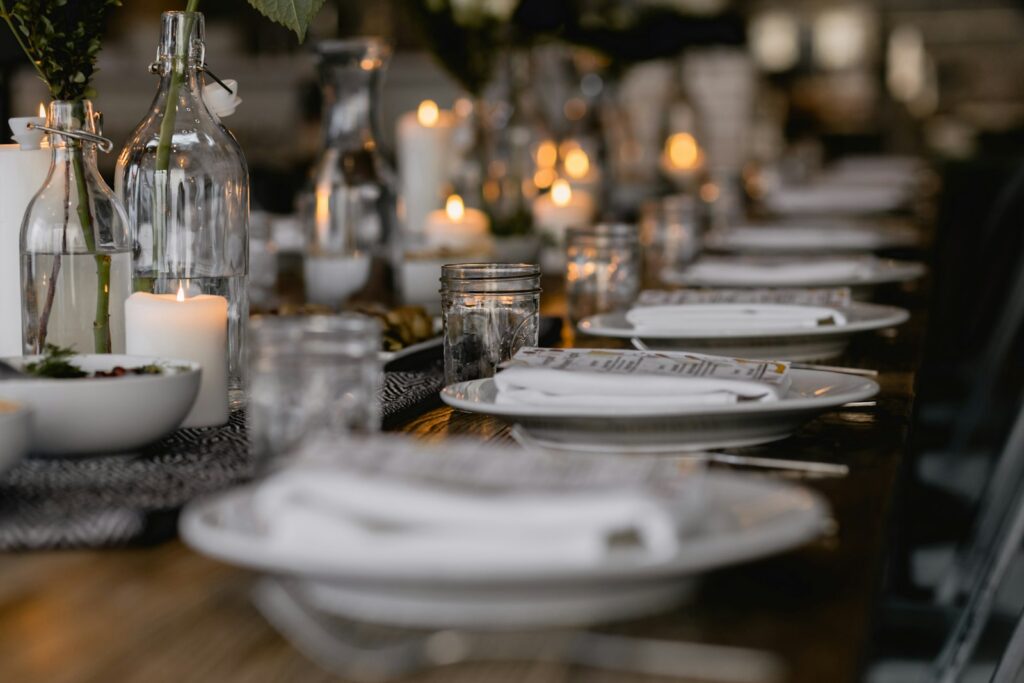
    Long dining table laid with white plates, candles and glass bottles
    From kitchen garden to plate, seasonal menus that celebrate place. Photo: Nadia Valko / Unsplash

    When to Visit

    Spring (March–May): Blossom-filled lanes and the start of garden season, perfect for walkers and photography.

    Summer (June–August): Lavender fields, festivals, and long golden evenings on terraces.

    Autumn (September–October): Crisp air, crimson leaves, and the cosiest fireside stays.

    Winter (November–February): Frosted mornings, roaring hearths, and festive markets in Chipping Campden and Broadway.

    Travel tip: Shoulder seasons offer the best light, quieter lanes, and more flexible rates.

    Romance, Wellness & Family Escapes

    Romance: Barnsley House, Thyme, and The Painswick brim with atmosphere and privacy, think garden paths, freestanding tubs, and late-night cocktails.

    Wellness: Calcot & Spa and Dormy House deliver world-class treatments and hydrotherapy circuits.

    Families: The Fish Hotel’s treehouses and nature trails make luxury playful and easy.

    Planning Your Stay & Getting Around

    Most guests arrive by car from London (around 2 hours). Train hubs include Moreton-in-Marsh, Kingham, and Kemble, each with car hire or local transfers available. Base in one or two regions, perhaps the North Cotswolds for Broadway, Stow, and Chipping Campden; and the South Cotswolds for Tetbury, Cirencester, and Southrop. Allow at least three nights to settle in, though a week lets you blend spa time, slow lunches, and antique-hunting in Tetbury.

    • Pairings: Day trips to Blenheim Palace, Sudeley Castle, and Tetbury’s antique shops.
    • Transfers: We’ll arrange private drivers so every day feels effortless.
    • Dining: Reserve key restaurants when you book rooms, intimate dining rooms fill quickly.

    Inspired to Stay in Style?

    Tell us your dates, interests, and preferred vibe, then we’ll pair you with the perfect Cotswolds hotel (or two) and build a seamless itinerary.

    Know Before You Go

    • Dress code: Smart-casual; countryside chic goes a long way.
    • Best rooms: Ask for suites with roll-top baths or private terraces; many book out early.
    • Accessibility: Historic manors often have stairs; request ground-floor rooms where needed.
    • Pets: Many properties welcome dogs, The Fish and The Wild Rabbit especially.
    • Value: Midweek stays and shoulder season dates can offer excellent packages.

    FAQs

    How many nights do you need in the Cotswolds?

    Three to four nights is ideal for exploring a few villages at a relaxed pace. For a deeper stay, a week lets you mix hiking, spa time, and long lunches.

    Are the Cotswolds suitable for car-free travel?

    Yes, if you stay near train-linked hubs like Kingham or Moreton-in-Marsh. Use local taxis or private transfers arranged by your hotel or by us.

    When should I book?

    Spring and summer dates open 9–12 months ahead. For late autumn or winter escapes, 8 weeks is usually sufficient.

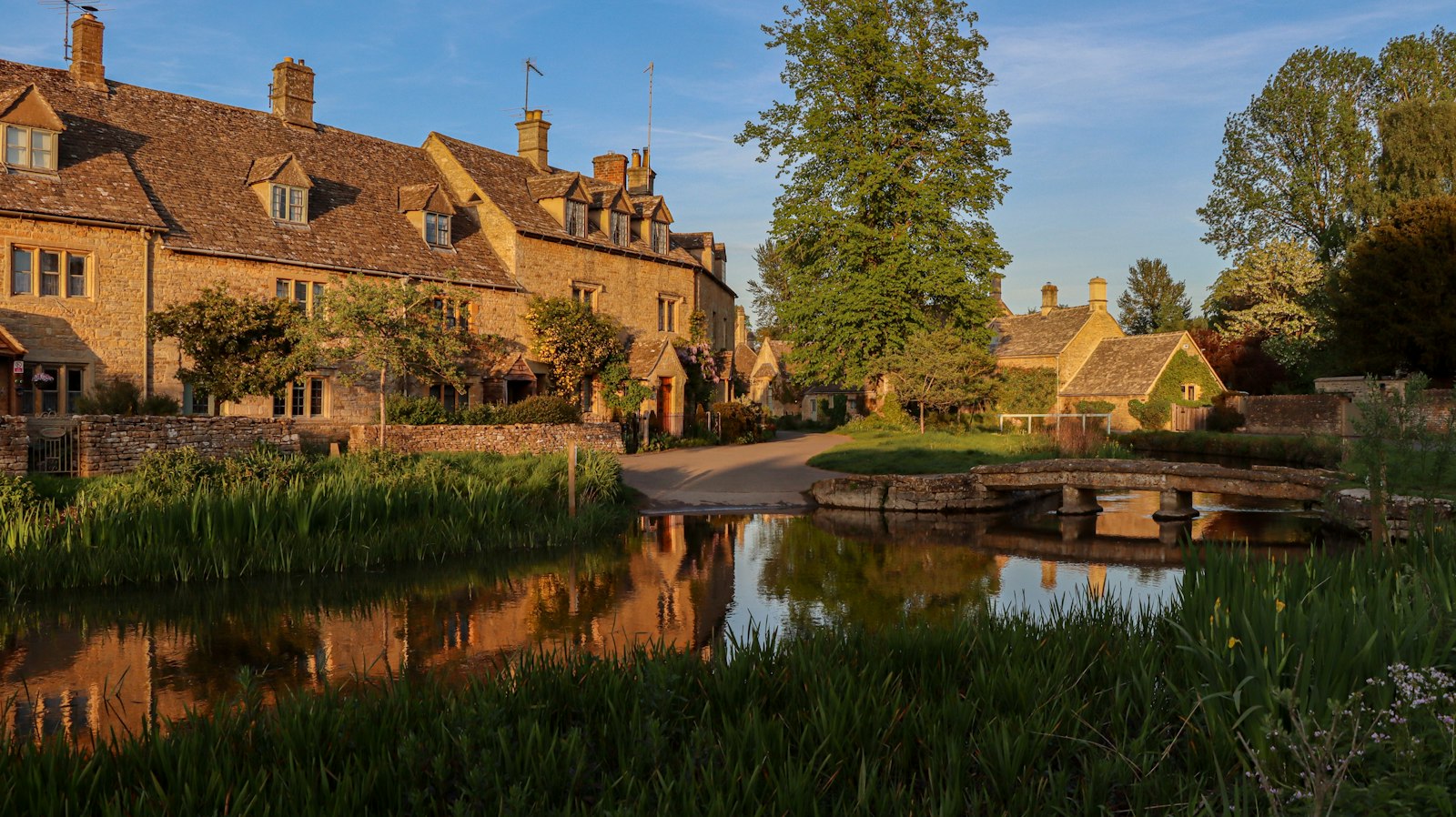
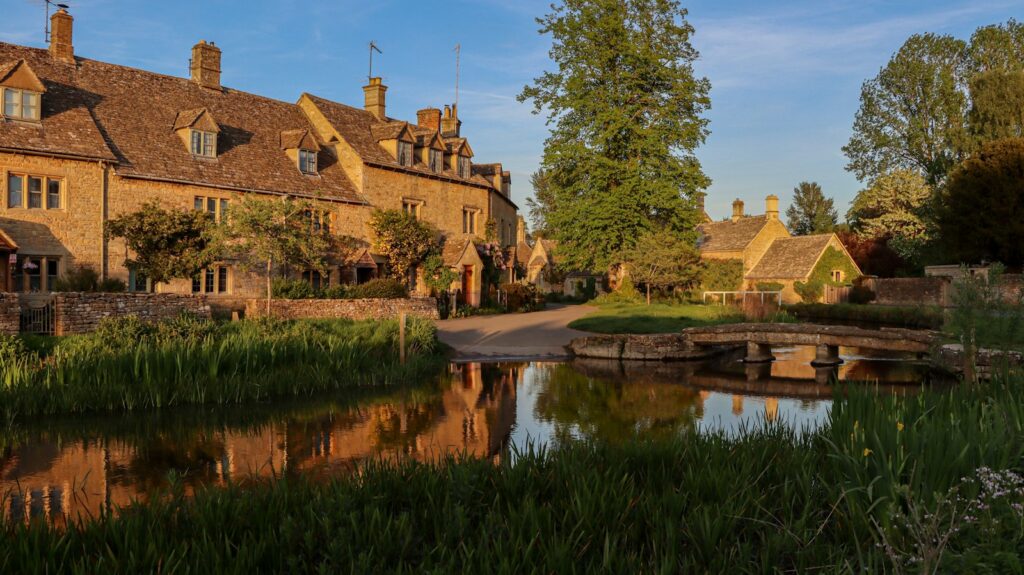
    Golden hour light on the Cotswold village of Lower Slaughter, Gloucestershire
    Golden hour across a timeless English landscape. Photo: martin fenton / Unsplash