
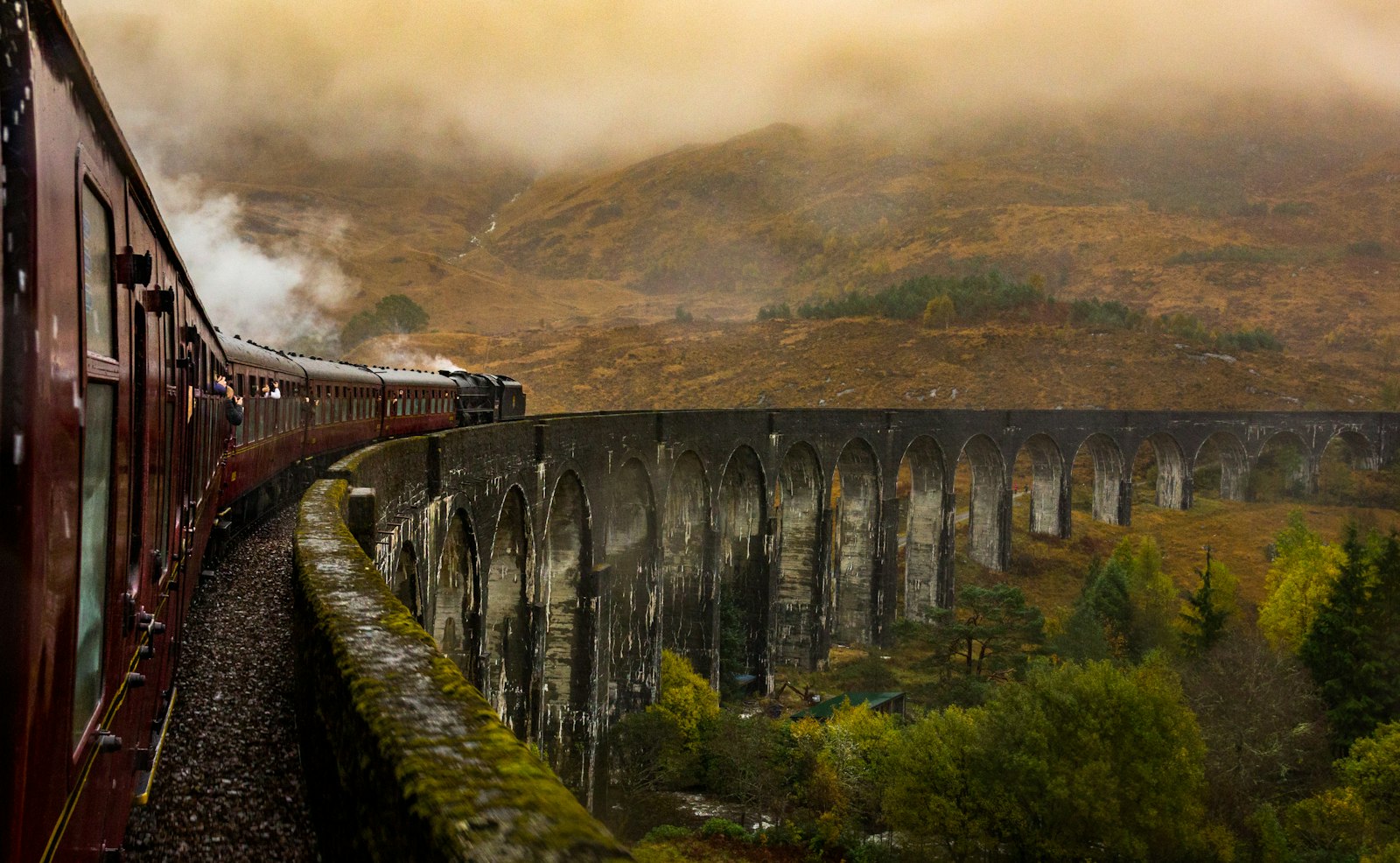
Long before the Studio Tour opened its doors, Hogwarts was being pieced together from real British places: a Northumberland castle, cathedral cloisters in Gloucester and Durham, an Oxford staircase and a Highland viaduct, all of which you can still visit today.
Table of Contents
- Why Go Beyond the Studio Tour?
- Hogwarts in Stone: Castles, Cathedrals and Abbeys
- Oxford: Christ Church and the Divinity School
- Steam Railways: Glenfinnan and Goathland
- London Locations
- The Warner Bros. Studio Tour London
- The New HBO Series
- Where to Stay
- A Ten-Day Route from London to the Highlands
- FAQs
Why Go Beyond the Studio Tour?
The Harry Potter films were shot largely on sound stages at Leavesden, but the filmmakers kept returning to Britain’s medieval cathedrals, Tudor colleges and wild landscapes to give Hogwarts its sense of age. Visiting those places is a different pleasure from seeing the sets. You stand in cloisters that have echoed with plainsong for centuries, then wander into a market town or a Highland glen that has nothing to do with wizards at all.
For travellers who love history as much as film, it is the perfect excuse for a journey from London to the West Highlands.
Hogwarts in Stone: Castles, Cathedrals and Abbeys
Alnwick Castle, Northumberland
Home of the Dukes of Northumberland, Alnwick Castle played Hogwarts in exterior scenes for Philosopher’s Stone, most memorably Madame Hooch’s first flying lesson in the Outer Bailey. The castle still leans into the connection, with free broomstick training sessions included in admission (collect a timed slot on arrival, first come, first served). Alnwick is seasonal, usually open from late March to the end of October. Our guide to the Northumberland castle coast covers the shoreline nearby.
Durham Cathedral
Durham’s Norman cathedral appeared in both Philosopher’s Stone and Chamber of Secrets. The cloister garth is where Harry releases Hedwig into a snowy sky, and where Ron’s slug-eating curse backfires; the Chapter House became Professor McGonagall’s Transfiguration classroom. The cathedral even lent props: the inkwell on McGonagall’s desk had been used by its own Chapter Clerks. Allow time for the nave and tower too: the cathedral is a World Heritage Site in its own right.
Gloucester Cathedral
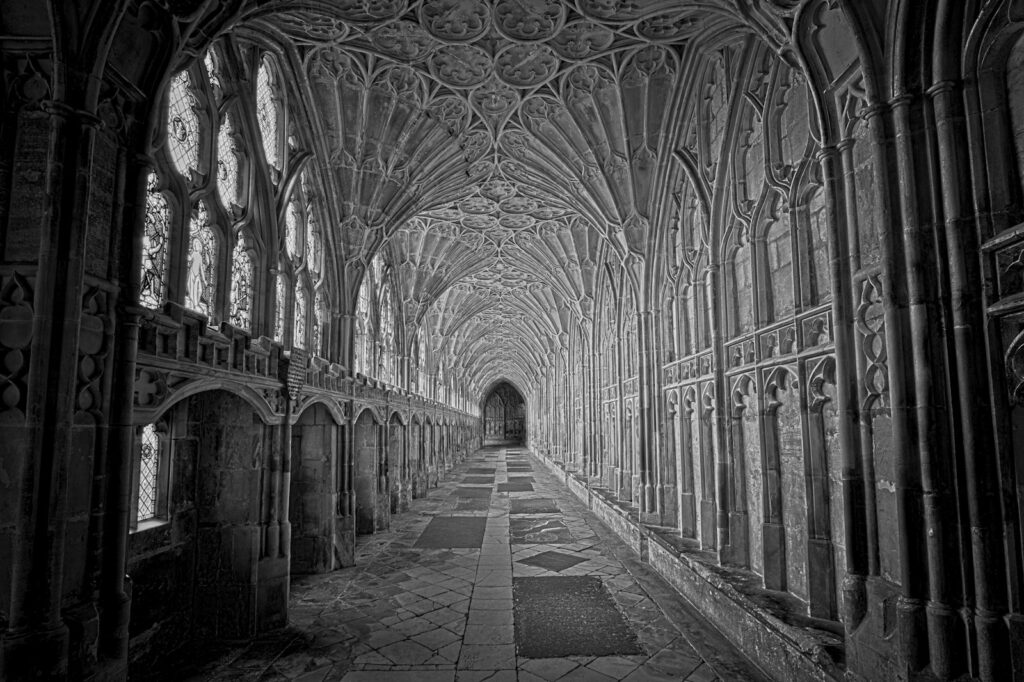
The fan-vaulted cloister at Gloucester appears in three of the films. It is where Harry and Ron hide from the troll in the first film, where the ominous writing appears on the wall in Chamber of Secrets, and, in the lavatorium, where Harry overhears Snape and Malfoy in Half-Blood Prince. The cathedral has begun a long-term conservation programme on the cloister, so expect some areas to be screened at times.
Lacock Abbey and village, Wiltshire
Owned by the National Trust, Lacock is a double prize. The abbey’s medieval cloisters served as Hogwarts corridors and classrooms in the first two films: VisitBritain notes the Chapter House as the setting for the Mirror of Erised, the Sacristy as Snape’s Potions class and the Warming Room, with its giant cauldron, as Quirrell’s classroom. Outside, the honey-stone village itself had two roles: a cottage stood in for Harry’s childhood home in Godric’s Hollow in Philosopher’s Stone, and its streets became Budleigh Babberton, where Harry and Dumbledore find Slughorn in Half-Blood Prince.
Tip: Lacock is a living village with residents, not a film set. Arrive early, park in the National Trust car park and explore on foot.
Oxford: Christ Church and the Divinity School
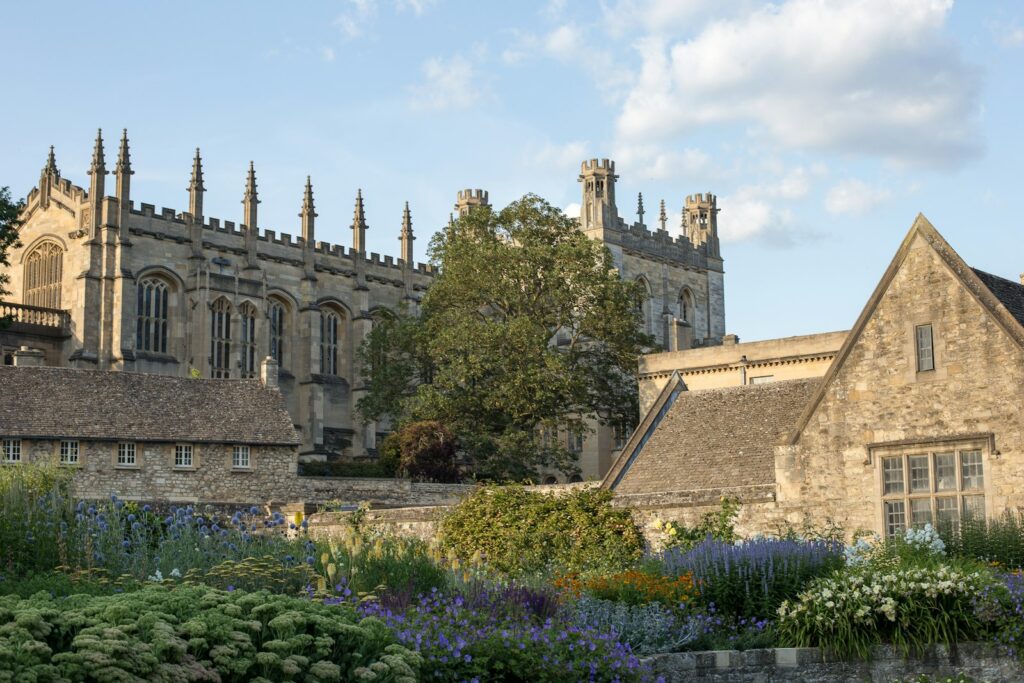
At Christ Church, the fan-vaulted staircase in Bodley Tower is the one Harry and the first-years climb on their way to their Sorting. The present stairs date from 1805, beneath a vaulted ceiling of 1638. At the top is the college’s Great Hall, the inspiration for the Hogwarts dining hall that was recreated on set at Leavesden. As a working dining hall it closes for meals and events, so check visiting times.
A few minutes’ walk away, the Bodleian Library’s fifteenth-century Divinity School served as the Hogwarts hospital wing, and it later hosted McGonagall’s dance lesson in Goblet of Fire. Entry requires a ticket, and the Bodleian’s guided tours carry on to Duke Humfrey’s Library upstairs. To see both properly, we recommend a guided Harry Potter walking tour of Oxford led by a local guide.
Steam Railways: Glenfinnan and Goathland
Glenfinnan Viaduct and the Jacobite
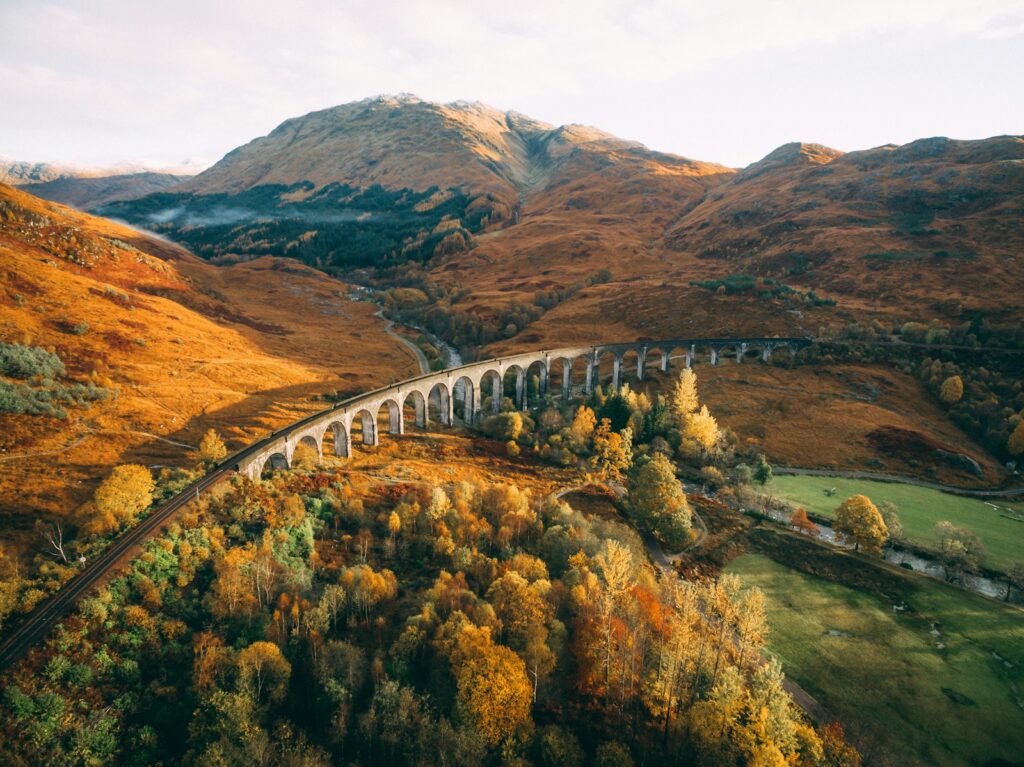
The curving, 21-arch Glenfinnan Viaduct in the West Highlands is the image most people picture when they think of the Hogwarts Express. It features in Chamber of Secrets, when Harry and Ron fly the Ford Anglia alongside the train, and in Prisoner of Azkaban, when the Dementors board. Loch Shiel, below the viaduct, is where Buckbeak skims the water in the same film.
You can ride the line yourself on the Jacobite steam train from Fort William to Mallaig, operated by West Coast Railways. It is seasonal, typically running from late spring to the end of October, so check West Coast Railways for this year’s dates. Seats sell out, so book as soon as dates are released: browse Jacobite steam train experiences. For the Caledonian Sleeper and other rail journeys, see our guide to luxury train travel in Scotland.
Goathland, North Yorkshire Moors Railway
On the heritage North Yorkshire Moors Railway, little Goathland station played Hogsmeade station in Philosopher’s Stone. It is also the village from TV’s Heartbeat. Steam trains run between Pickering and Whitby in season, so a day here can end with fish and chips by the sea. Timetables vary year to year, so check the railway’s own website before you plan.
London Locations
- King’s Cross: The films used the real station, with the Platform 9¾ scenes shot on platforms 4 and 5. Today a half-vanished luggage trolley on the concourse makes a free photo spot, beside the Harry Potter Shop at Platform 9¾. Queues build quickly, so go early.
- Leadenhall Market: The Victorian covered market in the City stood in for the streets around Diagon Alley in Philosopher’s Stone, and a blue door in Bull’s Head Passage was the entrance to the Leaky Cauldron.
- Millennium Bridge: The steel footbridge between St Paul’s and Tate Modern is destroyed by Death Eaters in the opening of Half-Blood Prince.
Round off the day with a dinner from our guide to Michelin-starred dining in London.
The Warner Bros. Studio Tour London
No Potter pilgrimage is complete without the Warner Bros. Studio Tour London, The Making of Harry Potter, at Leavesden, about 20 miles north-west of central London. It is the best way to see the Great Hall set, Diagon Alley and the vast Hogwarts model used for exterior shots. Tickets are timed and must be booked in advance: there are no sales on the door, and popular dates sell out weeks ahead. If you would rather not drive, a Studio Tour ticket with return transport from London takes care of the logistics.
The New HBO Series
A new chapter is on the way. HBO’s television adaptation began filming in summer 2025, based at Warner Bros. Studios Leavesden, where the films were made. HBO has announced that the first season, Harry Potter and the Philosopher’s Stone, is set to arrive on HBO and HBO Max from Christmas 2026, and a second season based on Chamber of Secrets has been commissioned. Location work around Britain has been widely reported, but few sites have been officially confirmed, so treat any “new filming location” claims with caution until the show airs. Expect interest in the original locations, and in the wider Wizarding World, to rise once it does.
Where to Stay
London: St Pancras London
Next door to King’s Cross, the Gothic Revival St Pancras London (formerly the St Pancras Renaissance, now part of Marriott’s Autograph Collection) is a theatrical base. Film fans may recognise its station frontage: it stood in for the exterior of King’s Cross in Chamber of Secrets.
Oxford: Old Parsonage Hotel
A short walk from the colleges, the Old Parsonage Hotel is a seventeenth-century house with around 35 rooms, a library and the Parsonage Grill.
Near Lacock: Lucknam Park
A short drive from Lacock and Bath, Lucknam Park is a Palladian country house hotel with a spa and Restaurant Hywel Jones, which holds a Michelin star. For more Cotswold options, see our 10 boutique hotels in the Cotswolds.
York, for Goathland: Grays Court
Tucked against the city walls beside York Minster, Grays Court is a family-owned historic house with 12 bedrooms and the Bow Room restaurant, which holds three AA Rosettes.
Durham: Lumley Castle
For a night in a real fourteenth-century castle, Lumley Castle Hotel sits just outside Chester-le-Street, a short drive from Durham Cathedral.
Near Alnwick: Doxford Hall
About 15 minutes north of Alnwick, Doxford Hall Hotel & Spa offers a country-house stay with an indoor pool and spa, ideal for the castles and coast.
Glenfinnan: Glenfinnan House Hotel
Reopened in 2024 after a major refurbishment, Glenfinnan House Hotel sits on the shore of Loch Shiel, close to the viaduct. For grander Highland stays, see our castle stays in Scotland.
A Ten-Day Route from London to the Highlands
- Days 1 to 2, London: King’s Cross, Leadenhall Market and the Millennium Bridge, then a timed visit to the Studio Tour.
- Day 3, Oxford: Christ Church in the morning, the Divinity School after lunch.
- Days 4 to 5, Wiltshire and Gloucestershire: Lacock Abbey and village, then Gloucester Cathedral, with nights at Lucknam Park.
- Day 6, York and the moors: Train north to York, then a day on the North Yorkshire Moors Railway via Goathland.
- Day 7, Durham: The cathedral cloisters and Chapter House, with a night in a castle.
- Day 8, Northumberland: Alnwick Castle and broomstick training, then the coast.
- Days 9 to 10, the West Highlands: Travel via Edinburgh to Fort William, ride the Jacobite over the Glenfinnan Viaduct and spend a final night by Loch Shiel.
Because Alnwick and the Jacobite are seasonal, this route works best from late spring to early autumn.
FAQs
Was the Great Hall filmed at Christ Church?
No. Christ Church’s Great Hall inspired the Hogwarts hall, which was built as a set at Leavesden. The college’s staircase, however, was used for filming.
When does the Jacobite steam train run?
It is seasonal, usually from late spring to the end of October. Check West Coast Railways for confirmed 2027 dates and book early.
Do I need to book the Studio Tour in advance?
Yes. Tickets are timed and sold online only, with no tickets on the door.
Let Us Plan Your Film Lover’s Britain
Tell us your dates and we will design a seamless journey through Britain’s most magical filming locations, with timed tickets, steam trains and characterful stays arranged for you.
Leave a Reply