Category: Train Journeys

  • Rannoch Moor and the West Highland Line: Britain’s Last Wilderness by Train

    Rannoch Moor and the West Highland Line: Britain’s Last Wilderness by Train

    North of Glasgow, the West Highland Line leaves the lochs behind and strikes out across Rannoch Moor, a vast, roadless sweep of bog, lochan and sky that you can only really reach by train.

    Why Rannoch Moor by Train?

    Most visitors to the Highlands see Rannoch Moor from the A82, a quick glimpse of water and heather on the way to Glencoe. The railway takes a very different line. It swings east, away from the road, and crosses the heart of the moor, roughly 50 square miles of peat bog, scattered lochans and granite boulders ringed by distant mountains. For long stretches there is no road, no house and no signal, just the train, the deer and the weather.

    That is what makes this a true Places Less Visited journey. You can step off at stations with no public road, eat a two-rosette dinner beside a platform on the edge of nowhere, and walk out into a landscape that feels unchanged for centuries.
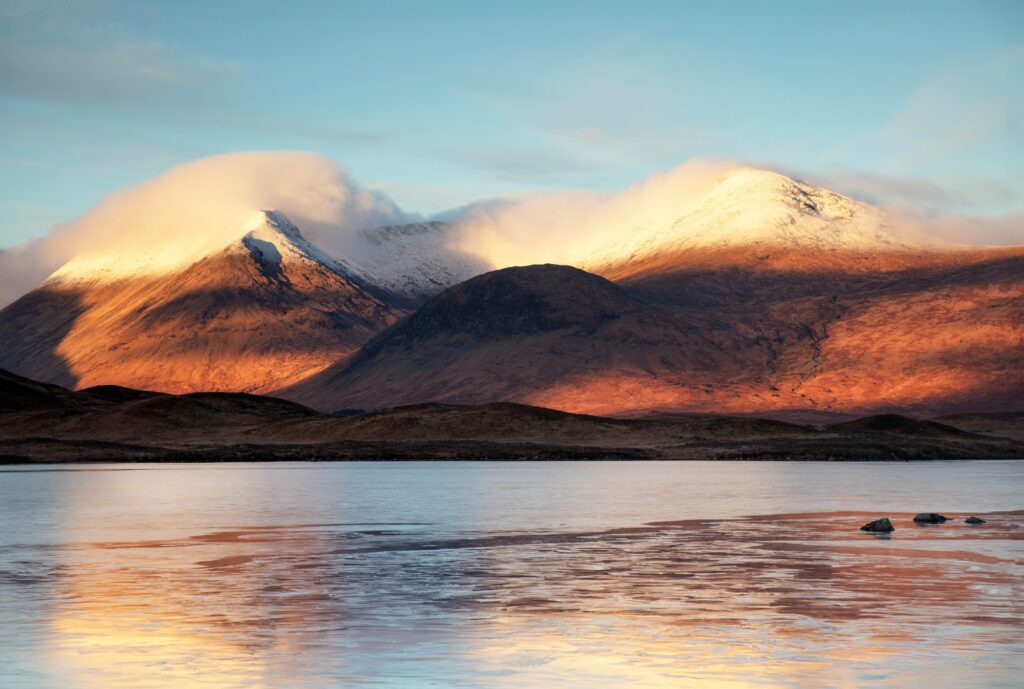
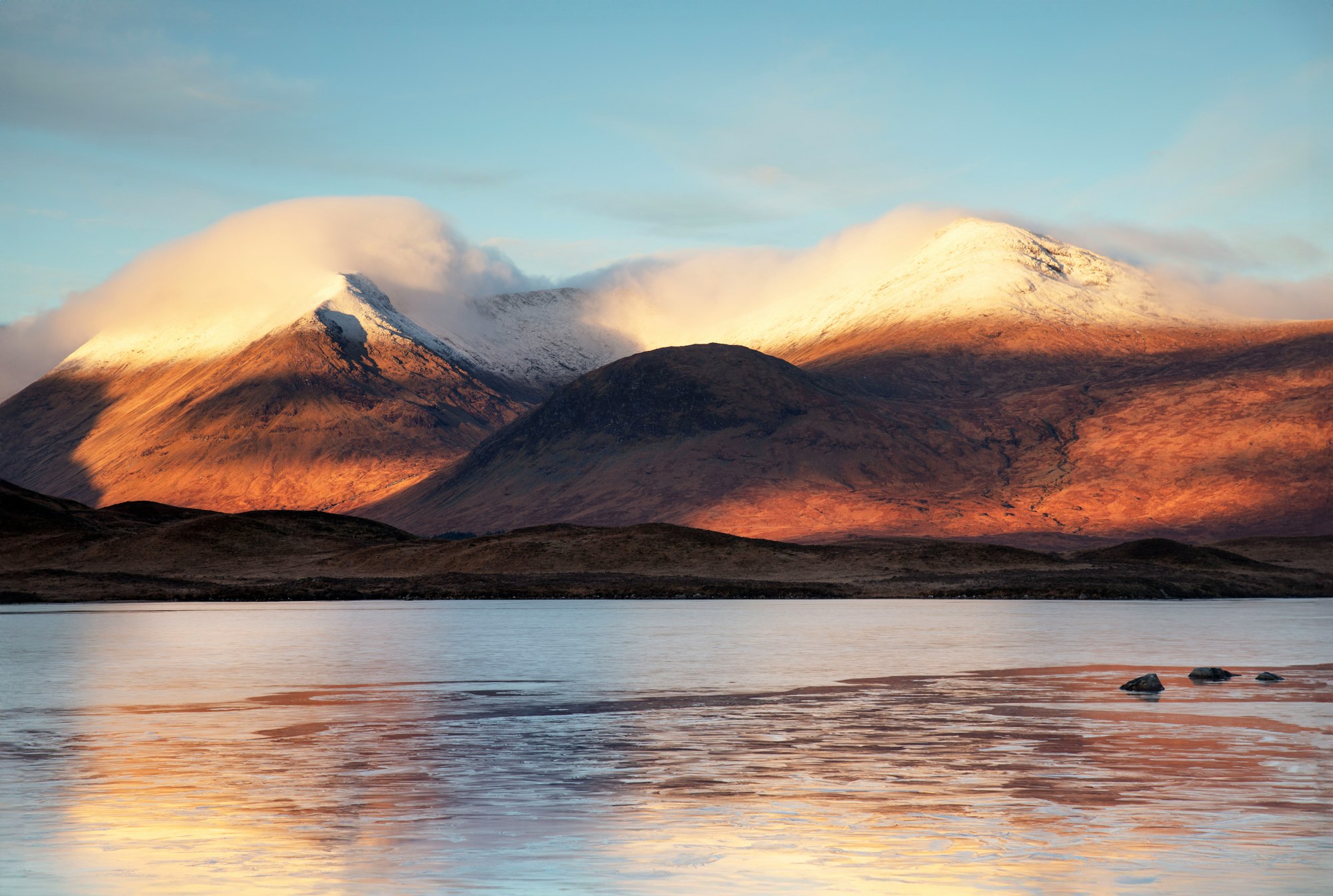
    Snow-capped hills of the Black Mount lit at sunrise and reflected in a lochan on Rannoch Moor in winter
    The line strikes out across Rannoch Moor, miles from the nearest road. Photo: martin bennie / Unsplash

    A Railway Floated on a Bog

    The West Highland Railway opened between Glasgow and Fort William in 1894, with the extension to Mallaig following in 1901. Crossing Rannoch Moor was the great engineering puzzle. The peat was too deep to reach solid ground, so the builders floated the track on a mattress of tree roots, brushwood and thousands of tons of earth and ash. It still carries trains today.

    The work nearly broke the company. As the brushwood raft kept sinking, money ran short, and the line was rescued when one of its directors, James Renton, put part of his own fortune into the project. At the north end of the platform at Rannoch station you can still see a head carved in stone by the navvies in his honour.

    Just north of Rannoch, the train crosses the Rannoch Viaduct, a curving lattice-girder structure of nine spans resting on granite piers, around 684 feet long and the longest viaduct between Craigendoran and Fort William.

    The Journey: What You See from the Train

    The full run from Glasgow Queen Street to Fort William takes about three and three-quarter hours, and around five and a quarter hours if you continue to Mallaig. The scenery builds steadily:

    • The Clyde and the sea lochs: Out past Helensburgh, the line climbs above the Gare Loch and Loch Long.
    • Loch Lomond: A long, wooded stretch high above the loch’s northern reaches towards Ardlui.
    • The Horseshoe Curve: Beyond Tyndrum, the line loops around the base of Beinn Dorain on a great curve and viaduct, a favourite moment for photographers.
    • Rannoch Moor: After Bridge of Orchy, the trees fall away and the moor opens out, with Rannoch station and its viaduct at the centre.
    • Corrour: The summit of the line, then down beside the long, steep-sided waters of Loch Treig.
    • Monessie Gorge: The River Spean churns through a rocky gorge just below the line, after Tulloch.
    • Onwards to Mallaig: From Fort William, the Glenfinnan Viaduct, Loch Eilt and the white sands of Arisaig lead to the sea views of the Small Isles.

    Which side to sit

    Heading north from Glasgow, the usual advice is to sit on the left-hand side for the Horseshoe Curve, Loch Treig and Monessie Gorge; coming south, choose the right. Loch Lomond is visible from both sides at different moments, so do not worry too much there. Note that the train reverses at Fort William, so if you continue to Mallaig you will need to swap sides to keep the best views. Seat reservations cannot specify a side, so pick your spot once aboard if the carriage allows.

    Tip: Tickets cannot be bought at Rannoch or Corrour stations. Book in advance or buy from the guard on board.

    Corrour: Britain’s Most Remote Mainline Station

    At around 1,340 feet above sea level, Corrour is the highest mainline railway station in the UK, and it has no public road access. The only vehicle route is a long private estate track, so for almost everyone, arriving means stepping off a train into total silence. Film fans will recognise it: Corrour and the nearby hill of Leum Uilleim appear in Trainspotting (1996), in the scene where the friends head to the countryside and Renton delivers his famously unflattering verdict on being Scottish.

    Beside the platform, the estate’s Station House runs as a restaurant with rooms, open seasonally from roughly the end of March to the end of October. Next door, the old signal box, a listed building, has been converted into three en-suite double rooms with a sitting room in the former lookout. Staying here, with the last train gone and stars over the moor, is the whole point.

    Walking from Corrour to Loch Ossian

    From the station, a good estate track leads about a mile east to Loch Ossian, where Hostelling Scotland runs an eco-hostel powered by solar and hydro. The circuit of the loch is about nine miles on largely level tracks, with woodland at the far end and the mountains of the Ben Alder range around you. Stronger walkers can tackle the Munros above the loch, or walk between Rannoch and Corrour stations and catch the train back. Carry a proper map, waterproofs and food: there is nothing out here, and the weather changes quickly. We recommend an OS Explorer map of Rannoch Moor and Ben Alder and a compass even on the easy loop.
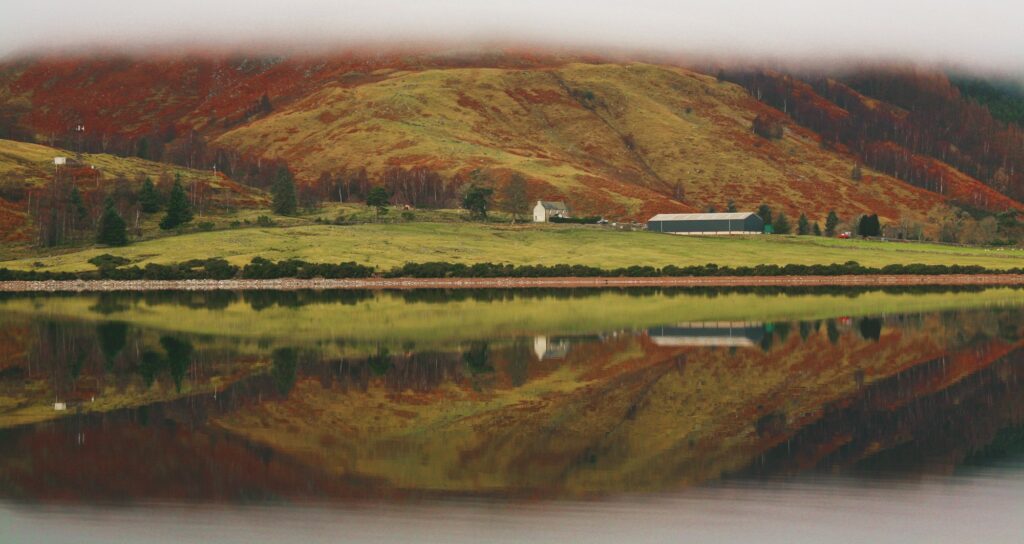
    A calm Highland loch reflecting autumn hillsides, with a house and woodland on the far shore
    Loch Ossian, a short walk from Corrour station and a world away from everything else. Photo: Konrad Hofmann / Unsplash

    Wildlife and the Best Light

    Red deer are the stars of the moor, often seen grazing close to the line or silhouetted on a ridge. Autumn, when the stags roar during the rut, is especially atmospheric. Rannoch Moor is a Site of Special Scientific Interest and a Ramsar wetland, home to rare plants such as the Rannoch-rush. A good pair of compact binoculars transforms the journey.

    When to go

    • May and June: Long, luminous evenings and fresh green on the moor, generally before the worst of the midges.
    • September and October: Russet bracken and deer grass, the rut, and low golden light. Our favourite season for photography.
    • Winter: Snow-dusted mountains and dramatic skies, but very short days and many places closed. Ideal for a cosy night or two if you plan carefully.

    ScotRail and the Caledonian Sleeper

    ScotRail runs the day trains between Glasgow Queen Street, Fort William and Mallaig, typically three a day in each direction, with fewer on Sundays, calling at Rannoch and Corrour.

    The most romantic approach is the Caledonian Sleeper from London Euston to Fort William, which runs Sunday to Friday nights and calls at Rannoch and Corrour. You fall asleep in the city and wake to the moor sliding past the window, arriving at Corrour mid-morning and Fort William soon after. Choose a Club en-suite or a Caledonian Double for a private shower and breakfast. For more on the sleeper and other rail journeys, see our guide to luxury train travel in Scotland.

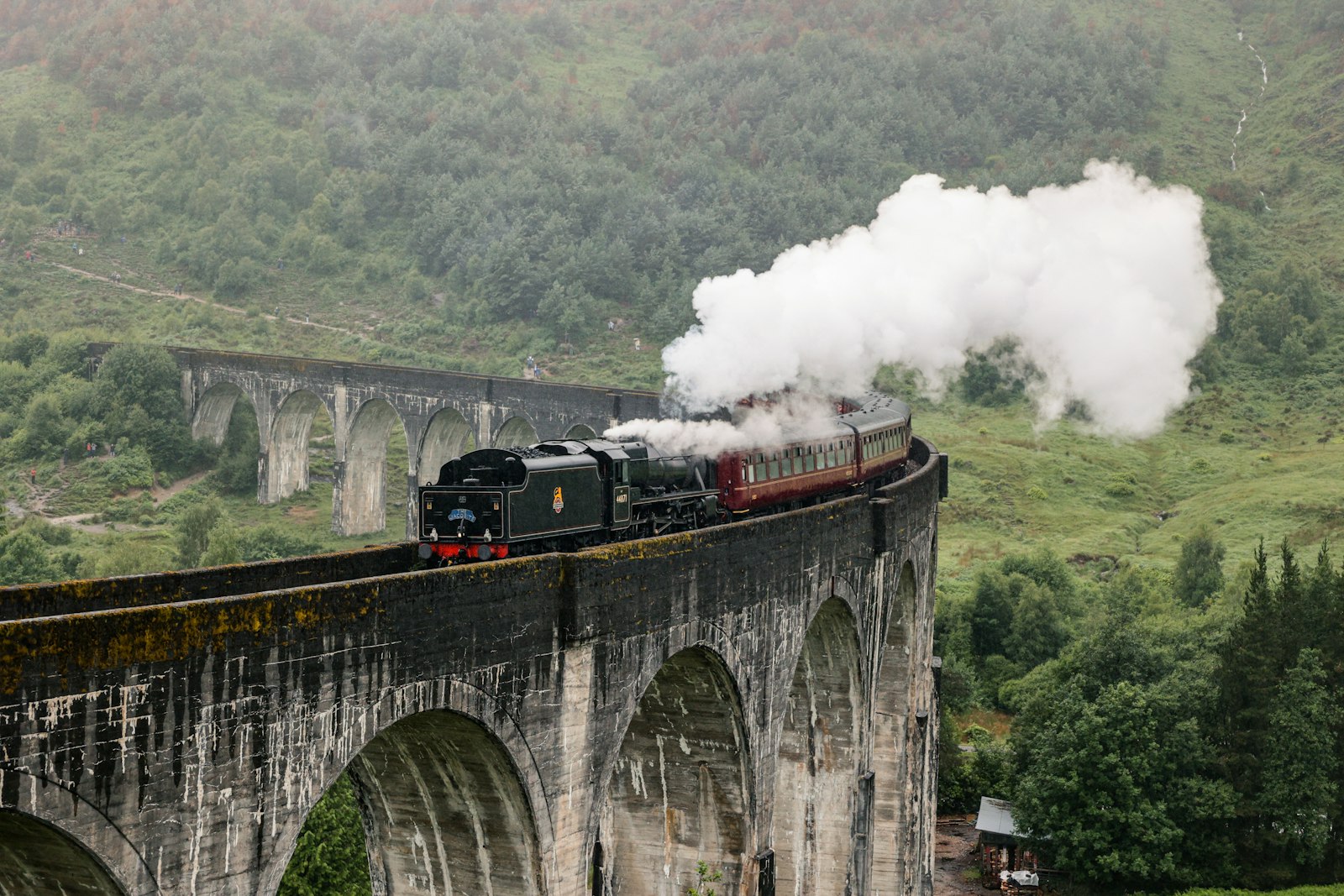
    If you would like to add steam to the trip, the seasonal Jacobite steam train runs between Fort William and Mallaig over the Glenfinnan Viaduct from spring to autumn. See Jacobite steam train and Glenfinnan experiences, or pair the railway with a guided Glencoe and Rannoch Moor day tour to see the western edge of the moor from the road.

    Where to Stay Along the Route

    Moor of Rannoch Restaurant & Rooms, Rannoch Station

    Steps from the platform, Moor of Rannoch is one of the most characterful small hotels in Scotland: five en-suite rooms, lounges with wood-burning stoves, and a daily-changing dinner menu from a kitchen holding two AA Rosettes, built on foraged and local produce. There is no TV, no wifi and barely any mobile signal, which is exactly why guests love it. It is seasonal, usually open from mid-February to late November, so check dates before you plan.

    Corrour Station House and Signal Box

    For the most remote night of your trip, book the Signal Box rooms at Corrour, with dinner in the Station House. The estate also lets a handful of renovated nineteenth-century cottages for longer stays. Book directly with Corrour Estate; availability for the following season is usually released in late summer.

    Inverlochy Castle, near Fort William

    To end in style, Inverlochy Castle sits about three miles outside Fort William, at the foot of the mountains in grounds with a loch. Expect classic country-house luxury, three AA Rosettes and polished service, a perfect counterpoint to the wild moor. For more grand stays, see our guide to castle stays in Scotland.

    A Three-Day West Highland Rail Escape

    Day 1: London to Corrour by sleeper

    Board the Caledonian Sleeper at Euston and wake to Rannoch Moor. Step off at Corrour, drop your bags at the Signal Box, and walk the Loch Ossian circuit. Dinner at the Station House as the light fades.

    Day 2: Corrour to Rannoch

    Take a short morning train back to Rannoch (or walk between the stations if you are experienced and the weather is kind). Find the Renton head on the platform, then settle in for dinner at Moor of Rannoch.

    Day 3: Over the summit to Fort William

    Ride north past Corrour, Loch Treig and Monessie Gorge to Fort William, sitting on the left. Check in at Inverlochy Castle for afternoon tea and a final night of comfort, or continue to Mallaig for the sea.

    FAQs

    Can you drive to Corrour station?

    No. There is no public road; access is by train or on foot, with only a private estate track for vehicles. That remoteness is the appeal.

    How long is the train from Glasgow to Fort William?

    About three hours and 45 minutes on ScotRail, with around another hour and a half to Mallaig.

    Which side of the train is best?

    Sit on the left heading north from Glasgow and on the right heading south. Swap sides at Fort William if continuing to Mallaig.

    Are Rannoch and Corrour open all year?

    The stations are, but accommodation is largely seasonal. Moor of Rannoch and the Corrour Station House both close for part of the winter, so check before you travel.

    Let Us Plan Your Wilderness Rail Journey

    Tell us your dates and we will craft a seamless West Highland Line itinerary, with sleeper cabins, remote stays and a castle finale.
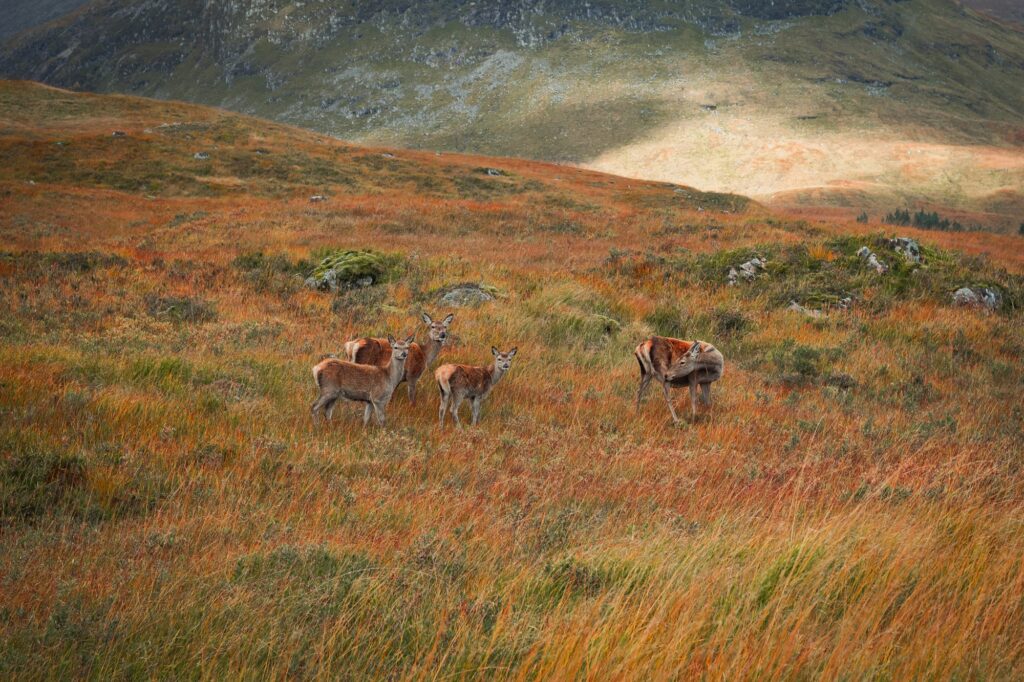
    Red deer grazing on russet autumn moorland in the Glen Coe area of the Scottish Highlands
    Red deer and the evening train: Rannoch Moor at its most magical. Photo: Anna Saveleva / Unsplash
  • Luxury Train Travel in Scotland: The Ultimate Guide

    Luxury Train Travel in Scotland: The Ultimate Guide

    Experience Scotland in motion: where elegance meets adventure aboard the country’s most storied luxury trains.

    Why Luxury Rail in Scotland?

    Scotland rewards the traveler who slows down. Luxury rail transforms logistics into theatre: mahogany dining cars, tartan-trimmed cabins, crystal stemware clinking as lochs and glens unfurl outside your window. Rather than racing from A to B, you inhabit the journey, savouring shifting light, dramatic skies, and the quiet rhythm of the rails.

    For discerning guests, rail solves two problems elegantly: it reduces packing and unpacking while reaching remote corners without the fatigue of driving. Compared to domestic flights, you trade queues for conversation; compared to self-drive, you swap navigation for narration, curated excursions with historians, ghillies, or estate caretakers who bring Scotland’s soul to life.

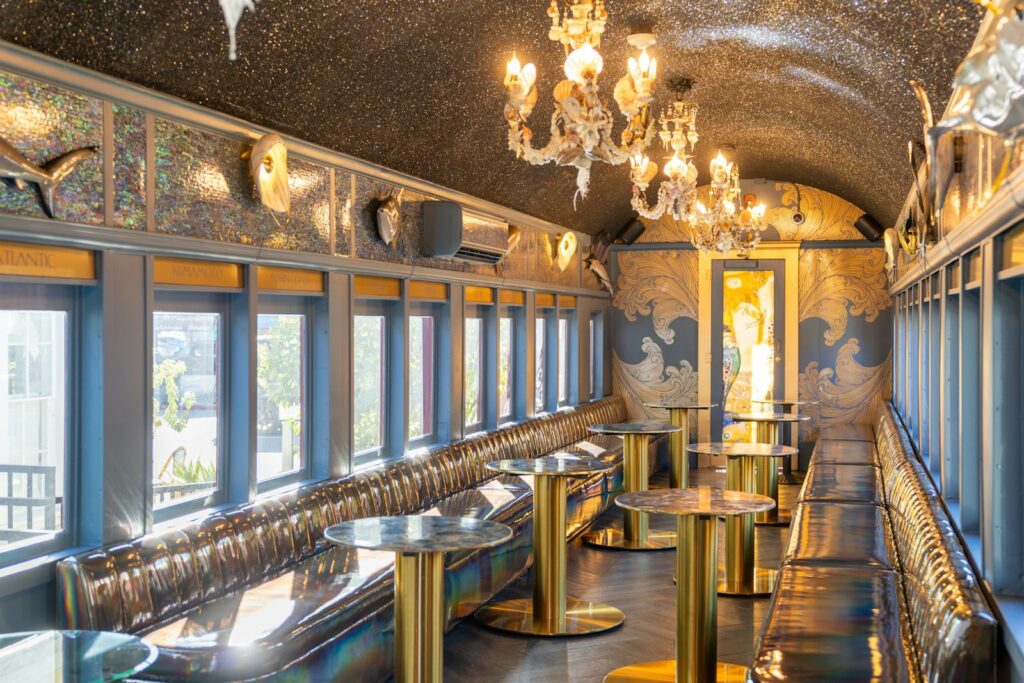
    Elegant seating and vintage chandeliers inside a restored luxury railway carriage
    Scottish heritage meets timeless elegance on board. Photo: Peter Muniz / Unsplash

    The Belmond Royal Scotsman

    The Belmond Royal Scotsman is Scotland’s flagship luxury sleeper, intimate by design, typically welcoming around three dozen guests, so service feels personal and unhurried. Interiors whisper Edwardian glamour: polished wood, soft tartans, antique brass, and the kind of craftsmanship that makes the train feel like a rolling country house.

    Departures typically begin at Edinburgh Waverley, with seasonal routes that weave through Highland passes, sea-scoured coasts, and private estates. It’s less a transfer than a curated sequence of landscapes, table-side stories, and fireside drams.

    Signature Itineraries

    • The Highlands (2, 3 or 4 nights): Castles, a distillery or two, and a celebratory onboard pace, the classic introduction to the train.
    • The West Coast (3 nights): A sweep of lochs, Atlantic light, and mountain drama, often with coastal touches.
    • Heritage Homes & Gardens (4 nights): Private access to historic houses and gardens, made for culture lovers.
    • Scotch Malt Whisky Tour (4 nights): Distillery visits and tastings for serious whisky lovers.
    • Grand Tour of Scotland (7 nights): The full circuit, layering Highlands, coast, culture, and gastronomy.
    • A Taste of Scotland with Tom Kitchin (2 nights): A food-led journey with the celebrated Edinburgh chef.

    Tip: For first-timers, 3-4 nights balances richness with flexibility; connoisseurs often opt for the longer circuits.

    Life On Board

    Cabins: Compact, refined, and all en-suite, with mohair or tweed textiles and turn-down service from attentive stewards. You’ll sleep to the whisper of rails and wake to tea at your door.

    Dining: Multi-course menus champion Scotland’s larder, west-coast shellfish, Highland venison, seasonal berries, paired with thoughtful wines and, naturally, exceptional whisky.

    Wellness: The Dior Spa carriage (a rarity in Europe) offers treatments as the countryside glides by, an almost dreamlike indulgence after a windswept estate walk. Treatments may carry a charge, so confirm when booking.

    Atmosphere: Evenings gravitate to the observation car: a softly lit salon for live music, storytelling, or quiet conversation as the sky fades to pewter and gold.

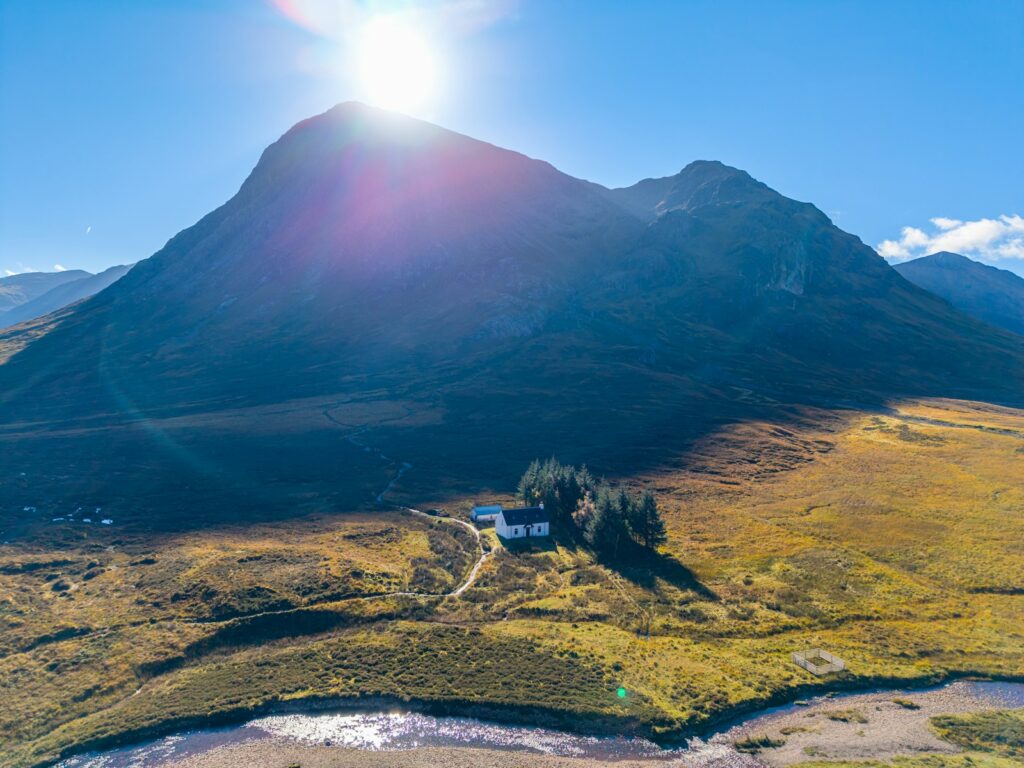
    Golden evening light over a remote mountain glen with a white cottage beside a stream
    Golden hour, a Highland horizon, and a well-poured dram. Photo: Shai Pal / Unsplash

    Curated Excursions

    • Castles & Estates: From manicured gardens to ancestral halls, private access turns history tactile.
    • Whisky Distilleries: Speyside stalwarts and craft producers alike, tastings, blending notes, and the lore behind the label.
    • Nature Walks: Moorland trails, river glens, and wildlife viewpoints led by expert guides.
    • Living History: Battlefield narratives, standing stones, and small museums that anchor the landscape in story.

    Booking & Practicalities

    • Seasonality: Roughly April to October, when daylight and routes are at their best; the train does not run in winter.
    • Lead Time: With limited cabins, popular dates can sell a year in advance, secure early.
    • Inclusions: All meals, a selection of drinks, onboard entertainment, and the itinerary’s excursions are included; gratuities and travel insurance are extra.
    • Solo Travel: All cabins are designed for two, so ask about solo pricing.

    Other Premium & Scenic Rail Options

    Caledonian Sleeper

    An elegant overnight between London and Scotland with private rooms, including the en-suite Club En-suite and Caledonian Double. It’s not a full luxury product like the Royal Scotsman, but it dovetails beautifully with a high-end itinerary, West End curtain call one night, Highland sunrise the next. Prefer daylight? The LNER Highland Chieftain runs from London to Inverness by day, with First Class and Highland views.

    Belmond Britannic Explorer

    Launched in 2025, Britain’s first luxury sleeper for England and Wales carries around three dozen guests on three-night journeys to Cornwall, the Lake District, and Wales, with menus by Simon Rogan. It is the natural partner to the Royal Scotsman for a wider British tour.

    Heritage & Scenic Day Trains

    • The Jacobite Steam Train: The cinematic crossing of Glenfinnan Viaduct, pure nostalgia and an icon for photographers. It runs Fort William to Mallaig in summer and early autumn; confirm dates with West Coast Railways.
    • West Highland Line: Regular service, extraordinary scenery; often ranked among the world’s most beautiful rail journeys.
    • Kyle Line: Inverness to Kyle of Lochalsh, coast to coast, and a natural link to Skye.
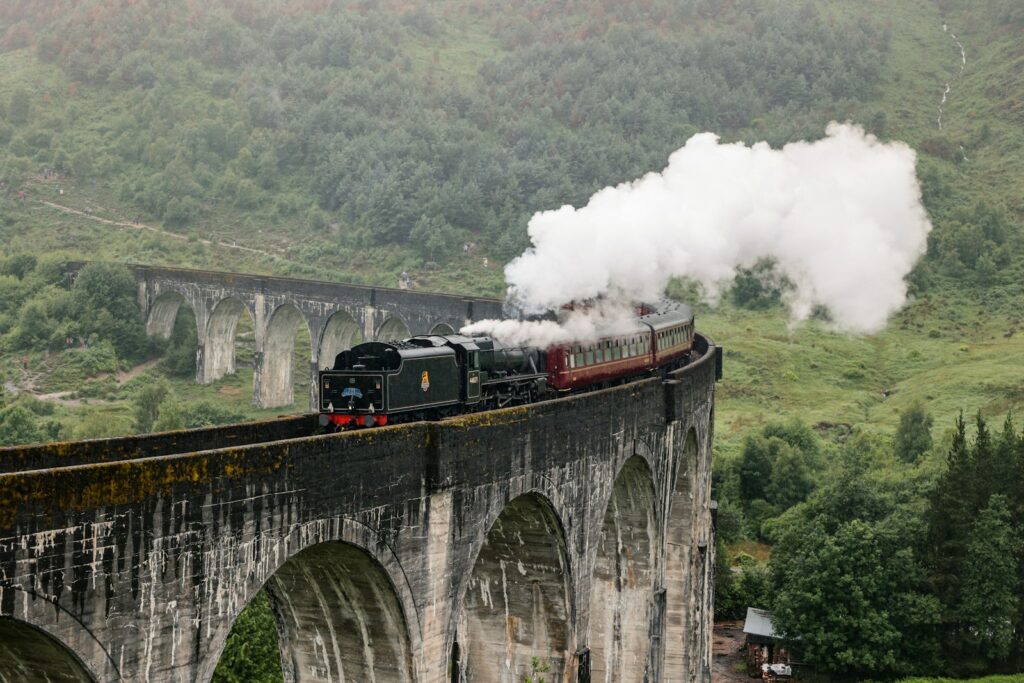
    The Jacobite steam locomotive crossing the Glenfinnan Viaduct in the Scottish Highlands
    The Jacobite over Glenfinnan: a postcard come to life. Photo: Joss Broward / Unsplash

    When to Travel

    May-September offers long days, lush hills, and the broadest choice of excursions. April and October can be sublime, quieter, softer light, though more weather-sensitive. The Royal Scotsman does not run in winter, when storms and short daylight constrain routing.

    Booking tip: aim for shoulder weeks (late May, mid-September) for golden light and fewer crowds.

    Planning Tips

    Trip Design

    • Duration: 2-3 nights for a highlight; 4-5 for depth; 7 for a signature odyssey.
    • Pairings: Pre/post stays at The Balmoral (Edinburgh), Inverlochy Castle (Fort William), or Gleneagles (Perthshire).
    • Transfers: Private drivers maintain the tone and keep schedules effortless.

    Packing & Dress

    • Smart-casual layers, plus a dark suit, tuxedo, kilt or evening dress for the formal night
    • Waterproof shell + sturdy walking shoes
    • Compact luggage (storage is efficient, not vast)
    • Camera, binoculars, slim daypack

    Accessibility & Comfort

    Excursions can include uneven ground and stairs; let us tailor alternatives if mobility is limited. Cabins are beautifully appointed but intimate, good design mitigates space, but pack with intention.

    Sample Itineraries

    A) 2-Night “The Highlands”

    Day 1: Depart Edinburgh; welcome reception, dinner, and a gentle run north as golden light settles over the Forth.

    Day 2: Castle/estate visit and a Speyside tasting; return to a convivial evening in the observation car.

    Day 3: Breakfast and a scenic southbound glide to Edinburgh.

    B) 4-Night “The Highlands”

    Day 1: Edinburgh → Cairngorms via the Forth Bridge and lochside curves.

    Day 2: Gardens, castles, and a private estate lunch.

    Day 3: Distilleries and wilderness walks; optional spa on return.

    Day 4: Coastal panoramas and farewell dinner; disembark following morning.

    C) 7-Night “Grand Tour of Scotland”

    The full Scottish circuit, from Highland glens to the west coast, with the Highland heart of the journey at its core. For England and Wales, pair it with the Belmond Britannic Explorer.

    Inspired to Ride the Rails in Style?

    Tell us your dates, interests, and style, then let’s craft your perfect Scottish rail journey.

    Know Before You Go

    • Capacity: Small guest numbers mean intimacy, and limited availability. Plan ahead.
    • Weather: Mist and rain are features, not bugs; they make the light painterly (pack accordingly).
    • Connectivity: Embrace partial disconnection; it’s part of the luxury.
    • Extras: Spa services and some specialist experiences are additional.
    • Solo: Cabins are designed for two; ask about solo pricing.

    FAQs

    How far in advance should I book?

    For peak months, 9-12+ months is prudent; signature cabins can sell even earlier.

    Is there a dress code?

    Smart casual for most dinners, with one formal evening where a dark suit, tuxedo, or kilt is advised.

    Can you accommodate dietary needs?

    Yes, share preferences or restrictions in advance and the culinary team will craft suitable menus.

    Will I get seasick-style motion?

    Unlikely. The rail motion is gentle; if you’re sensitive, choose a mid-train cabin and bring standard remedies.

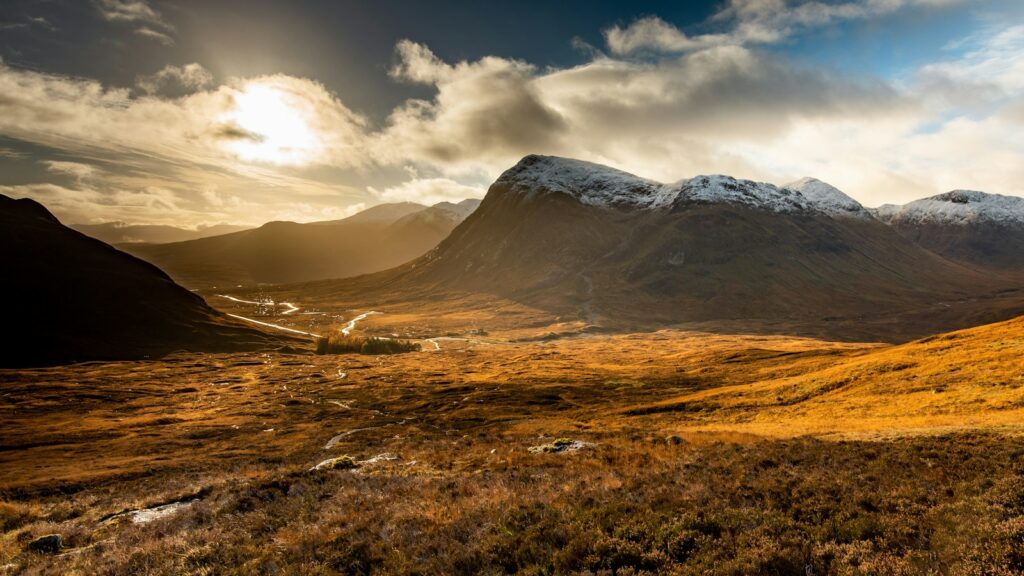
    Soft early light over the mountains of Glencoe in the Scottish Highlands
    Scotland in motion: where the journey becomes the destination. Photo: Carl Jorgensen / Unsplash