Tag: trail-scotland

  • Castle Stays in Scotland: Living Like Royalty

    Castle Stays in Scotland: Living Like Royalty

    Turrets, tapestries, roaring fires, and the easy grace of Scottish hospitality, woven into every stay.

    Why Choose a Castle Stay?

    Staying in a Scottish castle isn’t just a tick-box, it’s a feeling. Stone steps polished by centuries, portraits whose eyes seem to follow, the hush of a library after dinner. Modern castle hotels blend this romance with comforts that make you exhale: four-poster beds, deep baths, quietly excellent service, and kitchens that celebrate Scotland’s larder. It’s immersive, evocative, and wonderfully restorative.
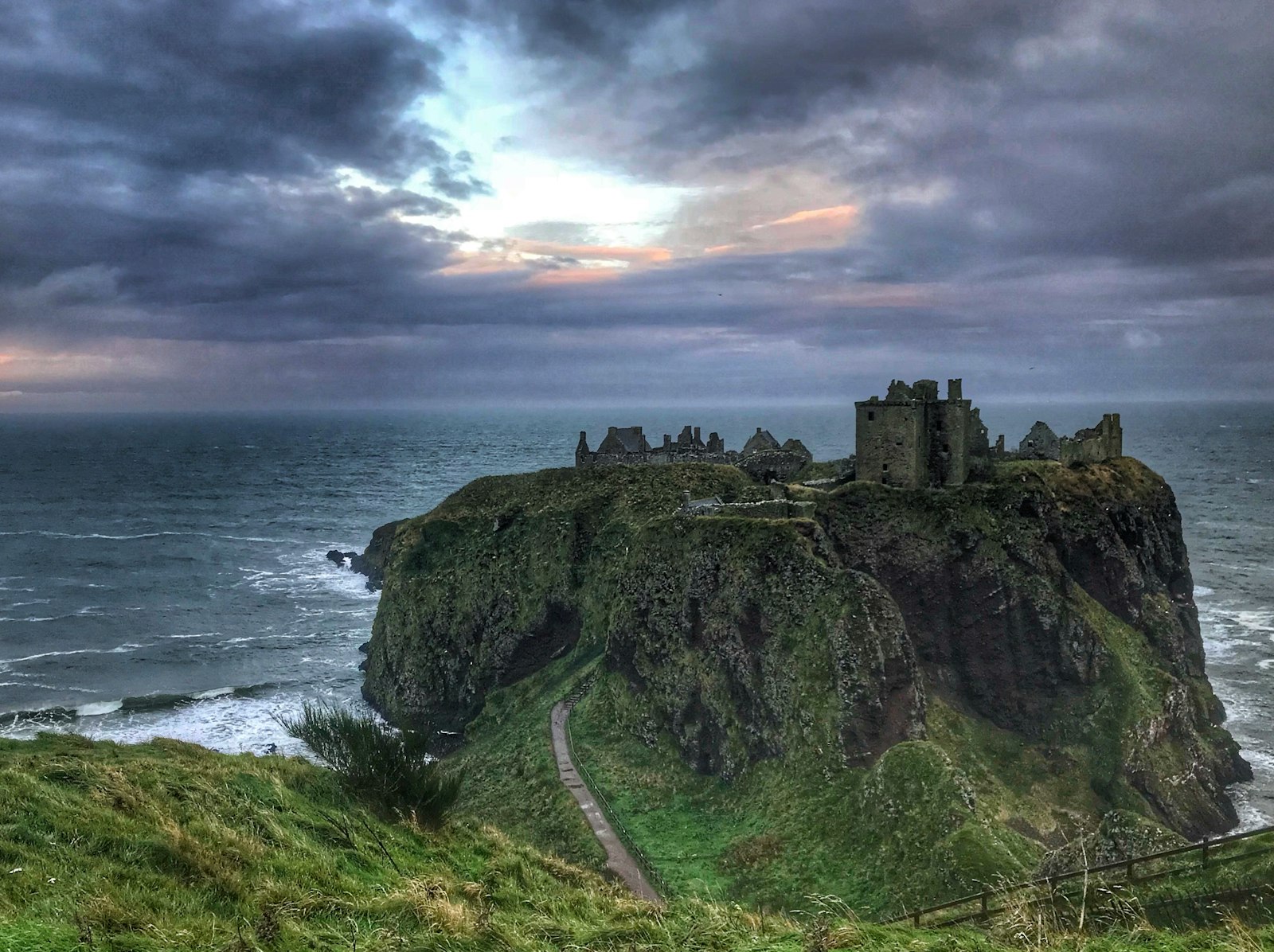
    Stone fireplace in the interior of a Scottish castle
    Firelight, a dram, and stories older than the beams overhead. Photo: Johnny Briggs / Unsplash

    Grand Castle Hotels (Full-Service)

    These storied addresses deliver the full country-house experience, fine dining, activities on the estate, and staff who make everything feel effortless. (Availability, dining formats, and amenities evolve, always check the latest details when you book.)

    • Inverlochy Castle (near Fort William), mountain-ringed romance at the foot of Ben Nevis; white-glove dining and tranquil lounges.
    • Glenapp Castle (Ayrshire), walled gardens, sea views, and boat trips to Ailsa Craig; a joy for nature lovers.
    • Crossbasket Castle (near Glasgow), lovingly restored grandeur, with Trocadero’s restaurant overseen by Michel Roux Jr, and riverside walks.
    • Dalhousie Castle (Bonnyrigg), spa, falconry, and a dungeon-set dining room just outside Edinburgh, freshly restored after a £6m refurbishment completed in 2026.
    • Fonab Castle (Pitlochry), a setting on Loch Faskally, contemporary touches, and a strong spa and dining scene.
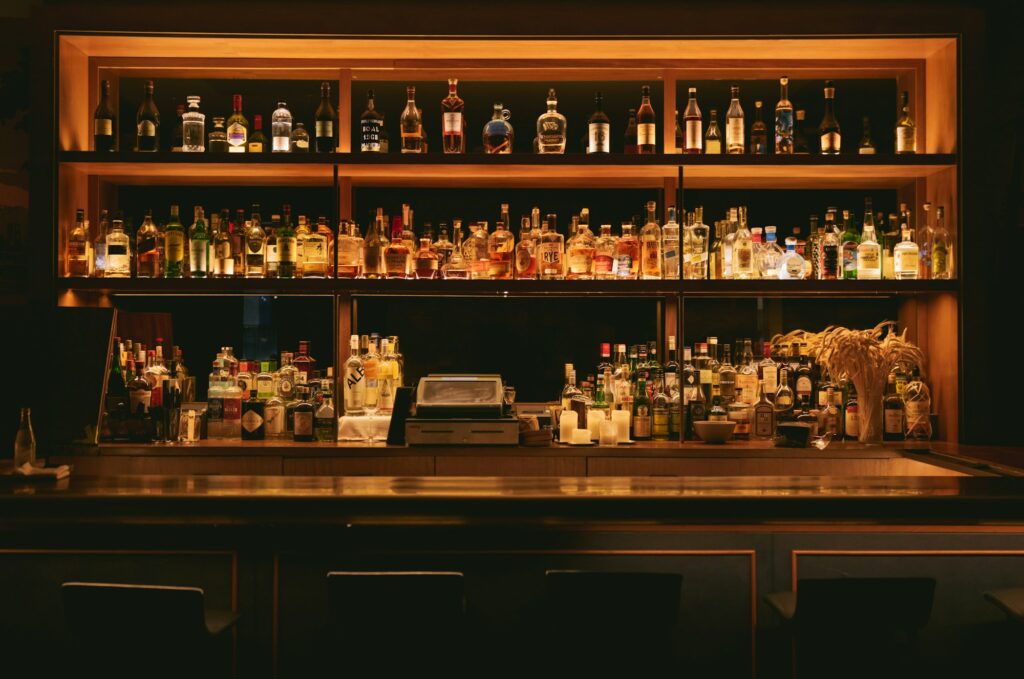
    • Dornoch Castle (Sutherland), atmospheric rooms near a soaring cathedral; excellent whisky bar.
    • Barcaldine Castle (Argyll), intimate “Black Castle” with loch and hill views; perfect for quiet escapes.
    • Stonefield Castle (Knapdale), Victorian baronial charm and gardens tumbling to Loch Fyne.

    Private-Hire & Exclusive-Use Castles

    For celebrations and family gatherings, exclusive-use castles turn a trip into a legend. Think candlelit banquets, lawn games, and a house entirely to yourselves, with a butler to top up the Champagne.

    • Borthwick Castle (near Edinburgh), a 15th-century fortress with towering great hall; ideal for intimate groups.
    • Dundas Castle (South Queensferry), private estate minutes from the capital; polished events and serene rooms.
    • Skibo Castle (Carnegie Club, memberships), for the truly private escape; manicured grounds and legendary hospitality.
    • Aldourie Castle (Loch Ness), a restored exclusive-use castle for around 24 guests, with its own boathouse on the loch.
    • Ardross Castle (Easter Ross), the castle made famous by The Traitors, available for exclusive hire; ask about overnight stays.

    Note: Many exclusive-use properties require multi-night minimums and curated F&B, perfect for milestone birthdays and weddings.

    Stand-Out Suites & Rooms

    • The Queen’s Suite at Inverlochy Castle, named for Queen Victoria’s 1873 visit, a romantic retreat with garden views and generous proportions.
    • Grand Sea View Suites at Glenapp Castle, looking out to Ailsa Craig and Arran, with sea-air freshness and classic fabrics.
    • Castle Suites and Four-Poster Rooms at Dalhousie Castle, four-posters and stone embrasures for full medieval drama.
    • Castle Rooms and Lodges at Fonab Castle, traditional castle rooms or contemporary lodges by the loch.
    • The Breadalbane Room at Barcaldine Castle, with a four-poster bed made for Andrew Carnegie’s Skibo Castle.

    Signature Experiences

    • Falconry & Archery: Try your hand on the lawn with expert handlers.
    • Ghillie-led Fishing & Highland Walks: Estate guides share lore and the best quiet corners.
    • Boat Safaris: From Glenapp, trips out to the island of Ailsa Craig, weather allowing.
    • Whisky Evenings: Private tastings in a panelled library, Speyside sherry bombs to West-coast peat.
    • Castle Kitchens: From tasting menus to classic roast lunches; some offer foraging walks with the chef.

    When to Go

    May–September brings long evenings and garden colour; April and October mean softer light and calmer roads. Winter is glorious for fireside lounging and value, though daylight is brief and weather lively, perfect for a cocooning weekend with spa time and long lunches.

    Getting There & Getting Around

    • By rail: Edinburgh and Glasgow are excellent gateways; private transfers or a driver-guide complete the journey.
    • By car: If self-driving, we’ll map scenic routes (Glencoe, Cairngorms, the Argyll coast) and arrange effortless parking.
    • Driver-guides: Keep the mood easy, no single malts for the driver and no navigating for you.

    A 7-Day Castle Trail

    Day 1, Edinburgh Arrival → Dalhousie Castle

    Land in Edinburgh, then a short transfer to Dalhousie Castle. Drop your bags, book the spa, and walk the grounds before a candlelit dinner.

    Day 2, Whisky & Walls

    Morning archery or falconry; after lunch, a private tasting in the library. Optional half-day into the city for galleries and a dram on the Royal Mile.

    Day 3, North to the Highlands → Inverlochy Castle

    Scenic transfer via Stirling and Glencoe to Inverlochy Castle. Pause for photos in the pass. Dinner is white-tablecloth perfection.

    Day 4, Glen Nevis or Road to the Isles

    Choose a gentle glen walk with a guide or a coastal drive to Arisaig and silver-sand beaches. Return to the drawing room for tea and scones.

    Day 5, Perthshire Pause → Fonab Castle

    Roll east to Fonab Castle near Pitlochry. Spa, a stroll around Loch Faskally, and dinner at the 1892 Grill.

    Days 6 and 7, Ayrshire Finale → Glenapp Castle

    Allow most of the day for the drive south-west to Glenapp Castle, and stay two nights so there is time for a sea safari to Ailsa Craig (weather allowing). Toast the sunset over the Firth of Clyde before heading home via Glasgow.

    Design My Castle Journey

    Tell us your dates and style, romantic hideaway, family celebration, or friends’ house-party, and we’ll secure rooms, experiences, and elegant transfers.

    Packing, Dress & Etiquette

    • Smart-casual by day; many guests enjoy dressing up for dinner (jackets welcome, not mandatory).
    • Layers and waterproofs for gardens and coastal walks.
    • Leave space for souvenirs, castle shops and local makers are tempting.
    • Gratuities: discreet envelopes or at-table; we can advise customary amounts per property.

    FAQs

    How far in advance should I book?

    Peak summer and festive periods can sell out months ahead; shoulder seasons offer more flexibility and a beautiful light.

    Are castles suitable for families?

    Yes, many offer interconnecting rooms and lawn activities. For exclusive-use, we’ll tailor menus and timings around little ones.

    Can you accommodate accessibility needs?

    Historic buildings vary, tell us your requirements and we’ll match you with lifts, ground-floor rooms, and accessible paths.

    Is there a minimum stay?

    Some exclusive-use castles require 2–3 nights; most hotel-style castles are flexible. We’ll optimise stays for your route.
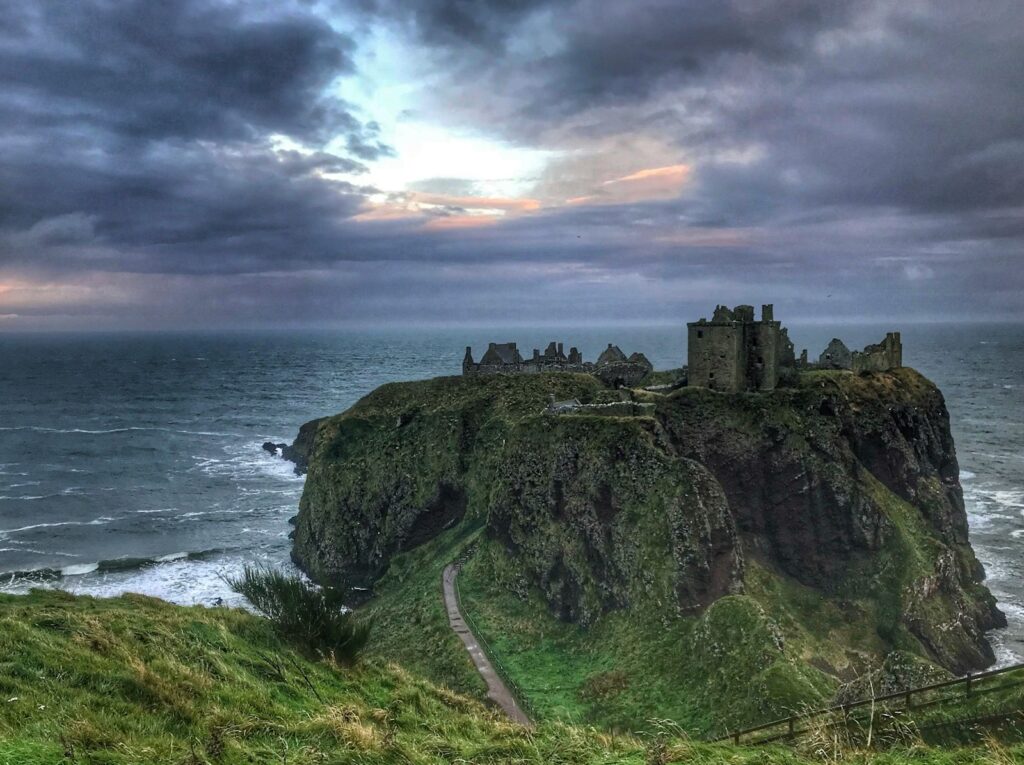
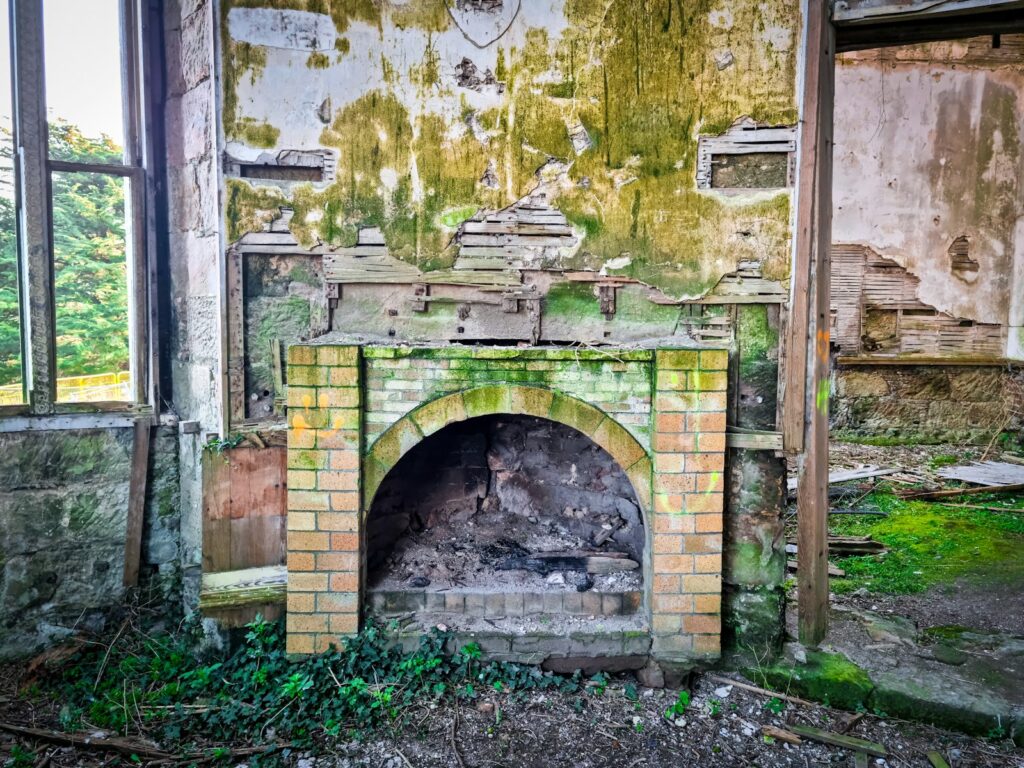
    Dunnottar Castle on its clifftop above the North Sea, Aberdeenshire
    Golden hour from the ramparts, Scotland wears twilight well. Photo: John Roberts / Unsplash
  • Isle of Skye Beyond the Crowds: the Fairy Glen and Quieter Corners

    Isle of Skye Beyond the Crowds: the Fairy Glen and Quieter Corners

    Skye rewards the traveller who arrives early, lingers late and turns down the road everyone else drives past, from the green hummocks of the Fairy Glen to the soft, wooded shores of Sleat.

    Why Skye Is Still Worth It

    Few Scottish islands carry quite so much romance. The Cuillin ridge, the basalt pinnacles of Trotternish and the long sea lochs make Skye one of the most photographed places in Britain, and in July and August its most famous viewpoints can feel more like a festival than a wilderness. Yet the island is large, and most visitors follow the same short circuit. Step a little sideways in time or place and Skye becomes what it always was: quiet townships, seals on the skerries, peat smoke on the air and light that changes every ten minutes.

    This guide, part of our Places Less Visited series, shows how to see the icons at gentler hours, where to go instead when the car parks overflow, and the handsome hotels that make a slower Skye stay a genuine pleasure.

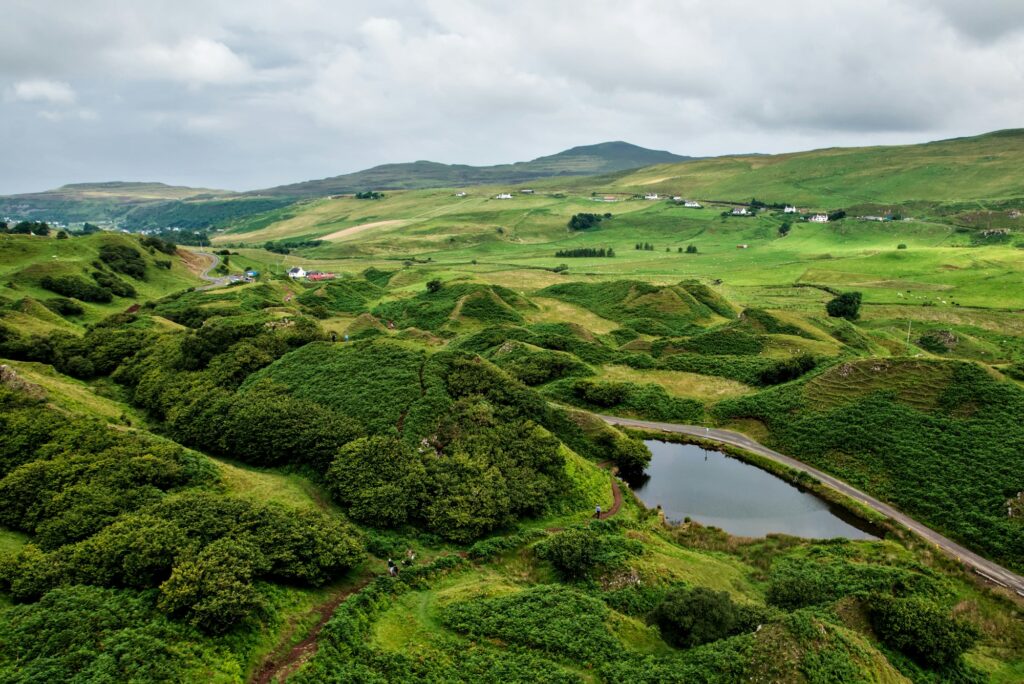
    Grassy cones, winding road and a small lochan in the Fairy Glen near Uig, seen from Castle Ewen, Isle of Skye
    The Fairy Glen at first light, before the day trippers arrive. Photo: Stefano Bucciarelli / Unsplash

    The Fairy Glen, Gently

    Tucked into the hills above Uig in northern Trotternish, the Fairy Glen is a miniature landscape of grassy cones, terraces and a small lochan, crowned by a rocky outcrop known as Castle Ewen. It is utterly charming and, because it is small, easily overwhelmed. Take the single-track road signposted to Sheader and Balnaknock, just south of Uig; the glen lies about a mile and a half along it, with a modest pay car park run by Highland Council. When it is full, park considerately in Uig and walk up rather than squeezing onto verges.

    A word on the stone spirals you may see in older photographs. They are not ancient and they are not a local tradition: visitors made them, and residents have repeatedly cleared away hundreds of stacked stones to protect the turf. Please do not build circles, stack cairns or add stones, and leave no coins or trinkets behind. The magic of the place is that it looks untouched.

    Tip: Arrive before 9am or in the last hours of a summer evening. Tour groups tend to come mid-morning, and the low light makes the little hills glow.

    The Famous Four, at Quieter Hours

    You need not skip Skye’s icons. You simply need to choose your moment, and know a calmer alternative when the timing will not work.

    Old Man of Storr

    The pinnacle above Loch Leathan draws the biggest crowds on the island. The car park is managed by Highland Council, with toilets and a visitor building, and charges apply (from about £6 for up to six hours under the tariff approved for April 2026). Walk up at dawn, when the sun rises behind the Storr and the path is near empty. If you would rather avoid it altogether, the coastline further north around Staffin offers sea cliffs and big views with far fewer people.

    Quiraing

    The landslip scenery here is extraordinary, and the pay car park on the pass fills quickly in summer. Go early, walk a short way along the path for the classic view, and come back down the single-track road before the coaches climb up. Weekdays outside the school holidays are noticeably calmer.

    Fairy Pools

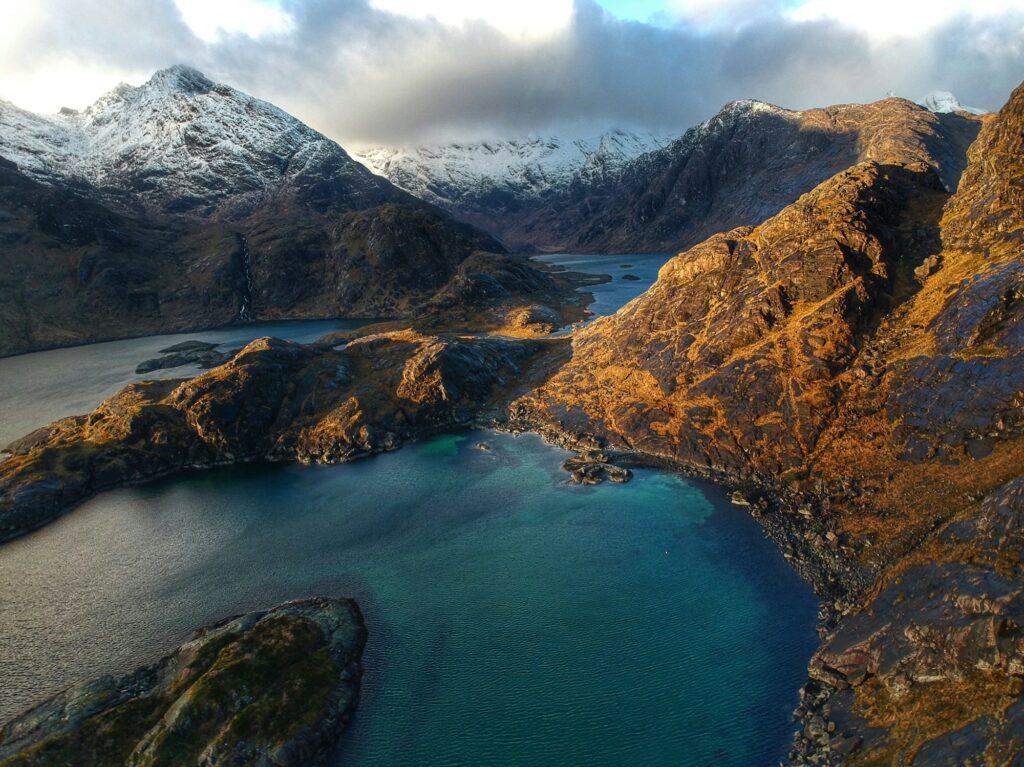
    The clear blue pools of Glen Brittle sit beneath the Cuillin, and the paid car park is operated by the Outdoor Access Trust for Scotland, which reinvests in the path. Visit early or after 5pm in summer. For a quieter Cuillin experience, take a boat trip from Elgol to Loch Coruisk, where the mountains rise straight from a freshwater loch reachable only on foot or by sea.

    Neist Point

    The lighthouse on Skye’s westernmost headland is a sunset favourite, so parking is tight in the evening. Try a bright morning instead, or watch the sun go down over the Outer Hebrides from the Waternish peninsula, described below.

    Quieter Corners Worth the Detour

    The Sleat Peninsula

    Skye’s southern arm is known as the Garden of Skye for its woodland and sheltered bays, and it is where many travellers arrive on the ferry from Mallaig. The minor road loop through Tarskavaig and Tokavaig delivers some of the finest Cuillin views on the island, with barely a car in sight. Armadale Castle, the ruined mansion and gardens long associated with Clan Donald, changed hands in early 2026, so check what is open before you go. Nearby, Torabhaig Distillery is a handsome stop for whisky lovers; our guide to private whisky distillery tours has more ideas.

    Waternish

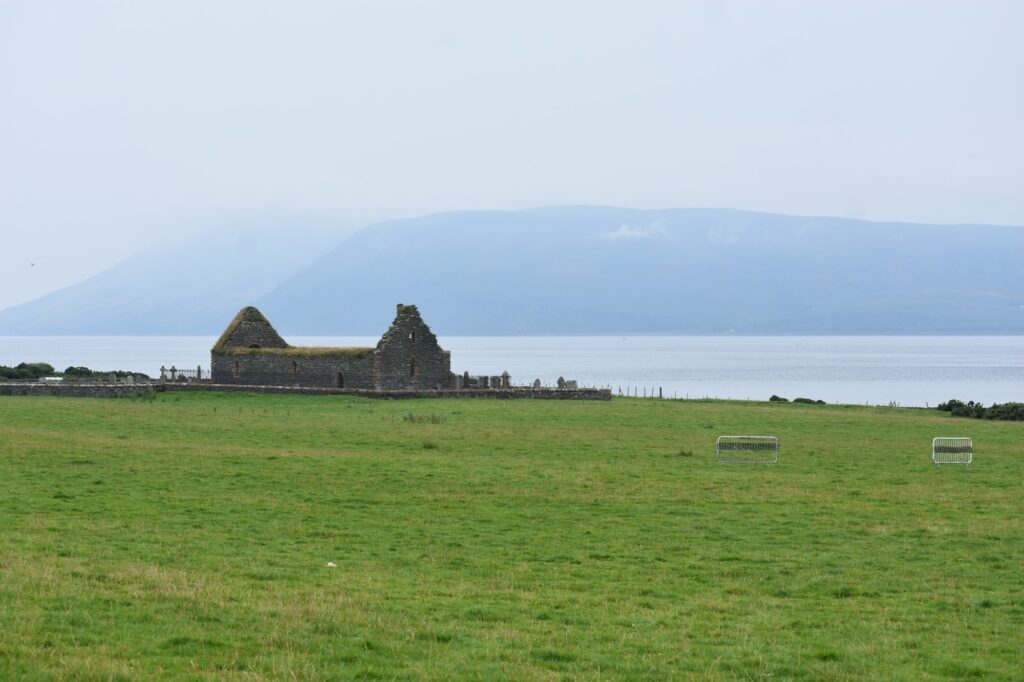
    This quiet peninsula between Loch Dunvegan and Loch Snizort feels a world away from Trotternish. The roofless medieval church at Trumpan, burned during a clan feud in 1578, stands on a headland looking west to the Outer Hebrides, and makes a moving place for sunset. From the church car park a longer walk heads out to Waternish Point. Finish at the Stein Inn on Loch Bay, often described as the oldest inn on Skye, for a dram by the fire.

    A Day on Raasay

    Skye’s long, slender neighbour is a 25-minute CalMac crossing from Sconser, and the route runs all year. Raasay offers empty roads, woodland and coastal walks, and the climb to the flat summit of Dun Caan, with views across to the Cuillin. The Isle of Raasay Distillery runs tours timed to fit the ferry; in the winter months it opens fewer days a week, so book ahead. Vehicle bookings on the ferry are strongly recommended in summer.

    Roofless stone ruin of Trumpan church in a grassy field above the sea in Waternish, Isle of Skye, with misty hills beyond
    Trumpan church, Waternish: a quieter place to watch the sun set over the Minch. Photo: Andrew Hall / Unsplash

    Where to Stay: Luxury on Skye

    Staying on the island, rather than visiting on a day trip, is the single best way to beat the crowds. All of the following were open and taking bookings when we last checked.

    • Kinloch Lodge (Sleat): a former hunting lodge on the shore of Loch na Dal, holding a Michelin Key and known for its restaurant. After more than five decades run by the Macdonald family, it passed in 2026 to the Wickman family, long-established Skye hoteliers.
    • Duisdale House (Sleat): a Victorian former hunting lodge with gardens running down towards the Sound of Sleat, part of the Sonas Collection, and well placed for the Mallaig ferry.
    • Skeabost House (near Portree): a Victorian lodge on the shores of Loch Snizort with its own nine-hole golf course and fishing on the River Snizort, also part of the Sonas Collection. Handy for Trotternish and the Fairy Glen.
    • The Three Chimneys & The House Over-By (Colbost, near Dunvegan): one of Scotland’s most celebrated restaurants, now part of The Wee Hotel Company, with six suites beside it on Loch Dunvegan. Ideal for Waternish and Neist Point at quieter hours.

    If you would like to add a night in a turreted castle on your way north or south, see our guide to castle stays in Scotland.

    Getting There, Parking and When to Go

    Bridge, rail and ferry

    Most travellers drive over the Skye Bridge from Kyle of Lochalsh, which has been toll-free since December 2004. For a more romantic arrival, take the CalMac ferry from Mallaig to Armadale in Sleat. CalMac advises booking ahead, even for foot passengers. Mallaig is also the end of the West Highland Line, so you can combine the crossing with a journey on the Jacobite steam train from Fort William; see our guide to luxury train travel in Scotland.

    Parking and roads

    • Expect pay parking at the main honeypots, including the Storr, Quiraing, Fairy Glen and Fairy Pools. Most machines take cards, but tariffs change, so check on arrival.
    • Many roads are single track. Use passing places to let others overtake, and never park in them.
    • Overnight parking in campervans is not permitted at many beauty spot car parks.
    • Carry a good map, as mobile signal is patchy in the north and west. An Ordnance Survey map of Skye is worth having for walks.

    Best seasons

    July and August are the busiest months. We love May and September for longer days and thinner crowds, with April and October close behind. Winter is wonderfully quiet and atmospheric, but daylight is short, weather can close roads and some attractions and boat trips pause, so check opening before you travel. In peak season, book hotels and dinner tables months ahead.

    Tip: Base yourself in two places, such as Sleat and the north-west, rather than driving the whole island from Portree. You will spend less time in the car and more time in the quiet hours.

    A Sample Quieter Day in the North

    1. Dawn: walk to the Old Man of Storr as the sun comes up, then breakfast back at your hotel.
    2. Mid-morning: drive the coast road past Staffin and Kilt Rock, pausing for views rather than queues.
    3. Lunch: a relaxed meal in Uig or Portree while the day trippers fill the Fairy Glen.
    4. Late afternoon: wander the Fairy Glen as the crowds thin and the light turns gold.
    5. Evening: cross to Waternish for sunset at Trumpan, then dinner at The Three Chimneys (book well ahead).
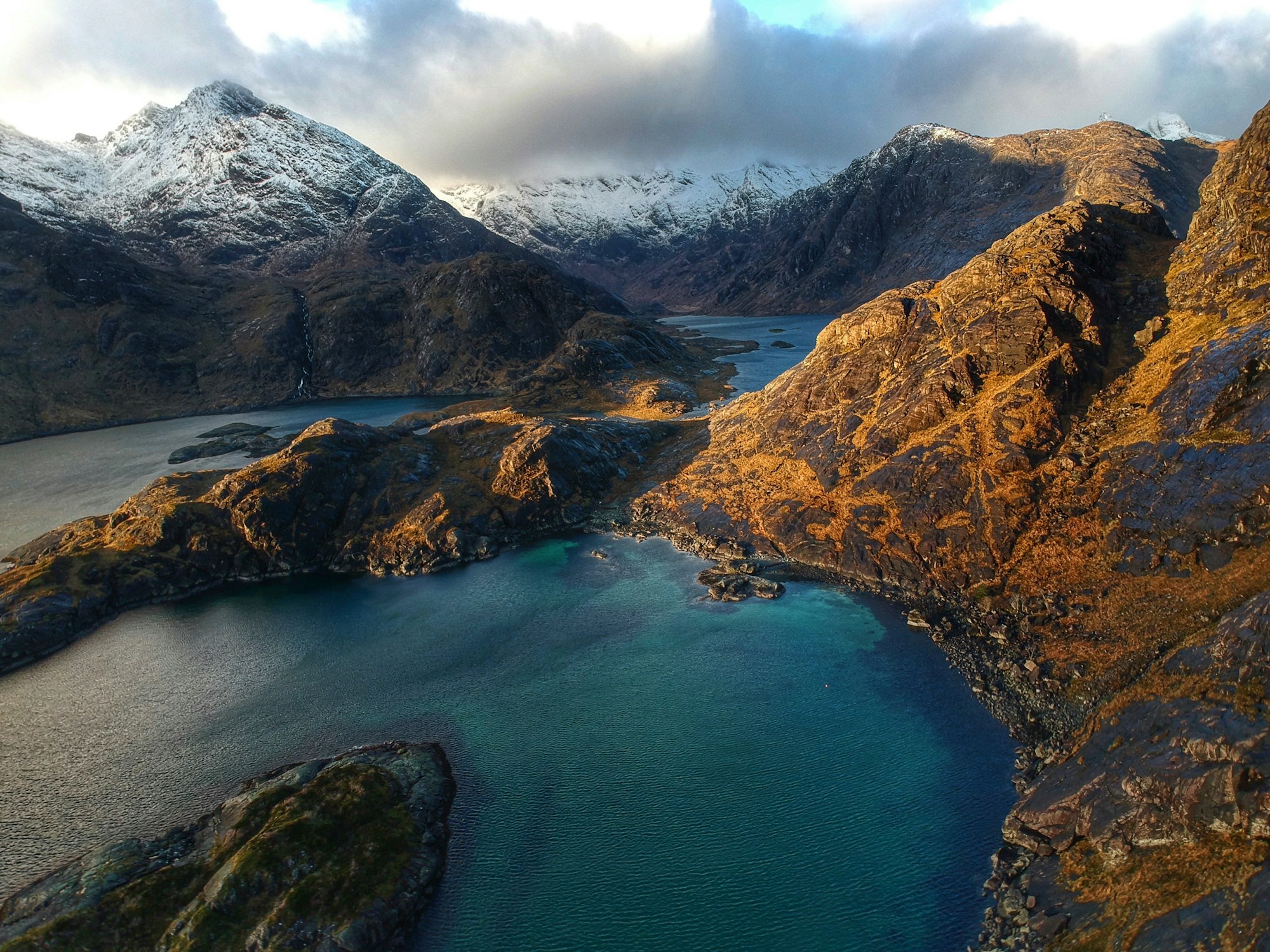
    Loch Coruisk and its rocky shores beneath the snow-dusted peaks of the Black Cuillin, Isle of Skye
    Loch Coruisk, reached by boat from Elgol: the Cuillin without the crowds. Photo: K B / Unsplash

    FAQs

    How many days do I need on Skye?

    Three nights is a sensible minimum, and four or five lets you explore Sleat, Waternish and Raasay at an unhurried pace, with flexibility for weather.

    Can I see Skye without a car?

    Yes. Arrive by train and ferry via Mallaig, or by train to Kyle of Lochalsh, then join a guided Skye tour or hire a private driver-guide. Buses exist but are limited, particularly outside summer.

    Is the Fairy Glen free to visit?

    There is no charge to enter the glen itself, but the car park is paid. Please keep to existing paths and leave the stones exactly where you find them.

    Is winter a good time to visit Skye?

    For solitude and moody light, yes. Pack for wind and rain, plan around short days, and confirm that hotels, restaurants, ferries and tours are operating on your dates.

    Let Us Plan Your Quieter Skye

    Tell us your dates and pace, and we will design a Skye journey around the best hotels, the right hours and the corners most visitors miss.

  • Outlander Locations in Scotland

    Outlander Locations in Scotland

    From the castle walls of Leoch to the haunted moor at Culloden, Scotland lets you step straight into the world of Outlander, and most of its finest locations lie within easy reach of Edinburgh.

    Why Follow the Outlander Trail Now?

    Few television series have done more to send travellers to Scotland. Over eight seasons, the Starz drama turned medieval tower houses, Fife villages and quiet country kirks into places of pilgrimage. The story of Claire and Jamie came to a close with the final episode of season eight in May 2026, and the prequel, Outlander: Blood of My Blood, which follows Jamie’s parents, has run for two seasons on Starz. Interest in the locations has rarely been higher.

    The good news is that the trail is wonderfully compact. Most of the key sites sit in West Lothian, Fife and the Stirling area, so you can see them without long drives, then head north through Perthshire to the real Culloden. Many are cared for by Historic Environment Scotland (HES) or the National Trust for Scotland (NTS), while others are private estates with their own rules, which we note below.

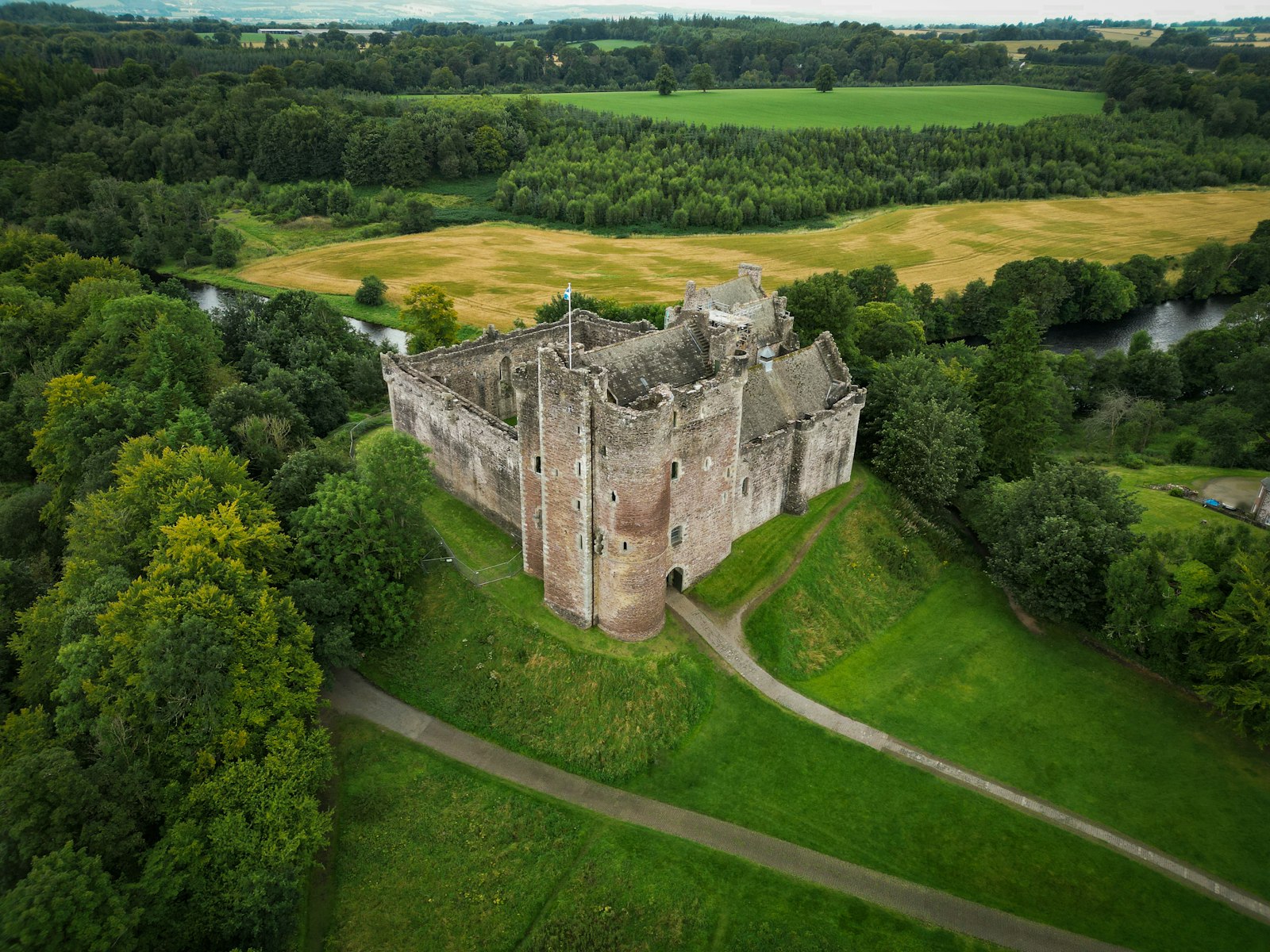
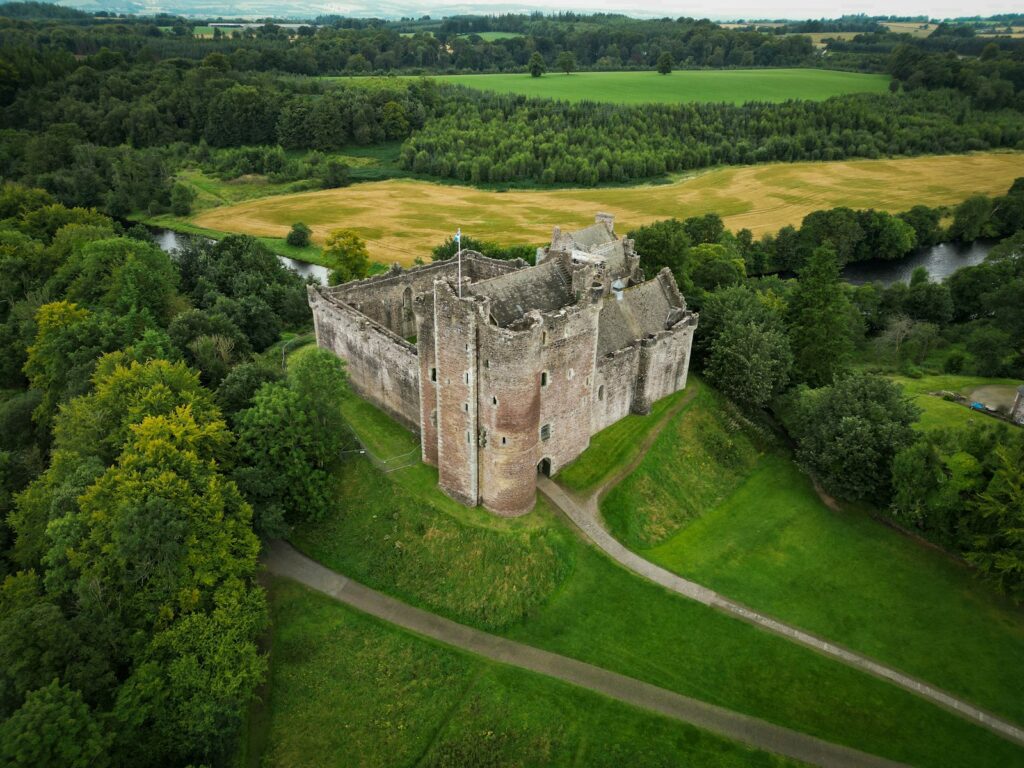
    Doune Castle's stone gatehouse and curtain wall above green grass, Stirlingshire
    Doune Castle, the series’ Castle Leoch and seat of the MacKenzie clan. Photo: Johnny Briggs / Unsplash

    The Key Filming Locations

    Doune Castle: Castle Leoch

    The fourteenth-century courtyard castle near Stirling is Outlander’s Castle Leoch, home of Colum MacKenzie, and it returned as Leoch for the second season of Blood of My Blood. Its great hall, kitchen and towering gatehouse are instantly recognisable, and fans of a certain comedy film will know it from Monty Python and the Holy Grail too. Run by: Historic Environment Scotland. Book timed tickets in advance in busy months.

    Midhope Castle: Lallybroch

    The roofless sixteenth-century tower house on the Hopetoun Estate is Lallybroch, the Fraser family home, and for many fans it is the emotional heart of the trail. Access is to the exterior only, as the interior is derelict and closed. The castle sits within a working farm, and the estate says access can be refused on some days for filming, farming operations, estate activities or large events. Grounds access tickets are sold separately from standard Hopetoun admission. Run by: the private Hopetoun Estate. Always check the estate’s Midhope access page before you set out.

    Tip: Midhope is reached along an estate drive, and access arrangements change. Confirm the current ticket and vehicle pass system with Hopetoun before travelling, or join a guided tour that has access arranged for you.

    Hopetoun House: the Duke of Sandringham’s Residence

    Just along the estate from Midhope, this grand Adam-style mansion overlooking the Firth of Forth was used as the Duke of Sandringham’s home and appears in several other scenes. Inside, the state rooms are among the most opulent in Scotland. Run by: the Hopetoun House Preservation Trust. The house opens seasonally, usually from early April to late September, Thursday to Monday; check dates before you go.

    Blackness Castle: Fort William

    Nicknamed “the ship that never sailed” for its prow-like shape jutting into the Forth, Blackness Castle played Fort William, Black Jack Randall’s headquarters, where Jamie is flogged in season one. It also returned for Blood of My Blood. Run by: Historic Environment Scotland.

    Linlithgow Palace: Wentworth Prison

    The roofless royal palace beside Linlithgow Loch, birthplace of Mary, Queen of Scots, provided the interiors and corridors of Wentworth Prison, scene of some of the series’ darkest moments. Run by: Historic Environment Scotland. Like several older HES sites, it can close at short notice for weather or safety, so check before visiting.

    Culross: Cranesmuir

    The cobbled lanes and ochre-harled houses of this seventeenth-century Fife burgh became Cranesmuir, the village where Geillis Duncan lives. The garden behind Culross Palace doubled as Claire’s herb garden at Castle Leoch. Run by: the National Trust for Scotland cares for the palace and several historic buildings. The palace is seasonal, so check the NTS website for opening dates.

    Falkland: 1940s Inverness

    In the very first episode, Falkland stands in for Inverness, where Claire and Frank take their second honeymoon in 1945. The exterior of the Covenanter Hotel plays Mrs Baird’s guesthouse, and the Bruce Fountain in the square is where Jamie’s ghost gazes up at Claire’s window. Falkland Palace, a Renaissance royal palace run by the National Trust for Scotland, makes a fine addition.

    Glencorse Old Kirk: the Wedding

    Jamie and Claire’s wedding in season one was filmed at this ruined kirk in the grounds of Glencorse House, south of Edinburgh near Penicuik. It is privately owned and visits are by appointment only through Glencorse House, so do not turn up unannounced.

    Craigh na Dun: Kinloch Rannoch

    The stones themselves are fictional: the circle on screen was a set of props placed on a hill on private farmland near Kinloch Rannoch in Perthshire. There is nothing to see on the hill today and it is not a visitor attraction, but the drive along Loch Rannoch is beautiful in its own right. If the wild country beyond appeals, our guide to Rannoch Moor and the West Highland Line explores the moor by train.

    Clava Cairns: the Inspiration

    Just east of Inverness, these Bronze Age burial cairns and standing stones, around 4,000 years old, are widely seen as a real-world echo of Craigh na Dun. They were not used for filming, but standing among the stones in the early morning, it is easy to see why fans make the journey. Run by: Historic Environment Scotland, free to visit.

    Culloden Battlefield and Visitor Centre

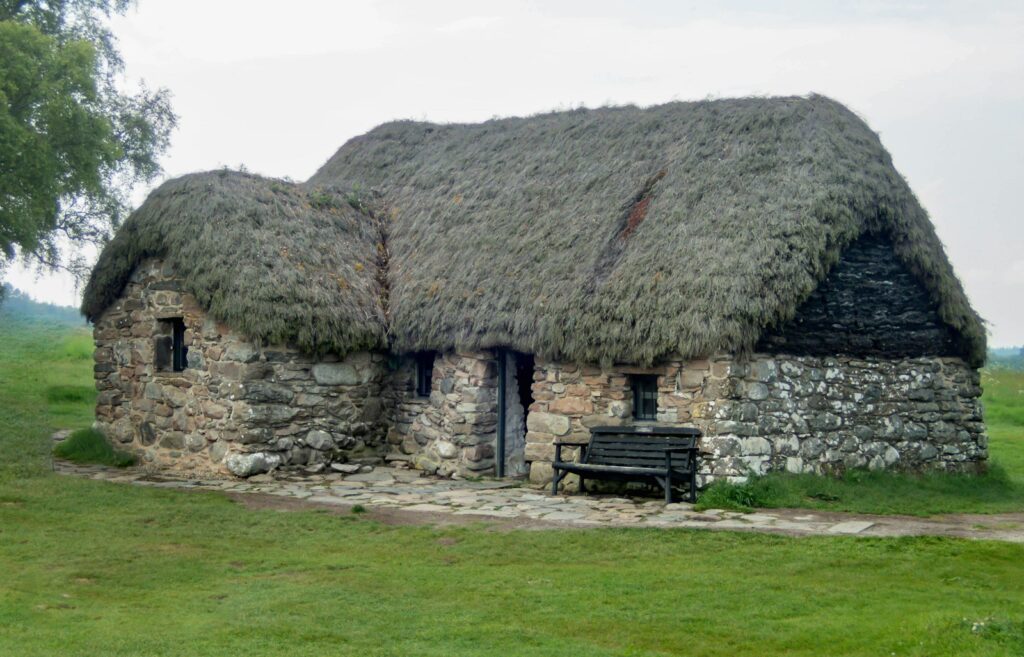
    Culloden is where the story’s great tragedy unfolds, and the real moor, where the Jacobite rising ended in April 1746, is profoundly moving. Out of respect for a site with war graves, the battle scenes themselves were filmed elsewhere, but nothing replaces walking among the clan markers here. The excellent visitor centre includes an immersive battle film. Run by: the National Trust for Scotland. The battlefield is open year round; NTS advises pre-booking the visitor centre.

    Leanach Cottage, a thatched stone cottage on Culloden battlefield near Inverness
    Leanach Cottage on Culloden Moor, the poignant heart of the Jacobite story. Photo: Ray Harrington / Unsplash

    A Three-Day Outlander Route from Edinburgh

    Day 1: Lallybroch and the Forth

    Leave Edinburgh for the Hopetoun Estate, touring the state rooms of Hopetoun House and walking up to Midhope Castle (access permitting). After lunch, continue west to Blackness Castle on the shore, then on to Linlithgow Palace for Wentworth’s shadowy corridors. If you have arranged a visit to Glencorse Old Kirk, it fits neatly into an arrival day or an extra morning south of the city. Return to Edinburgh for the night.

    Day 2: Fife Villages and Castle Leoch

    Cross the Forth to Culross for the Cranesmuir lanes and the palace garden, then drive on to Falkland for 1940s Inverness, the Bruce Fountain and Falkland Palace. In the afternoon, head west to Doune Castle and wander the great hall of Castle Leoch. Spend the night at a country house near Stirling or in Perthshire.

    Day 3: North to Culloden

    Take the A9 north into the Highlands. Allow time for a scenic detour along Loch Rannoch from Pitlochry if you want to see Craigh na Dun country, then continue to Inverness. Visit Clava Cairns in the late afternoon light and Culloden Battlefield before checking in for a final night in Inverness.

    Tip: Many sites are seasonal, and Hopetoun opens Thursday to Monday only. For the full trail with the houses and palaces open, plan your trip between April and September.

    Guided Outlander Tours

    If you would rather not drive, several operators run small-group and private Outlander tours from Edinburgh, many with Midhope access included. We recommend browsing Outlander filming location day tours from Edinburgh or, for a longer journey, multi-day Outlander tours from Edinburgh to the Highlands. In the north, a Culloden and Clava Cairns tour from Inverness pairs neatly with a Loch Ness cruise.

    Before you go, reread the novel that started it all: Diana Gabaldon’s Outlander makes the perfect companion for the journey.

    Where to Stay

    Edinburgh: Prestonfield House

    Theatrical, candlelit and wonderfully romantic, Prestonfield House is a seventeenth-century mansion set in parkland beneath Arthur’s Seat, with peacocks on the lawns and rich, jewel-coloured interiors. Jamie and Claire would feel quite at home.

    Edinburgh: The Balmoral

    For classic grandeur at the top of Princes Street, The Balmoral is Edinburgh’s landmark five-star hotel, with a spa and views over the Old Town and castle.

    Near Stirling: Cromlix or Gleneagles

    Close to Doune, Cromlix is an intimate Victorian country house hotel near Dunblane, owned by Sir Andy Murray, with its own chapel and lovely grounds. A little further north in Perthshire, The Gleneagles Hotel offers the full country estate experience, with golf, falconry, a spa and outstanding dining. For more grand stays, see our guide to castle stays in Scotland.

    Inverness: Rocpool Reserve

    Ending in the Highland capital, Rocpool Reserve is a stylish boutique hotel above the River Ness, a short drive from Culloden and Clava Cairns.

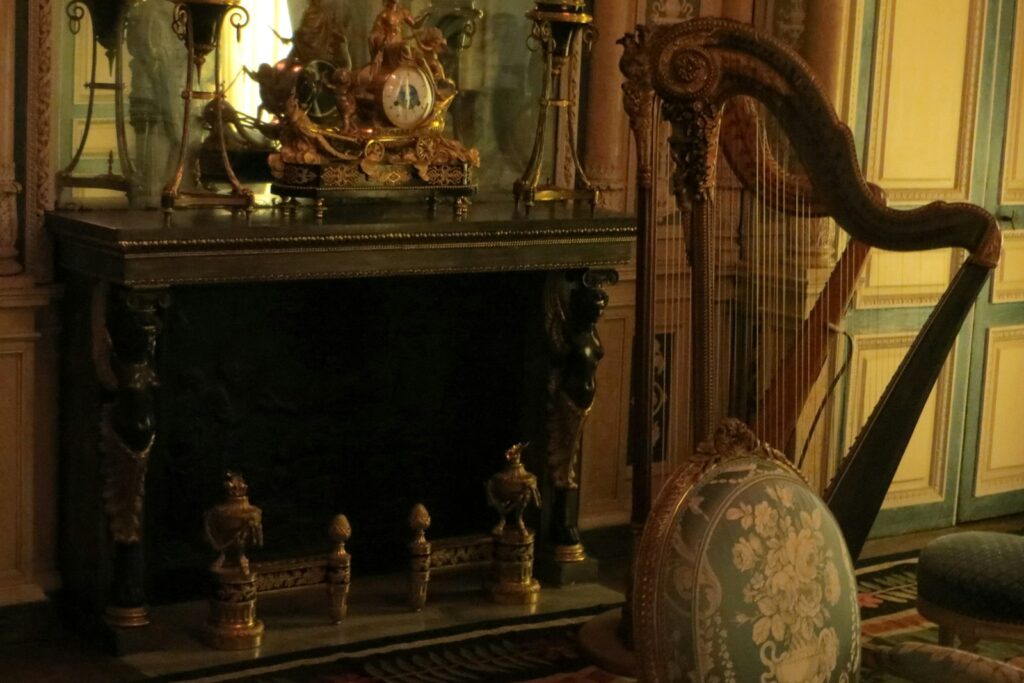
    A harp beside the fireplace in an elegant period drawing room
    Country house comfort to end each day on the Outlander trail. Photo: Lisa Yount / Unsplash

    FAQs

    Can you go inside Lallybroch?

    No. Midhope Castle’s interior is derelict and closed. Visitors can see the exterior and courtyard when the Hopetoun Estate allows access, which can be restricted on some days.

    Are the Craigh na Dun standing stones real?

    No. The stones on screen were props placed on private farmland near Kinloch Rannoch. For real ancient stones, visit Clava Cairns near Inverness, which inspired many fans but was not a filming location.

    Was the Battle of Culloden filmed at Culloden?

    The battle scenes were filmed elsewhere, but the real battlefield and its visitor centre, run by the National Trust for Scotland, are an essential stop for anyone following the story.

    When is the best time to visit Outlander locations?

    April to September, when seasonal sites such as Hopetoun House and Culross Palace are open. HES castles such as Doune and Blackness open year round but with shorter winter hours, so check before you go.

    Let Us Plan Your Outlander Journey

    Tell us your dates and we will design a seamless Outlander itinerary, with private guides, castle access and beautiful places to stay.

  • Rannoch Moor and the West Highland Line: Britain’s Last Wilderness by Train

    Rannoch Moor and the West Highland Line: Britain’s Last Wilderness by Train

    North of Glasgow, the West Highland Line leaves the lochs behind and strikes out across Rannoch Moor, a vast, roadless sweep of bog, lochan and sky that you can only really reach by train.

    Why Rannoch Moor by Train?

    Most visitors to the Highlands see Rannoch Moor from the A82, a quick glimpse of water and heather on the way to Glencoe. The railway takes a very different line. It swings east, away from the road, and crosses the heart of the moor, roughly 50 square miles of peat bog, scattered lochans and granite boulders ringed by distant mountains. For long stretches there is no road, no house and no signal, just the train, the deer and the weather.

    That is what makes this a true Places Less Visited journey. You can step off at stations with no public road, eat a two-rosette dinner beside a platform on the edge of nowhere, and walk out into a landscape that feels unchanged for centuries.

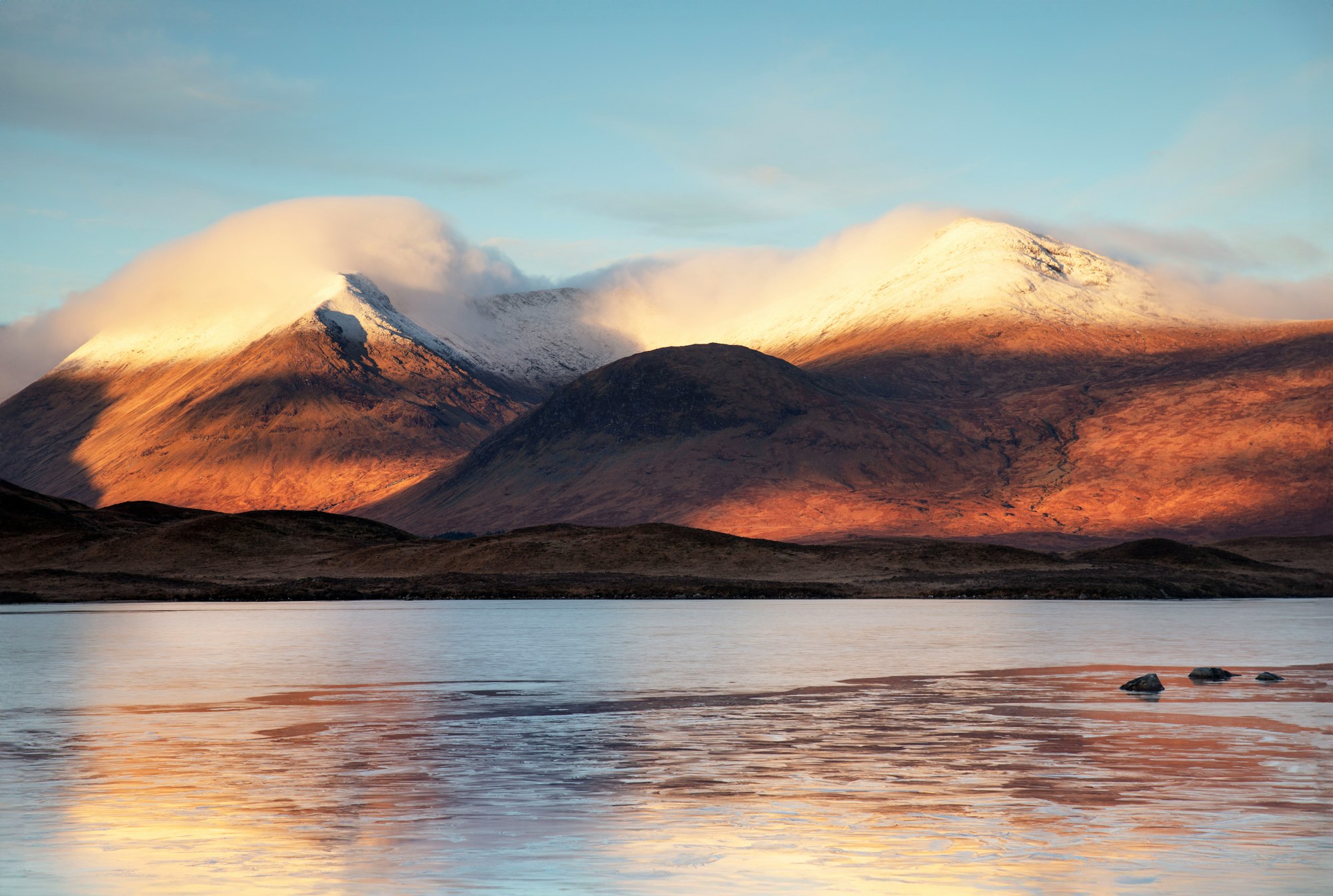
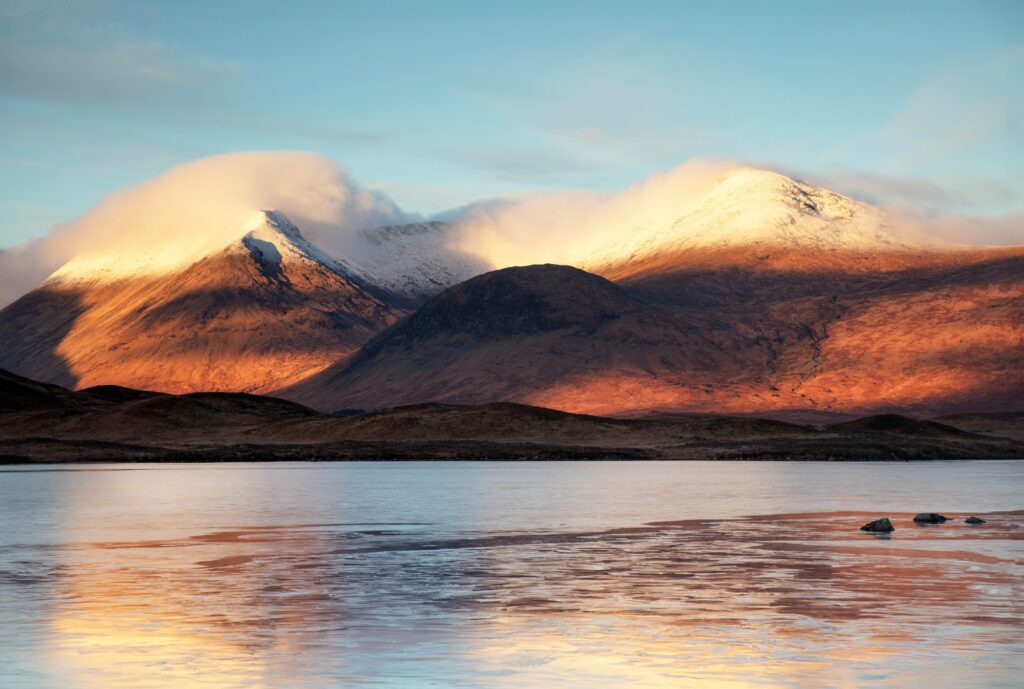
    Snow-capped hills of the Black Mount lit at sunrise and reflected in a lochan on Rannoch Moor in winter
    The line strikes out across Rannoch Moor, miles from the nearest road. Photo: martin bennie / Unsplash

    A Railway Floated on a Bog

    The West Highland Railway opened between Glasgow and Fort William in 1894, with the extension to Mallaig following in 1901. Crossing Rannoch Moor was the great engineering puzzle. The peat was too deep to reach solid ground, so the builders floated the track on a mattress of tree roots, brushwood and thousands of tons of earth and ash. It still carries trains today.

    The work nearly broke the company. As the brushwood raft kept sinking, money ran short, and the line was rescued when one of its directors, James Renton, put part of his own fortune into the project. At the north end of the platform at Rannoch station you can still see a head carved in stone by the navvies in his honour.

    Just north of Rannoch, the train crosses the Rannoch Viaduct, a curving lattice-girder structure of nine spans resting on granite piers, around 684 feet long and the longest viaduct between Craigendoran and Fort William.

    The Journey: What You See from the Train

    The full run from Glasgow Queen Street to Fort William takes about three and three-quarter hours, and around five and a quarter hours if you continue to Mallaig. The scenery builds steadily:

    • The Clyde and the sea lochs: Out past Helensburgh, the line climbs above the Gare Loch and Loch Long.
    • Loch Lomond: A long, wooded stretch high above the loch’s northern reaches towards Ardlui.
    • The Horseshoe Curve: Beyond Tyndrum, the line loops around the base of Beinn Dorain on a great curve and viaduct, a favourite moment for photographers.
    • Rannoch Moor: After Bridge of Orchy, the trees fall away and the moor opens out, with Rannoch station and its viaduct at the centre.
    • Corrour: The summit of the line, then down beside the long, steep-sided waters of Loch Treig.
    • Monessie Gorge: The River Spean churns through a rocky gorge just below the line, after Tulloch.
    • Onwards to Mallaig: From Fort William, the Glenfinnan Viaduct, Loch Eilt and the white sands of Arisaig lead to the sea views of the Small Isles.

    Which side to sit

    Heading north from Glasgow, the usual advice is to sit on the left-hand side for the Horseshoe Curve, Loch Treig and Monessie Gorge; coming south, choose the right. Loch Lomond is visible from both sides at different moments, so do not worry too much there. Note that the train reverses at Fort William, so if you continue to Mallaig you will need to swap sides to keep the best views. Seat reservations cannot specify a side, so pick your spot once aboard if the carriage allows.

    Tip: Tickets cannot be bought at Rannoch or Corrour stations. Book in advance or buy from the guard on board.

    Corrour: Britain’s Most Remote Mainline Station

    At around 1,340 feet above sea level, Corrour is the highest mainline railway station in the UK, and it has no public road access. The only vehicle route is a long private estate track, so for almost everyone, arriving means stepping off a train into total silence. Film fans will recognise it: Corrour and the nearby hill of Leum Uilleim appear in Trainspotting (1996), in the scene where the friends head to the countryside and Renton delivers his famously unflattering verdict on being Scottish.

    Beside the platform, the estate’s Station House runs as a restaurant with rooms, open seasonally from roughly the end of March to the end of October. Next door, the old signal box, a listed building, has been converted into three en-suite double rooms with a sitting room in the former lookout. Staying here, with the last train gone and stars over the moor, is the whole point.

    Walking from Corrour to Loch Ossian

    From the station, a good estate track leads about a mile east to Loch Ossian, where Hostelling Scotland runs an eco-hostel powered by solar and hydro. The circuit of the loch is about nine miles on largely level tracks, with woodland at the far end and the mountains of the Ben Alder range around you. Stronger walkers can tackle the Munros above the loch, or walk between Rannoch and Corrour stations and catch the train back. Carry a proper map, waterproofs and food: there is nothing out here, and the weather changes quickly. We recommend an OS Explorer map of Rannoch Moor and Ben Alder and a compass even on the easy loop.

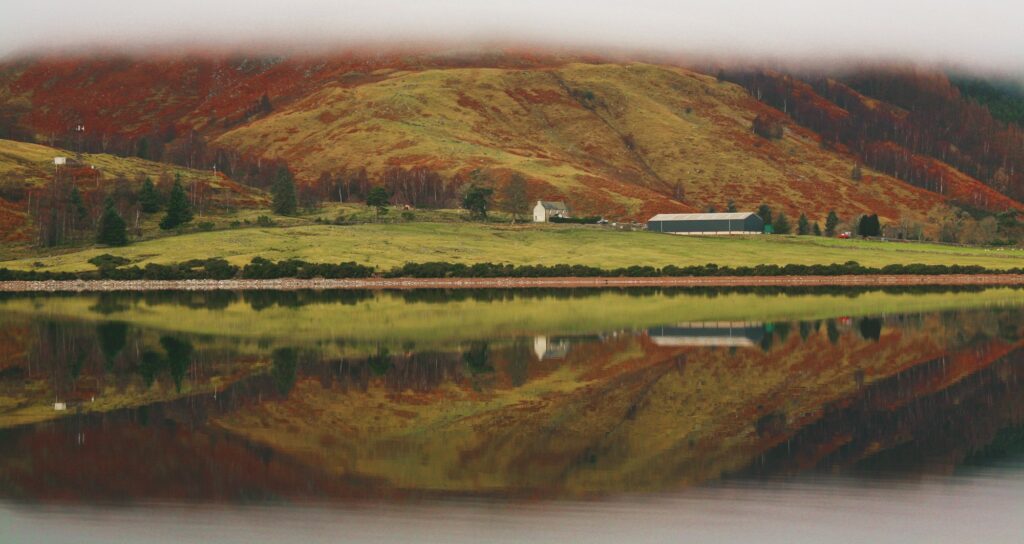
    A calm Highland loch reflecting autumn hillsides, with a house and woodland on the far shore
    Loch Ossian, a short walk from Corrour station and a world away from everything else. Photo: Konrad Hofmann / Unsplash

    Wildlife and the Best Light

    Red deer are the stars of the moor, often seen grazing close to the line or silhouetted on a ridge. Autumn, when the stags roar during the rut, is especially atmospheric. Rannoch Moor is a Site of Special Scientific Interest and a Ramsar wetland, home to rare plants such as the Rannoch-rush. A good pair of compact binoculars transforms the journey.

    When to go

    • May and June: Long, luminous evenings and fresh green on the moor, generally before the worst of the midges.
    • September and October: Russet bracken and deer grass, the rut, and low golden light. Our favourite season for photography.
    • Winter: Snow-dusted mountains and dramatic skies, but very short days and many places closed. Ideal for a cosy night or two if you plan carefully.

    ScotRail and the Caledonian Sleeper

    ScotRail runs the day trains between Glasgow Queen Street, Fort William and Mallaig, typically three a day in each direction, with fewer on Sundays, calling at Rannoch and Corrour.

    The most romantic approach is the Caledonian Sleeper from London Euston to Fort William, which runs Sunday to Friday nights and calls at Rannoch and Corrour. You fall asleep in the city and wake to the moor sliding past the window, arriving at Corrour mid-morning and Fort William soon after. Choose a Club en-suite or a Caledonian Double for a private shower and breakfast. For more on the sleeper and other rail journeys, see our guide to luxury train travel in Scotland.

    If you would like to add steam to the trip, the seasonal Jacobite steam train runs between Fort William and Mallaig over the Glenfinnan Viaduct from spring to autumn. See Jacobite steam train and Glenfinnan experiences, or pair the railway with a guided Glencoe and Rannoch Moor day tour to see the western edge of the moor from the road.

    Where to Stay Along the Route

    Moor of Rannoch Restaurant & Rooms, Rannoch Station

    Steps from the platform, Moor of Rannoch is one of the most characterful small hotels in Scotland: five en-suite rooms, lounges with wood-burning stoves, and a daily-changing dinner menu from a kitchen holding two AA Rosettes, built on foraged and local produce. There is no TV, no wifi and barely any mobile signal, which is exactly why guests love it. It is seasonal, usually open from mid-February to late November, so check dates before you plan.

    Corrour Station House and Signal Box

    For the most remote night of your trip, book the Signal Box rooms at Corrour, with dinner in the Station House. The estate also lets a handful of renovated nineteenth-century cottages for longer stays. Book directly with Corrour Estate; availability for the following season is usually released in late summer.

    Inverlochy Castle, near Fort William

    To end in style, Inverlochy Castle sits about three miles outside Fort William, at the foot of the mountains in grounds with a loch. Expect classic country-house luxury, three AA Rosettes and polished service, a perfect counterpoint to the wild moor. For more grand stays, see our guide to castle stays in Scotland.

    A Three-Day West Highland Rail Escape

    Day 1: London to Corrour by sleeper

    Board the Caledonian Sleeper at Euston and wake to Rannoch Moor. Step off at Corrour, drop your bags at the Signal Box, and walk the Loch Ossian circuit. Dinner at the Station House as the light fades.

    Day 2: Corrour to Rannoch

    Take a short morning train back to Rannoch (or walk between the stations if you are experienced and the weather is kind). Find the Renton head on the platform, then settle in for dinner at Moor of Rannoch.

    Day 3: Over the summit to Fort William

    Ride north past Corrour, Loch Treig and Monessie Gorge to Fort William, sitting on the left. Check in at Inverlochy Castle for afternoon tea and a final night of comfort, or continue to Mallaig for the sea.

    FAQs

    Can you drive to Corrour station?

    No. There is no public road; access is by train or on foot, with only a private estate track for vehicles. That remoteness is the appeal.

    How long is the train from Glasgow to Fort William?

    About three hours and 45 minutes on ScotRail, with around another hour and a half to Mallaig.

    Which side of the train is best?

    Sit on the left heading north from Glasgow and on the right heading south. Swap sides at Fort William if continuing to Mallaig.

    Are Rannoch and Corrour open all year?

    The stations are, but accommodation is largely seasonal. Moor of Rannoch and the Corrour Station House both close for part of the winter, so check before you travel.

    Let Us Plan Your Wilderness Rail Journey

    Tell us your dates and we will craft a seamless West Highland Line itinerary, with sleeper cabins, remote stays and a castle finale.

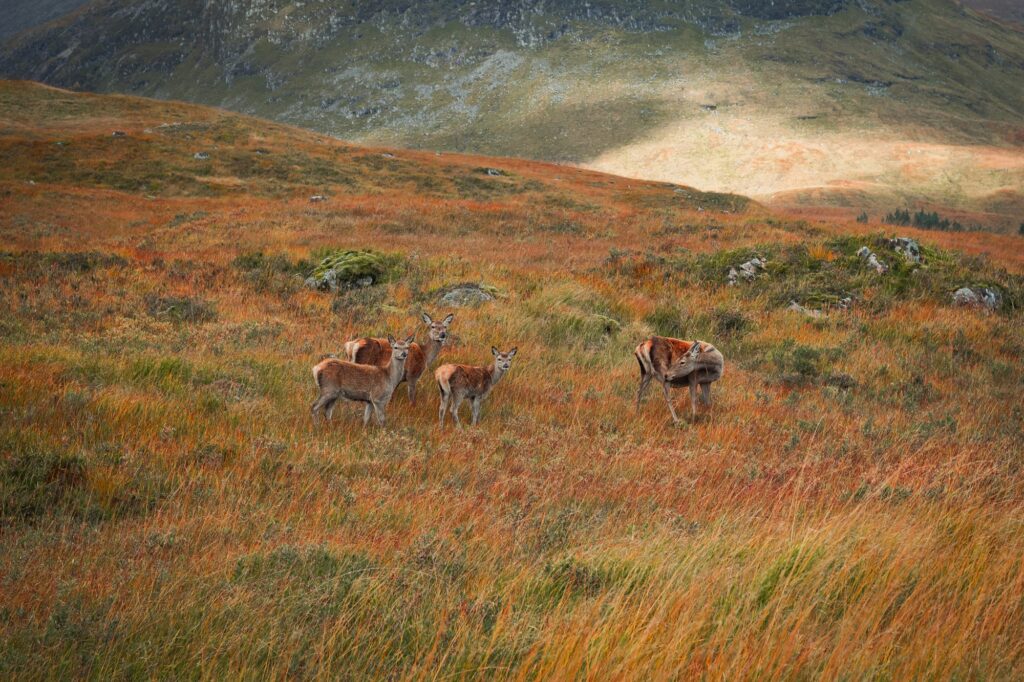
    Red deer grazing on russet autumn moorland in the Glen Coe area of the Scottish Highlands
    Red deer and the evening train: Rannoch Moor at its most magical. Photo: Anna Saveleva / Unsplash
  • Private Whisky Distillery Tours in Scotland

    Private Whisky Distillery Tours in Scotland

    Behind-the-scenes access, warehouse tastings, and soul-stirring landscapes, crafted into a seamless, private journey.

    Why Go Private?

    Great whisky is about patience and place, and private touring lets you savour both. With a driver-guide at the wheel and VIP appointments at your favourite distilleries, you trade queues for conversation and generic tours for tailored storytelling. Expect longer, deeper visits: time in the stillhouse, a quiet warehouse to nose casks, perhaps a sample drawn by valinch as the angels take their share. It’s immersive, unhurried, and immensely personal.

    For couples and small groups, private tours unlock flexibility. You can detour for a windswept photo stop, add a last-minute cooperage visit, or linger over a long lunch without checking the time. And because you’re not driving, tastings stay relaxed and safe.

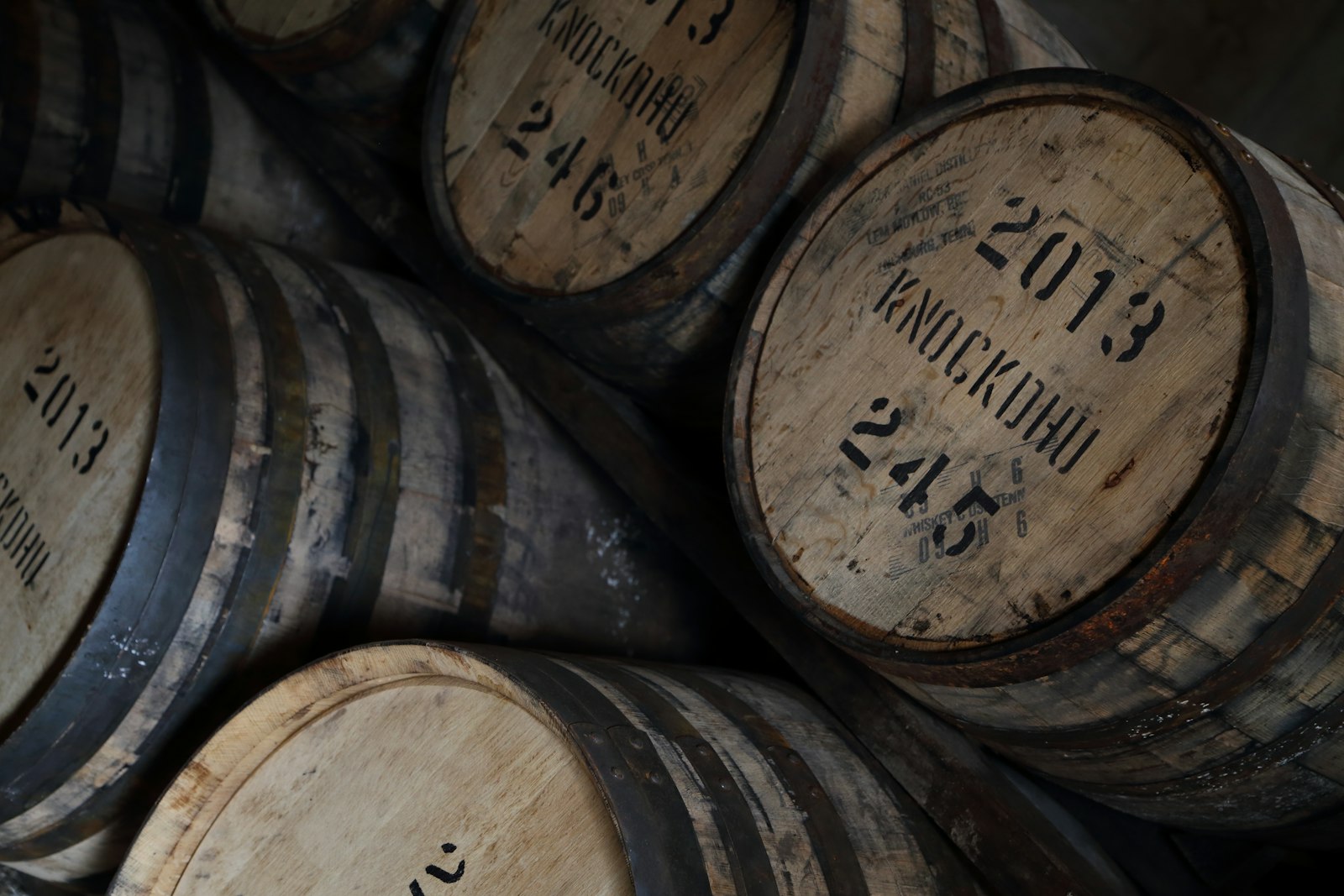
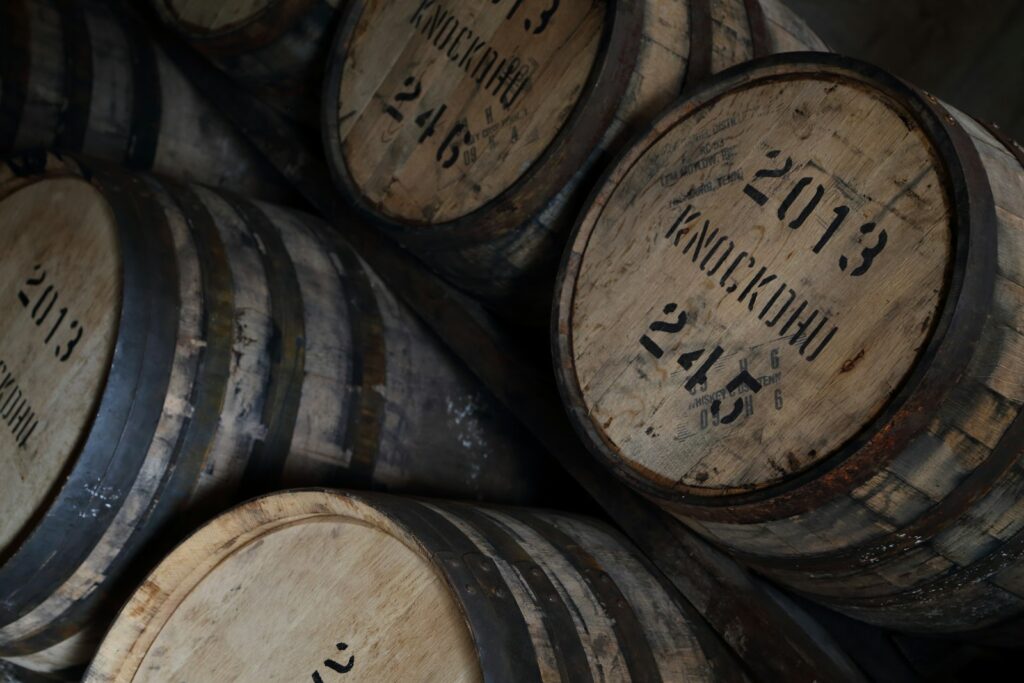
    Wooden whisky casks stacked in a maturation warehouse
    A moment worth lingering over: cask-strength drams in a cool, earthen-floored warehouse. Photo: François Hoppet / Unsplash

    Key Whisky Regions at a Glance

    Every region has a voice, shaped by peat, climate, water, and tradition. Here’s a quick primer to help you map the memories you want.

    • Speyside: The heartland, orchard fruit, honey, elegance. Dense with storied names and magnificent visitor centres.
    • Islay: Maritime and peaty, brine, smoke, and Atlantic character. Compact for touring, dramatic for souls.
    • Highlands: Expansive and varied, heather, spice, citrus. From seaside Oban to the northern greats.
    • Islands: Distinct personalities, Talisker’s sea-spray on Skye, Jura’s wildness, Orkney’s heathery depth.
    • Lowlands: Soft malts and innovation, great access from Edinburgh and Glasgow.
    • Campbeltown: Historic and characterful, salt-licked malts with cult followings.

    Signature Private Experiences

    • Warehouse tastings: Guided by a host who knows each cask’s story; sample straight from the barrel.
    • Cooperage demonstrations: Watch casks being raised and fired; understand why wood is everything.
    • Blending sessions: Create your own small blend to bottle and take home.
    • Estate walks: Follow burns and barley fields; learn how terroir meets technique.
    • Food pairings: Chocolate, cheese, or seafood pairings that reveal new layers in each dram.
    • Boat or 4×4 add-ons: RIB crossings on Islay, or hill tracks above Speyside for views and picnic tastings.

    Top Distilleries (By Region)

    Speyside

    • The Macallan Estate (Craigellachie): A jaw-dropping, grass-topped distillery with museum-level exhibitions and precision-led tastings. Visits are by appointment only, and adults only.
    • Glenfiddich (Dufftown): Premium tours visit Warehouse 8, home of the Solera vat.
    • The Balvenie (Dufftown): Old-school magic; look for craft-focused tours and traditional floor maltings.
    • Aberlour (Aberlour): Sherry lovers’ paradise, seek out cask-led tastings with rich, nutty profiles.
    • Speyside Cooperage: Not a distillery, but unmissable for seeing casks built and repaired at speed (weekdays only, check times).

    Islay

    • Laphroaig (Kildalton coast, near Port Ellen): Saline, smoky, unmistakable; join Friends of Laphroaig before you go and claim your “rent” dram at the distillery.
    • Lagavulin (Kildalton coast, near Port Ellen): Premium Warehouse No.3 tastings, a rite of passage for peat lovers; powerful, elegant peat.
    • Ardbeg (Kildalton coast, near Port Ellen): Playful spirit, serious whisky, pair a tour with lunch at the Old Kiln Café.
    • Bruichladdich (Rhinns): Progressive methods, terroir talk, barley experiments, don’t miss Ugly Betty, the Lomond still behind The Botanist gin.
    • Port Ellen (Port Ellen): The legendary distillery reopened in 2024; its full-day “Atlas of Smoke” private experience hosts up to eight guests, with lunch.
    • Kilchoman (Rhinns): A farm distillery making whisky from its own Islay barley; look for its small-group Sunday experience.
    • Bunnahabhain (North Islay): Remote beauty; unpeated core with maritime nuance, plus special cask draws.
    • Bowmore (Bowmore): Historic vaults and balanced peat; great for first-timers to Islay style.

    Highlands & Islands

    • GlenDronach (Forgue, just east of Speyside): Deep, sherried style, intimate tours and characterful warehouses; 2026 marks its 200th anniversary.
    • Glenmorangie (Tain): Tall stills and citrus-forward spirit; elegant tastings by the Dornoch Firth.
    • Oban (Argyll): Seaside stalwart; combine with seafood on the harbour.
    • Talisker (Isle of Skye): Peppery, maritime; dramatic setting on Loch Harport.
    • Highland Park (Orkney): Heather-honey warmth with Orkney peat; atmospheric warehouses.
    • Old Pulteney (Wick): The maritime malt; briny edge and generous hosts.

    Lowlands & Campbeltown

    • Auchentoshan (Clydebank): Triple-distilled smoothness; an easy hop from Glasgow.
    • Glenkinchie (Pencaitland): East Lothian charm and a sleek visitor centre, ideal from Edinburgh.
    • Springbank / Glengyle (Campbeltown): Cult favourites with traditional production methods and deep character.
    • Johnnie Walker Princes Street (Edinburgh): Not a distillery, but the brand’s flagship home, with a private cellar tasting that makes an ideal arrival-day experience.

    How to Plan Your Tour

    1) Choose Your Base & Pace

    Anchor each region with a characterful stay, Edinburgh or Inverness for the Highlands; Elgin or Craigellachie for Speyside; Bowmore or Port Ellen for Islay; Portree for Skye. Two to three nights per region keeps transfers civilised and tastings focused. On Islay, Ardbeg House, a 12-room distillery hotel in Port Ellen that opened in 2025, makes a memorable base.

    2) Hire a Driver-Guide

    Private cars mean safety, comfort, and insider access. Your driver coordinates timing, routes, and scenic stops, freeing you to savour every dram.

    3) Book Distilleries Direct

    Premium slots (warehouse tastings, cask draws, blending sessions) are capacity-limited and can sell out months ahead, lock these first, then add lunches and scenic detours.

    4) Layer in Scenic & Cultural Stops

    • Speyside: Craigellachie Bridge, Linn Falls, Elgin Cathedral ruins.
    • Islay: Machir Bay, Kildalton Cross, coastal RIB to spot seals.
    • Skye: The Quiraing, Neist Point, Dunvegan Castle.
    • Orkney: Ring of Brodgar, Skara Brae, St Magnus Cathedral.

    Sample Private Itineraries

    A) 3-Day Speyside Immersion

    Day 1: Arrive in Aberdeen or Inverness; transfer to Craigellachie. Afternoon private tour at Aberlour with sherry-cask tasting. Dinner at a local inn, pair venison with a Speyside malt.

    Day 2: Morning at The Macallan Estate (architectural tour + precision tasting). Lunch overlooking the Spey, then Glenfiddich heritage tour and warehouse samples. Sunset walk to Craigellachie Bridge.

    Day 3: Speyside Cooperage demonstration, then The Balvenie or GlenDronach depending on your palate. Depart via Inverness.

    B) 4-Day Islay: The Peat Lover’s Pilgrimage

    Day 1: Fly from Glasgow with Loganair, or take the CalMac ferry from Kennacraig and build in a buffer day in case of disruption. Settle in near Bowmore. Intro tasting at Bruichladdich, terroir talk and cask samples.

    Day 2: South-coast trio: Laphroaig, Lagavulin, Ardbeg. Private warehouse at Lagavulin; lunch at Ardbeg’s Old Kiln Café. Golden-hour stop at Kildalton Cross.

    Day 3: Bunnahabhain for north-shore views and maritime malts. Optional RIB on Loch Indaal. Evening oysters with a peated dram.

    Day 4: Bowmore vaults, then beach walk at Machir Bay before departure.

    C) 6-Day Highlands & Skye

    Day 1–2 (Inverness & Dornoch): Glenmorangie tasting by the firth; explore Dornoch beach and cathedral.

    Day 3 (Inverness to Skye): Scenic drive via Loch Ness, Eilean Donan and Glen Shiel; seafood lunch en-route.

    Day 4 (Skye): Talisker visit and sunset at Neist Point, both on Skye’s west side; save the Quiraing for a second Skye day if you can.

    Day 5 (Oban): Oban tour with harbour tasting flight; boat trip option.

    Day 6 (Return): Back to Edinburgh or Glasgow via Loch Lomond.

    Design My Private Whisky Tour

    Tell us your favourite flavour profiles, must-visit distilleries, and dates, we’ll secure VIP tastings, arrange driver-guides, and book exceptional stays.

    Tasting Etiquette & Practicalities

    • Hydrate and pace: Warehouse pours can be cask-strength; water is your friend.
    • Fragrance-free: Perfume can skew aromas, go neutral.
    • Photography: Always ask in production areas; some spaces restrict flash.
    • Shopping & shipping: Many distilleries can ship purchases; ask on the day for current options.
    • Seasonality: Peak months (May–September) book early; winter offers intimacy but shorter days and weather variables.
    • Safety: With a private driver, everyone can taste. If self-driving between stays, designate a non-taster.
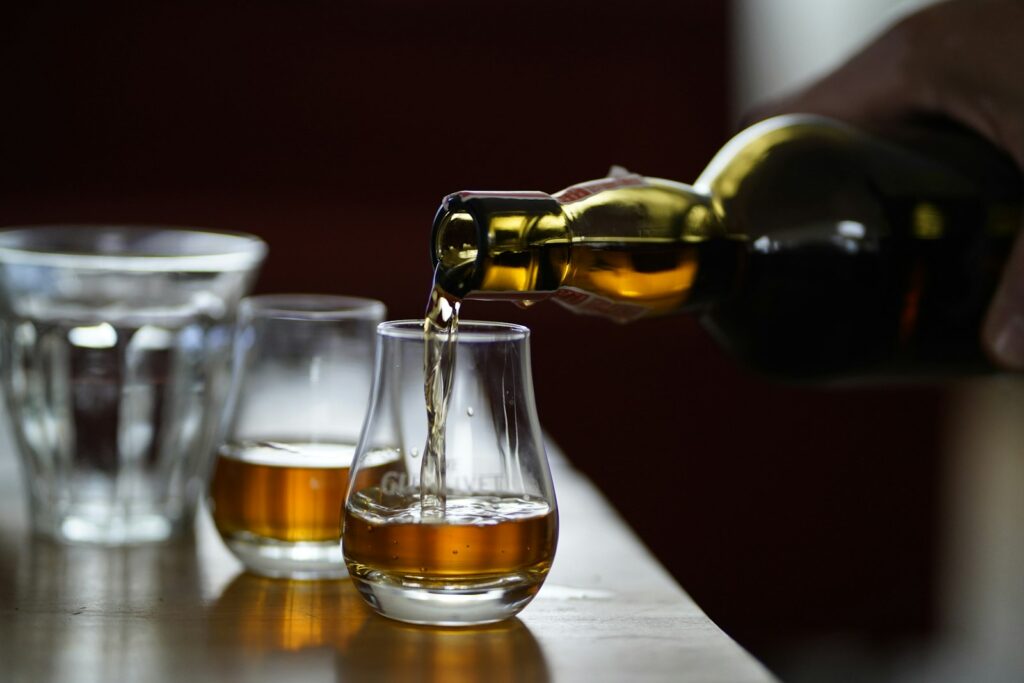
    A dram of Lagavulin 16 year old single malt Scotch whisky in a glass
    The magic moment: a valinch draws living spirit from its cask. Photo: Dylan de Jonge / Unsplash

    FAQs

    How far in advance should I book private distillery experiences?

    For peak months, secure key distilleries 8–12+ weeks ahead; for marquee slots (exclusive warehouses, blending), plan even earlier.

    Are children allowed on tours?

    Policies vary; many welcome families on site but restrict under-18s from tastings. Private scheduling helps align with your needs.

    Can you accommodate dietary needs at pairings or lunches?

    Yes, just let us know preferences in advance and we’ll book appropriately.

    Is there a “best” region for first-timers?

    Speyside offers density and variety; Islay is unforgettable if you love peat; the Highlands provide sweeping scenery with classic styles.

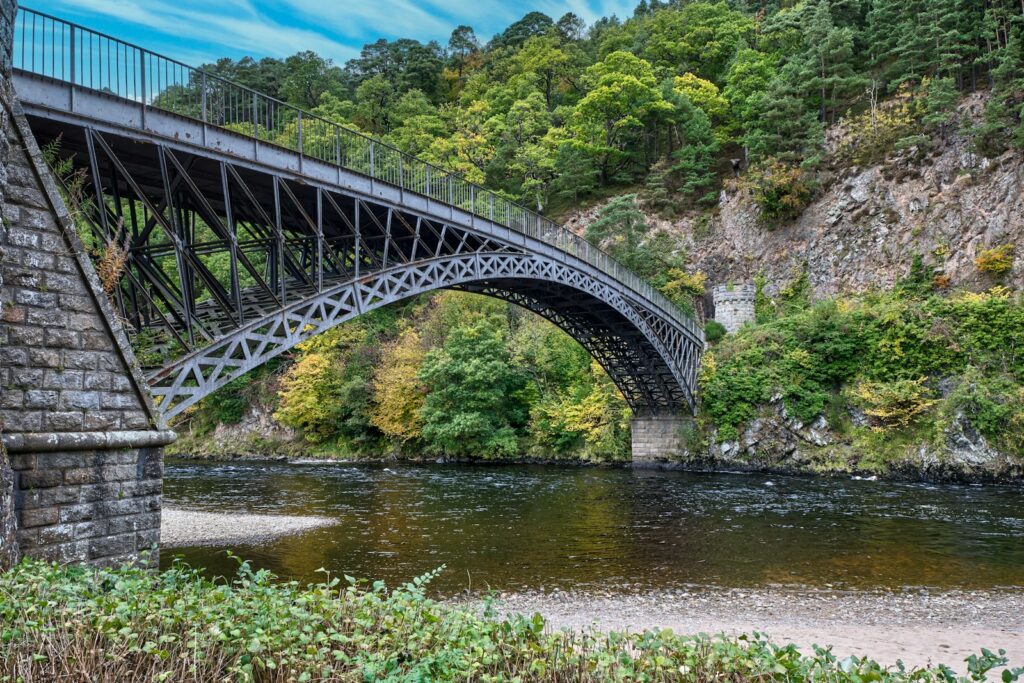
    Thomas Telford's Craigellachie Bridge spanning the River Spey in Moray, Speyside
    Where craft meets landscape: the Spey runs through Scotland’s whisky heart. Photo: Tom McPherson / Unsplash
  • Orkney: 5,000 Years of History at Skara Brae and the Ring of Brodgar

    Orkney: 5,000 Years of History at Skara Brae and the Ring of Brodgar

    Off Scotland’s northern tip, Orkney keeps a 5,000-year-old world of stone villages, standing stones and chambered tombs, and few places in Britain let you stand so close to the distant past.

    Why Orkney Belongs on Your List

    Most travellers to Scotland head for Edinburgh, the Highlands and perhaps Skye. Far fewer cross the Pentland Firth to Orkney, and that is exactly why we love it. On the West Mainland, within a few miles of each other, sit some of the most remarkable prehistoric monuments in Europe: a Neolithic village with its stone furniture still in place, two great stone circles, and a chambered tomb that catches the midwinter sunset. Together they form the Heart of Neolithic Orkney UNESCO World Heritage Site.

    Add a red sandstone cathedral founded in the 12th century, a wartime chapel of astonishing beauty, two whisky distilleries and wide, luminous skies, and you have one of the most rewarding short breaks in Britain.

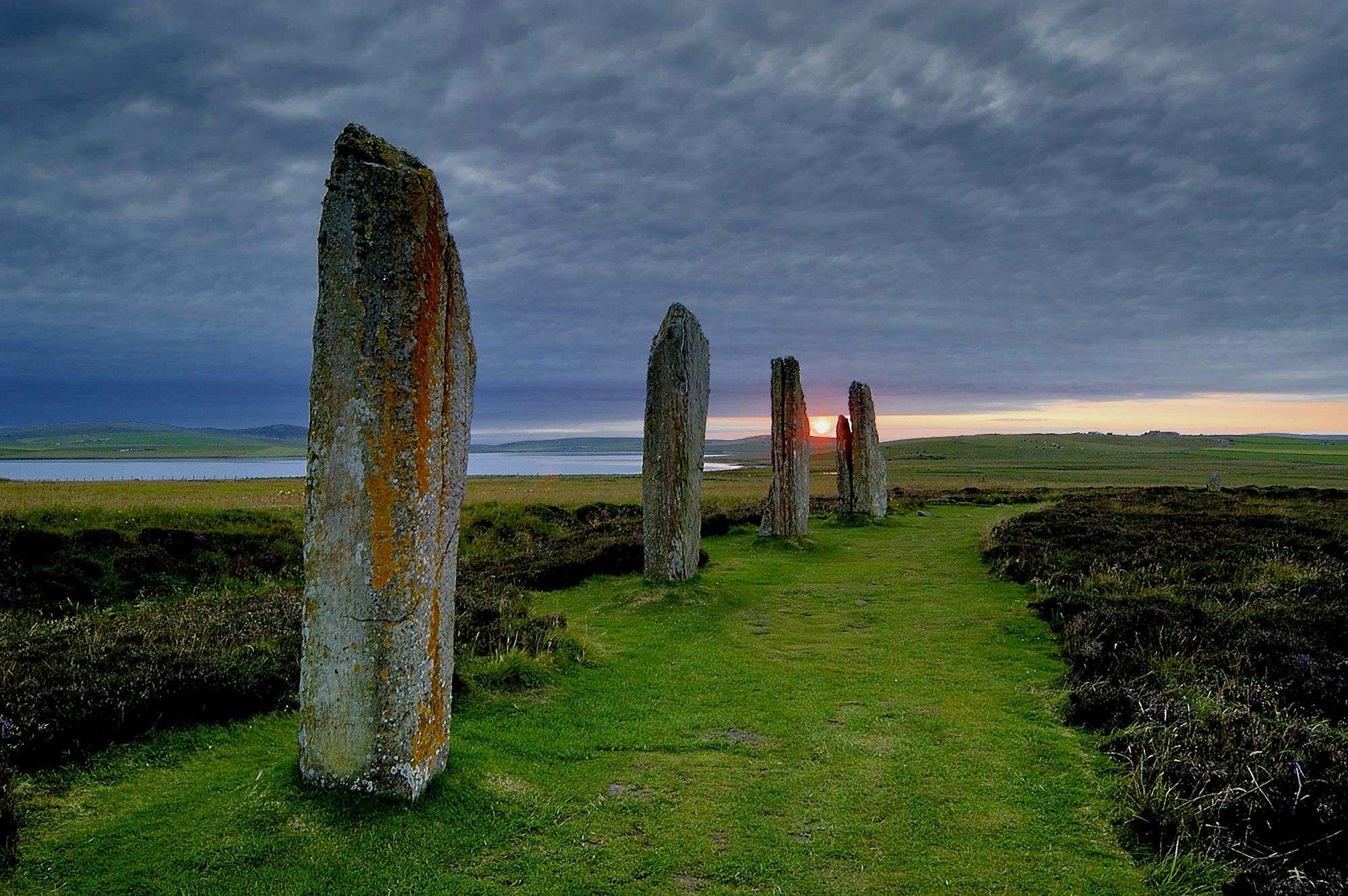
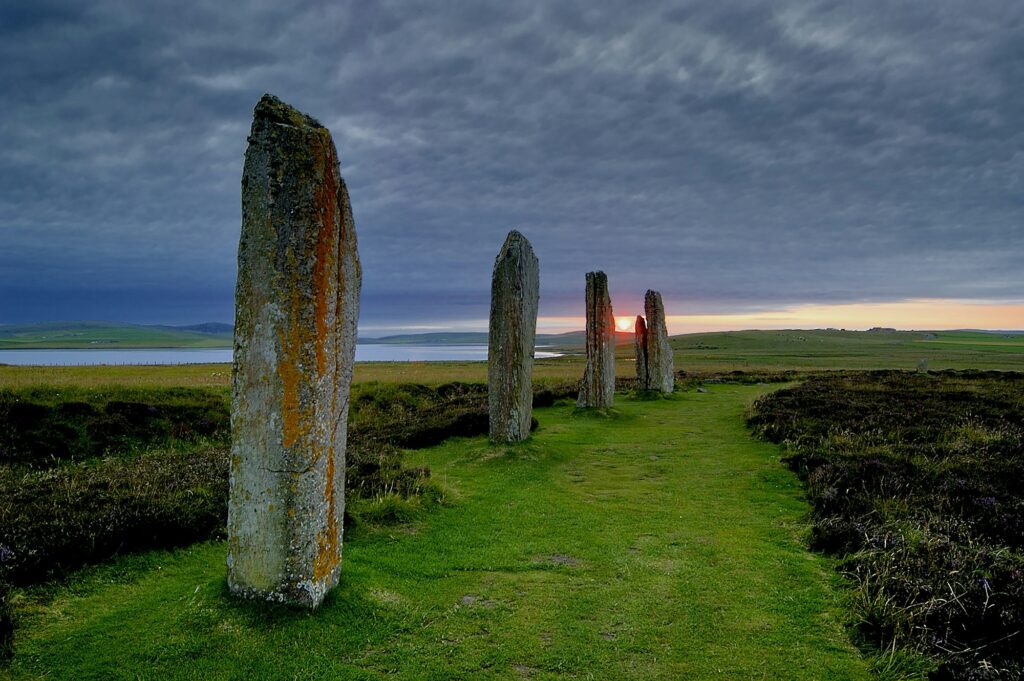
    Lichen-covered standing stones of the Ring of Brodgar on heather moorland at sunset, with water beyond, Orkney
    The Ring of Brodgar, set between the Lochs of Harray and Stenness. Photo: Maxwell Andrews / Unsplash

    The Heart of Neolithic Orkney

    Most of the main sites are cared for by Historic Environment Scotland (HES). Some need a timed ticket, others are open access, so a little planning goes a long way. HES members and Explorer Pass holders get free entry to the ticketed sites.

    Skara Brae

    A great storm in 1850 stripped the turf from a dune on the Bay of Skaill and revealed a village around 5,000 years old. HES describes Skara Brae as the best-preserved Neolithic settlement in Western Europe, and stone dressers and box beds still stand where their makers placed them. A visitor centre displays finds such as gaming dice and jewellery, and a replica house shows how an interior may once have looked.

    In summer, tickets also cover nearby Skaill House, a 17th-century mansion that is run separately, so check what your ticket includes for the month you visit. We recommend booking a timed slot online in high season.

    The Ring of Brodgar

    Set on a narrow neck of land between two lochs, the Ring of Brodgar is one of the great stone circles of the British Isles. It dates to the 3rd millennium BC; of an original 60 stones, 36 survive, some reaching 4.7 metres. It is open all year with no ticket required. Because of erosion, access within the circle itself has at times been restricted to marked paths, so please follow the signage on the day.

    The Standing Stones of Stenness

    A short walk away, the tall, slender Stones of Stenness are fewer in number but no less dramatic, and you can usually walk among them. HES Rangers have run free guided walks at Stenness and Brodgar, daily in the summer months and on selected days in winter, with no booking needed. They are an excellent introduction; check the current schedule with HES before you go, as walks can be cancelled at short notice.

    Maeshowe

    Maeshowe is a chambered cairn of extraordinary craftsmanship, built around 5,000 years ago. You stoop along a long, low passage into a corbelled stone chamber. The passage is aligned so that, in the weeks around the winter solstice, the light of the setting sun reaches the back wall of the chamber. HES suggests that, weather permitting, the effect may be seen from roughly the end of November to the middle of January, during the 2pm tour.

    The chamber also holds a very different kind of history. In the 12th century, Norsemen broke into the tomb and carved around thirty runic inscriptions on its walls, which HES calls the largest collection of runic inscriptions to survive outside Scandinavia. Among them are boasts, names and a carved creature known as the Maeshowe Dragon.

    Access to Maeshowe is by guided tour only, and capacity is small. Tours start from the Maeshowe Visitor Centre in Stenness (the old centre at Tormiston Mill is no longer used), with a shuttle bus to the cairn followed by a short walk. There is no wheelchair access into the cairn itself.

    Tip: Book your Maeshowe tour online as soon as your dates are fixed, and arrive about 15 minutes early to collect tickets. In the solstice season, the afternoon tours are in particular demand.

    The Ness of Brodgar

    Between Stenness and Brodgar lies the Ness of Brodgar, a vast Neolithic complex whose excavation transformed our understanding of the period. The final excavation season took place in 2024, after which the trenches were backfilled to protect the fragile stonework. Today it is a grassy mound while analysis of the finds continues, but knowing what lies beneath adds a thrilling layer to the walk between the two circles.

    Beyond the Neolithic

    St Magnus Cathedral, Kirkwall

    Founded in 1137 by Earl Rognvald in memory of his uncle, St Magnus, Kirkwall’s red and yellow sandstone cathedral is the finest medieval building in the north of Scotland. Since a royal charter of 1486 it has belonged to the people of Kirkwall rather than the church, and it remains a working parish church. For a rare perspective, book one of the upper-level tours, which climb into the galleries and tower. They run on set days, need advance booking through Orkney Museums or the cathedral custodians, and are not suitable for young children.

    The Italian Chapel

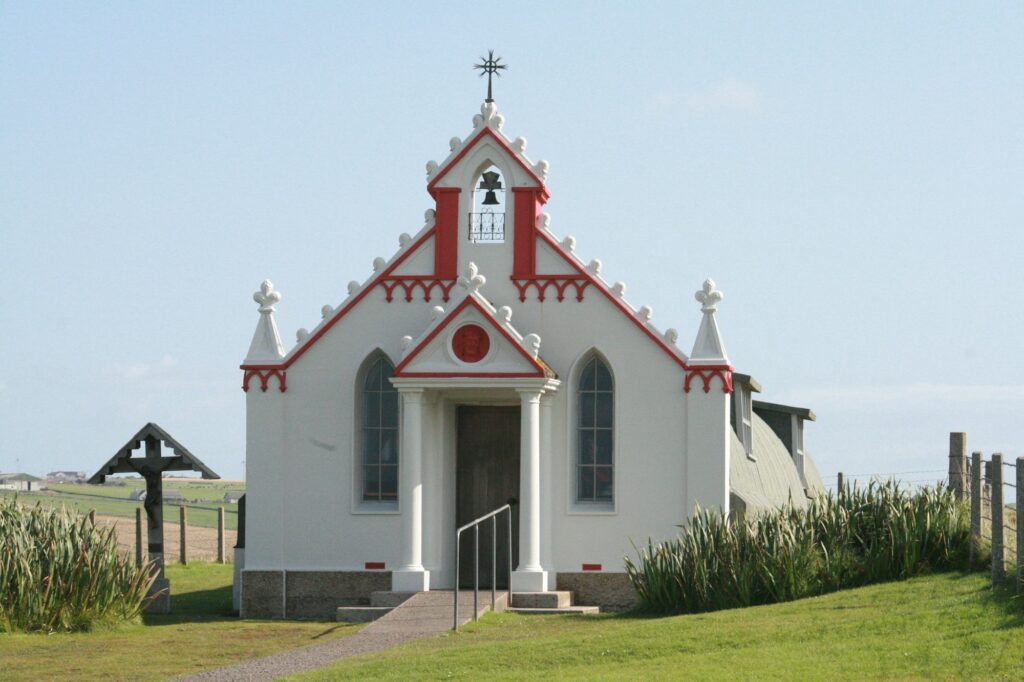
    On the tiny island of Lamb Holm, linked by the Churchill Barriers, stands one of Scotland’s most touching buildings. Italian prisoners of war, brought to Orkney during the Second World War to work on the barriers, transformed two Nissen huts into a chapel in 1943 to 1944. The interior was painted by Domenico Chiocchetti, who stayed on to finish it as the war drew to a close. Opening hours are shorter in winter, and a small entry charge applies; check current details before you go.

    The white and red facade of the Italian Chapel on Lamb Holm, Orkney, under a blue sky
    The Italian Chapel: a wartime act of faith in two Nissen huts. Photo: Mark Foster / Unsplash

    Whisky: Highland Park and Scapa

    Orkney has two whisky distilleries, barely half a mile apart on the edge of Kirkwall. Highland Park, founded in 1798, is known for its gently smoky, heathery style, shaped by Orkney’s own peat. Scapa, founded in 1885, overlooks the great natural harbour of Scapa Flow. Both offer tours, but schedules change with the seasons and tours often need booking in advance, so check each distillery’s own website before you travel. For more ideas on planning a dram-led journey, see our guide to private whisky distillery tours in Scotland.

    Where to Stay

    Expect characterful, independently run places with excellent local produce rather than grand luxury hotels. We suggest basing yourself in or near Kirkwall, which puts both the Neolithic sites and the cathedral within easy reach.

    • The Storehouse (Kirkwall): a restaurant with rooms in a converted 19th-century curing store close to St Magnus Cathedral, with eight en suite rooms upstairs and a menu built around Orkney seafood and beef.
    • The Kirkwall Hotel (Kirkwall): a traditional hotel on the harbour front, handy for ferries and the town centre. Ask for a refurbished harbour-view room.
    • The Foveran (St Ola, just outside Kirkwall): a small, relaxed hotel whose restaurant looks out over Scapa Flow and is well regarded for seafood.
    • Lynnfield Hotel (Kirkwall): a comfortable hotel on the southern edge of town, a short stroll from Highland Park.

    Getting There and Getting Around

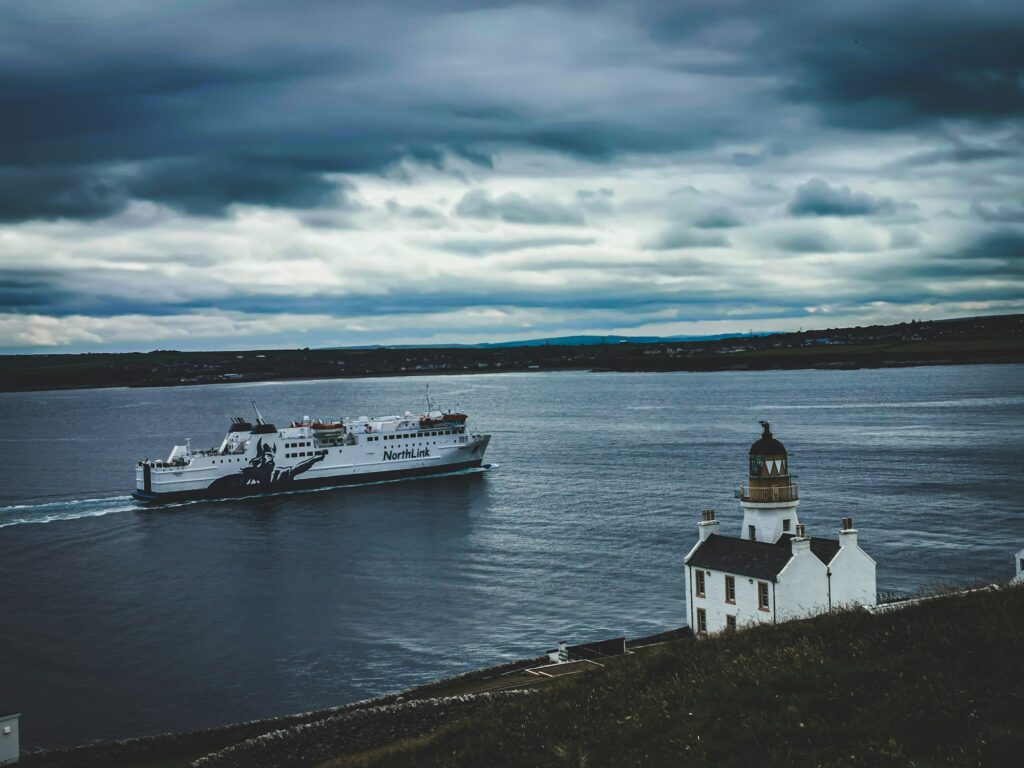
    • By ferry from Aberdeen: NorthLink Ferries sails overnight from Aberdeen to Kirkwall, with cabins available.
    • By ferry from Scrabster: NorthLink also runs from Scrabster, near Thurso, to Stromness, passing close to the sea stack of the Old Man of Hoy.
    • By ferry from Gills Bay: Pentland Ferries crosses from Gills Bay in Caithness to St Margaret’s Hope on South Ronaldsay, a short drive from the Italian Chapel.
    • By air: Loganair flies to Kirkwall from Scottish airports including Edinburgh, Glasgow, Aberdeen and Inverness. Some Inverness services were reduced in 2026, so check the current timetable.

    Once on Orkney, a car gives you the most freedom; the Neolithic sites are around a 20 to 30 minute drive from Kirkwall. Without a car, a private guide or small-group tour is the most relaxing option.

    A NorthLink ferry sailing past a white lighthouse under a stormy sky on the sea approach to Orkney
    Arriving by sea is part of the Orkney experience. Photo: Ryan Denny / Unsplash

    When to Go

    May to September brings long, light evenings, the fullest programme of tours and Ranger walks, and the chance to see Skaill House with your Skara Brae ticket. Book ferries, cars and the best rooms well ahead for July and August.

    Late November to mid January is the season for the Maeshowe solstice sunset. Days are short and the weather unpredictable, but the islands are wonderfully quiet, and a successful sunset is something you will never forget. Expect reduced opening hours at many sites, and closures over Christmas and New Year.

    A Perfect Neolithic Day

    1. Morning: Arrive at Skara Brae for an early timed slot, before the coaches, and allow time in the visitor centre and replica house.
    2. Late morning: Drive to the Ring of Brodgar. If a Ranger walk is running, join it.
    3. Lunch: Head to Stromness for lunch by the harbour.
    4. Afternoon: Walk among the Stones of Stenness, look across to the Ness of Brodgar, then take your pre-booked Maeshowe tour.
    5. Evening: Return to Kirkwall for a twilight look at St Magnus Cathedral and dinner featuring local seafood.

    Spend a second day on Kirkwall, the distilleries and the Italian Chapel, and a third on Hoy or the outer islands if time allows. For background reading on the journey, the Orkneyinga Saga tells the story of the Norse earls, including St Magnus and Rognvald.

    FAQs

    How many days do I need in Orkney?

    Two full days covers the Neolithic sites, Kirkwall and the Italian Chapel at a comfortable pace. Three or four days lets you add Hoy, the outer islands and a relaxed distillery visit.

    Do I need to book Maeshowe in advance?

    Yes, we strongly recommend it. Access is by guided tour only, groups are small, and tours start from the Maeshowe Visitor Centre in Stenness rather than at the cairn.

    Can I still see the Ness of Brodgar excavation?

    No. The final excavation season was in 2024 and the site was then backfilled to protect it. You can see where it lies between the Stones of Stenness and the Ring of Brodgar, but the remains themselves are now under the turf.

    Let Us Plan Your Orkney Journey

    Tell us your dates and interests, and we will design a seamless Orkney itinerary with the right stays, guides and timed tickets.

  • Luxury Train Travel in Scotland: The Ultimate Guide

    Luxury Train Travel in Scotland: The Ultimate Guide

    Experience Scotland in motion: where elegance meets adventure aboard the country’s most storied luxury trains.

    Why Luxury Rail in Scotland?

    Scotland rewards the traveler who slows down. Luxury rail transforms logistics into theatre: mahogany dining cars, tartan-trimmed cabins, crystal stemware clinking as lochs and glens unfurl outside your window. Rather than racing from A to B, you inhabit the journey, savouring shifting light, dramatic skies, and the quiet rhythm of the rails.

    For discerning guests, rail solves two problems elegantly: it reduces packing and unpacking while reaching remote corners without the fatigue of driving. Compared to domestic flights, you trade queues for conversation; compared to self-drive, you swap navigation for narration, curated excursions with historians, ghillies, or estate caretakers who bring Scotland’s soul to life.

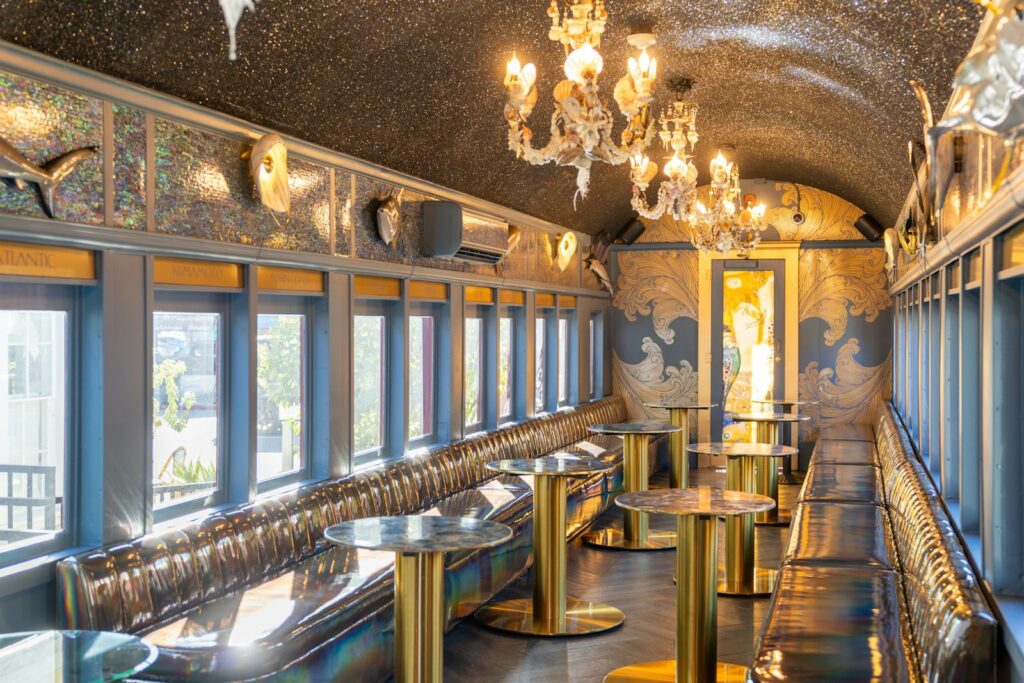
    Elegant seating and vintage chandeliers inside a restored luxury railway carriage
    Scottish heritage meets timeless elegance on board. Photo: Peter Muniz / Unsplash

    The Belmond Royal Scotsman

    The Belmond Royal Scotsman is Scotland’s flagship luxury sleeper, intimate by design, typically welcoming around three dozen guests, so service feels personal and unhurried. Interiors whisper Edwardian glamour: polished wood, soft tartans, antique brass, and the kind of craftsmanship that makes the train feel like a rolling country house.

    Departures typically begin at Edinburgh Waverley, with seasonal routes that weave through Highland passes, sea-scoured coasts, and private estates. It’s less a transfer than a curated sequence of landscapes, table-side stories, and fireside drams.

    Signature Itineraries

    • The Highlands (2, 3 or 4 nights): Castles, a distillery or two, and a celebratory onboard pace, the classic introduction to the train.
    • The West Coast (3 nights): A sweep of lochs, Atlantic light, and mountain drama, often with coastal touches.
    • Heritage Homes & Gardens (4 nights): Private access to historic houses and gardens, made for culture lovers.
    • Scotch Malt Whisky Tour (4 nights): Distillery visits and tastings for serious whisky lovers.
    • Grand Tour of Scotland (7 nights): The full circuit, layering Highlands, coast, culture, and gastronomy.
    • A Taste of Scotland with Tom Kitchin (2 nights): A food-led journey with the celebrated Edinburgh chef.

    Tip: For first-timers, 3-4 nights balances richness with flexibility; connoisseurs often opt for the longer circuits.

    Life On Board

    Cabins: Compact, refined, and all en-suite, with mohair or tweed textiles and turn-down service from attentive stewards. You’ll sleep to the whisper of rails and wake to tea at your door.

    Dining: Multi-course menus champion Scotland’s larder, west-coast shellfish, Highland venison, seasonal berries, paired with thoughtful wines and, naturally, exceptional whisky.

    Wellness: The Dior Spa carriage (a rarity in Europe) offers treatments as the countryside glides by, an almost dreamlike indulgence after a windswept estate walk. Treatments may carry a charge, so confirm when booking.

    Atmosphere: Evenings gravitate to the observation car: a softly lit salon for live music, storytelling, or quiet conversation as the sky fades to pewter and gold.

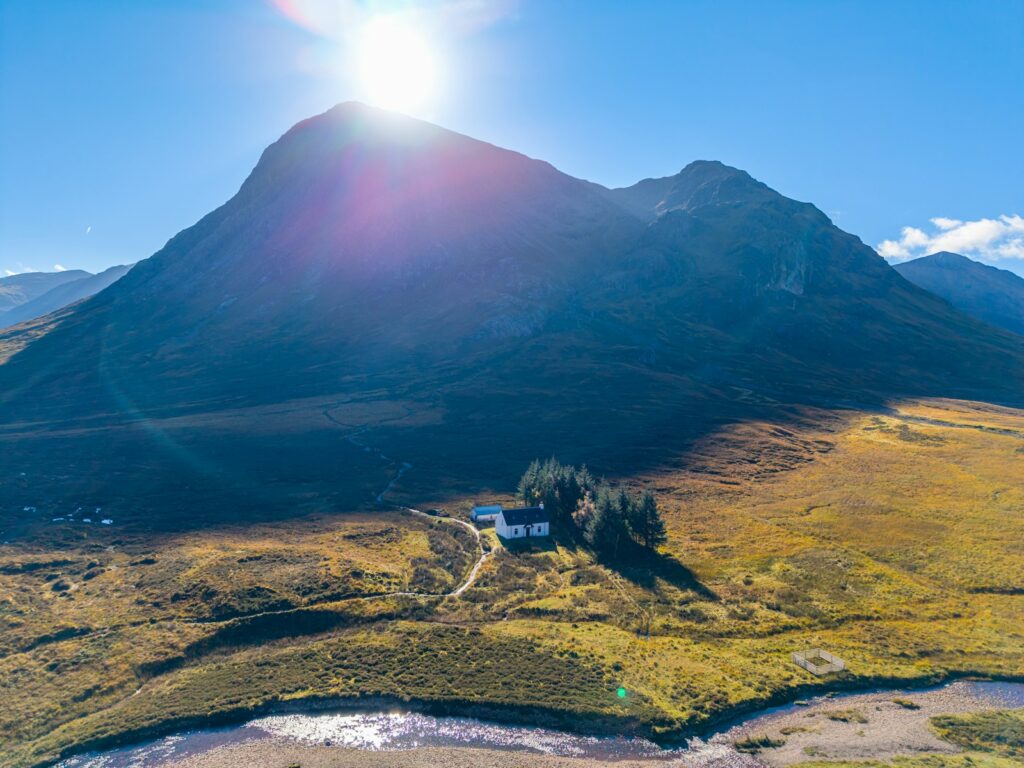
    Golden evening light over a remote mountain glen with a white cottage beside a stream
    Golden hour, a Highland horizon, and a well-poured dram. Photo: Shai Pal / Unsplash

    Curated Excursions

    • Castles & Estates: From manicured gardens to ancestral halls, private access turns history tactile.
    • Whisky Distilleries: Speyside stalwarts and craft producers alike, tastings, blending notes, and the lore behind the label.
    • Nature Walks: Moorland trails, river glens, and wildlife viewpoints led by expert guides.
    • Living History: Battlefield narratives, standing stones, and small museums that anchor the landscape in story.

    Booking & Practicalities

    • Seasonality: Roughly April to October, when daylight and routes are at their best; the train does not run in winter.
    • Lead Time: With limited cabins, popular dates can sell a year in advance, secure early.
    • Inclusions: All meals, a selection of drinks, onboard entertainment, and the itinerary’s excursions are included; gratuities and travel insurance are extra.
    • Solo Travel: All cabins are designed for two, so ask about solo pricing.

    Other Premium & Scenic Rail Options

    Caledonian Sleeper

    An elegant overnight between London and Scotland with private rooms, including the en-suite Club En-suite and Caledonian Double. It’s not a full luxury product like the Royal Scotsman, but it dovetails beautifully with a high-end itinerary, West End curtain call one night, Highland sunrise the next. Prefer daylight? The LNER Highland Chieftain runs from London to Inverness by day, with First Class and Highland views.

    Belmond Britannic Explorer

    Launched in 2025, Britain’s first luxury sleeper for England and Wales carries around three dozen guests on three-night journeys to Cornwall, the Lake District, and Wales, with menus by Simon Rogan. It is the natural partner to the Royal Scotsman for a wider British tour.

    Heritage & Scenic Day Trains

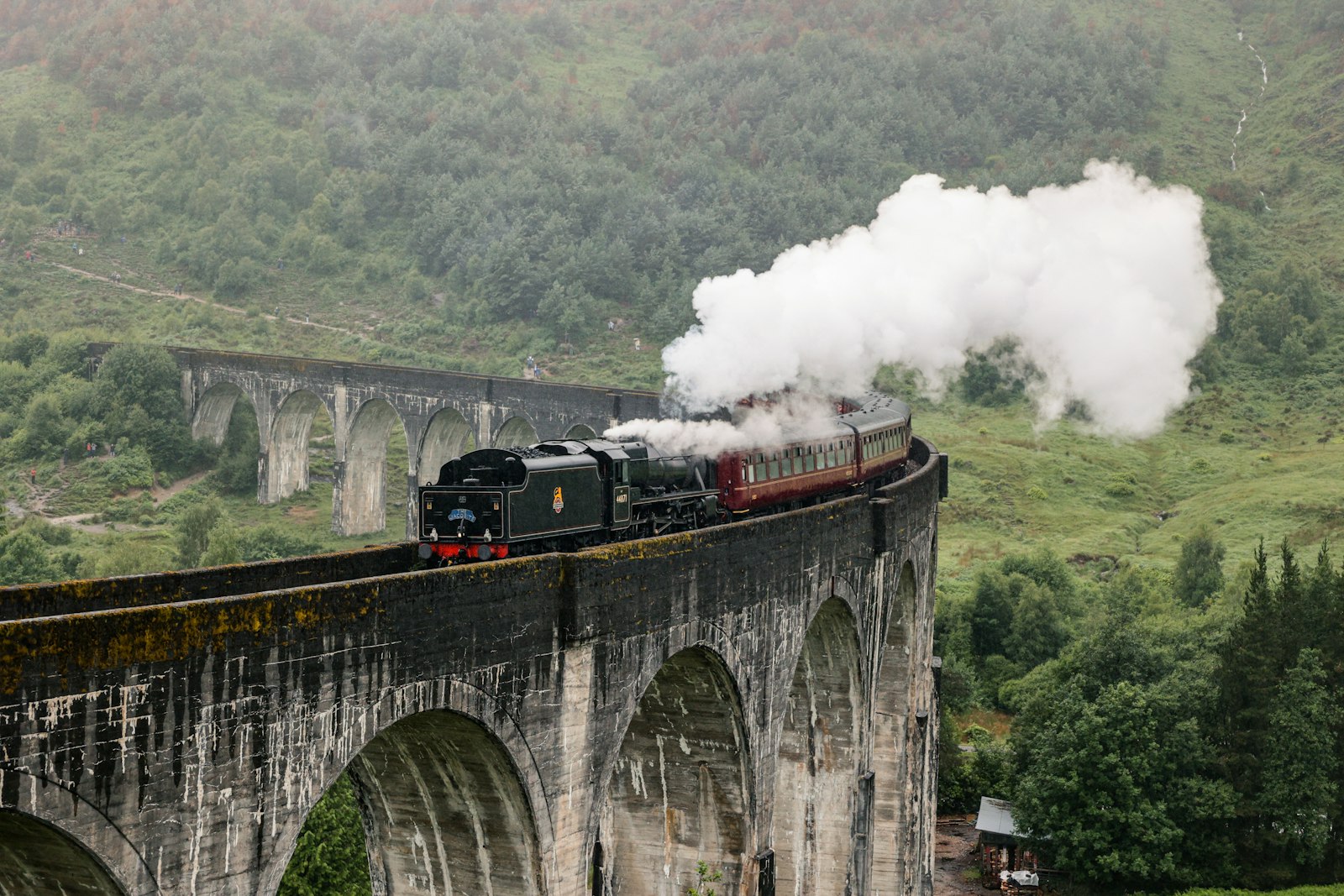
    • The Jacobite Steam Train: The cinematic crossing of Glenfinnan Viaduct, pure nostalgia and an icon for photographers. It runs Fort William to Mallaig in summer and early autumn; confirm dates with West Coast Railways.
    • West Highland Line: Regular service, extraordinary scenery; often ranked among the world’s most beautiful rail journeys.
    • Kyle Line: Inverness to Kyle of Lochalsh, coast to coast, and a natural link to Skye.
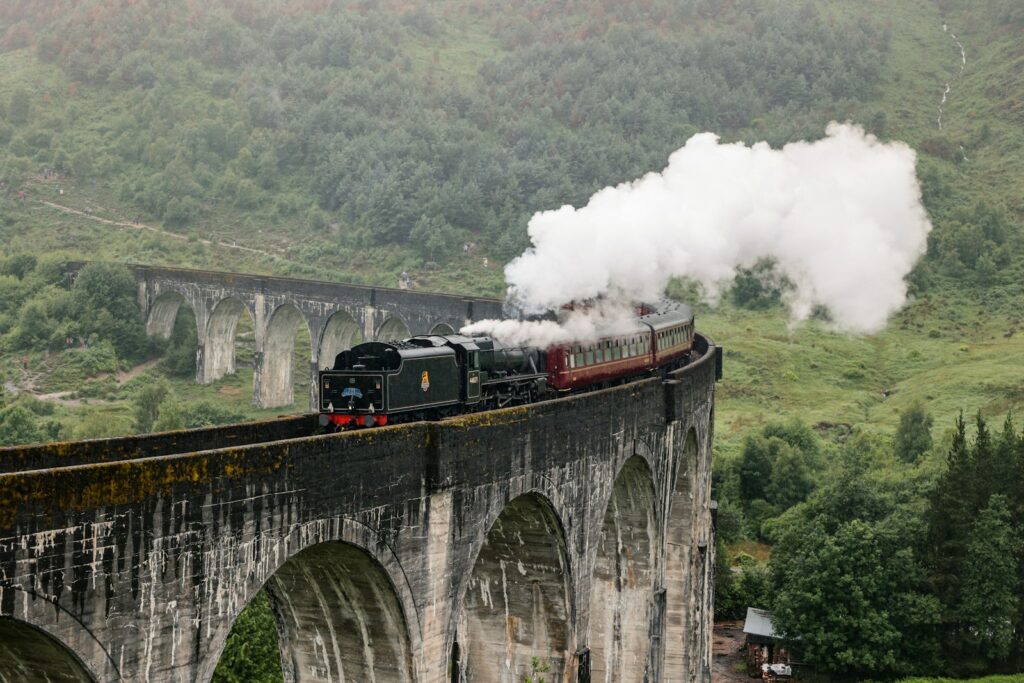
    The Jacobite steam locomotive crossing the Glenfinnan Viaduct in the Scottish Highlands
    The Jacobite over Glenfinnan: a postcard come to life. Photo: Joss Broward / Unsplash

    When to Travel

    May-September offers long days, lush hills, and the broadest choice of excursions. April and October can be sublime, quieter, softer light, though more weather-sensitive. The Royal Scotsman does not run in winter, when storms and short daylight constrain routing.

    Booking tip: aim for shoulder weeks (late May, mid-September) for golden light and fewer crowds.

    Planning Tips

    Trip Design

    • Duration: 2-3 nights for a highlight; 4-5 for depth; 7 for a signature odyssey.
    • Pairings: Pre/post stays at The Balmoral (Edinburgh), Inverlochy Castle (Fort William), or Gleneagles (Perthshire).
    • Transfers: Private drivers maintain the tone and keep schedules effortless.

    Packing & Dress

    • Smart-casual layers, plus a dark suit, tuxedo, kilt or evening dress for the formal night
    • Waterproof shell + sturdy walking shoes
    • Compact luggage (storage is efficient, not vast)
    • Camera, binoculars, slim daypack

    Accessibility & Comfort

    Excursions can include uneven ground and stairs; let us tailor alternatives if mobility is limited. Cabins are beautifully appointed but intimate, good design mitigates space, but pack with intention.

    Sample Itineraries

    A) 2-Night “The Highlands”

    Day 1: Depart Edinburgh; welcome reception, dinner, and a gentle run north as golden light settles over the Forth.

    Day 2: Castle/estate visit and a Speyside tasting; return to a convivial evening in the observation car.

    Day 3: Breakfast and a scenic southbound glide to Edinburgh.

    B) 4-Night “The Highlands”

    Day 1: Edinburgh → Cairngorms via the Forth Bridge and lochside curves.

    Day 2: Gardens, castles, and a private estate lunch.

    Day 3: Distilleries and wilderness walks; optional spa on return.

    Day 4: Coastal panoramas and farewell dinner; disembark following morning.

    C) 7-Night “Grand Tour of Scotland”

    The full Scottish circuit, from Highland glens to the west coast, with the Highland heart of the journey at its core. For England and Wales, pair it with the Belmond Britannic Explorer.

    Inspired to Ride the Rails in Style?

    Tell us your dates, interests, and style, then let’s craft your perfect Scottish rail journey.

    Know Before You Go

    • Capacity: Small guest numbers mean intimacy, and limited availability. Plan ahead.
    • Weather: Mist and rain are features, not bugs; they make the light painterly (pack accordingly).
    • Connectivity: Embrace partial disconnection; it’s part of the luxury.
    • Extras: Spa services and some specialist experiences are additional.
    • Solo: Cabins are designed for two; ask about solo pricing.

    FAQs

    How far in advance should I book?

    For peak months, 9-12+ months is prudent; signature cabins can sell even earlier.

    Is there a dress code?

    Smart casual for most dinners, with one formal evening where a dark suit, tuxedo, or kilt is advised.

    Can you accommodate dietary needs?

    Yes, share preferences or restrictions in advance and the culinary team will craft suitable menus.

    Will I get seasick-style motion?

    Unlikely. The rail motion is gentle; if you’re sensitive, choose a mid-train cabin and bring standard remedies.

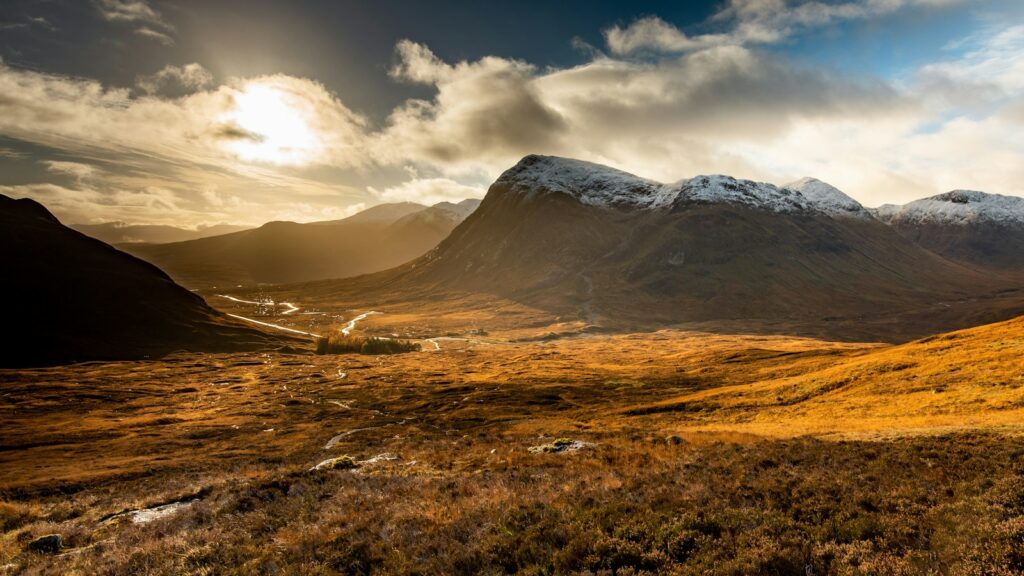
    Soft early light over the mountains of Glencoe in the Scottish Highlands
    Scotland in motion: where the journey becomes the destination. Photo: Carl Jorgensen / Unsplash
  • Royal Deeside: Balmoral, Braemar and the Royal Highlands

    Royal Deeside: Balmoral, Braemar and the Royal Highlands

    Follow the River Dee west from Aberdeen into the Cairngorms and you travel through the landscape Queen Victoria fell for, a valley of castles, pine forest, heather hills and Highland villages that still carries the royal family’s quiet stamp.

    Why Royal Deeside?

    Queen Victoria and Prince Albert first came to Balmoral in 1848 and found in the upper Dee valley a Highland retreat they would never give up. The royal family still spends late summer here, and the connection shows everywhere: royal warrants above Ballater’s shops, a parish church where monarchs worship, a distillery with a “Royal” title and a Highland gathering the sovereign has traditionally attended.

    You do not need to be a royal watcher to love it. The drive runs from farmland and tower houses near Banchory to the high, wild Cairngorms around Braemar, and pairs easily with a whisky trail on Speyside or a few nights in one of the great castle hotels of Scotland.

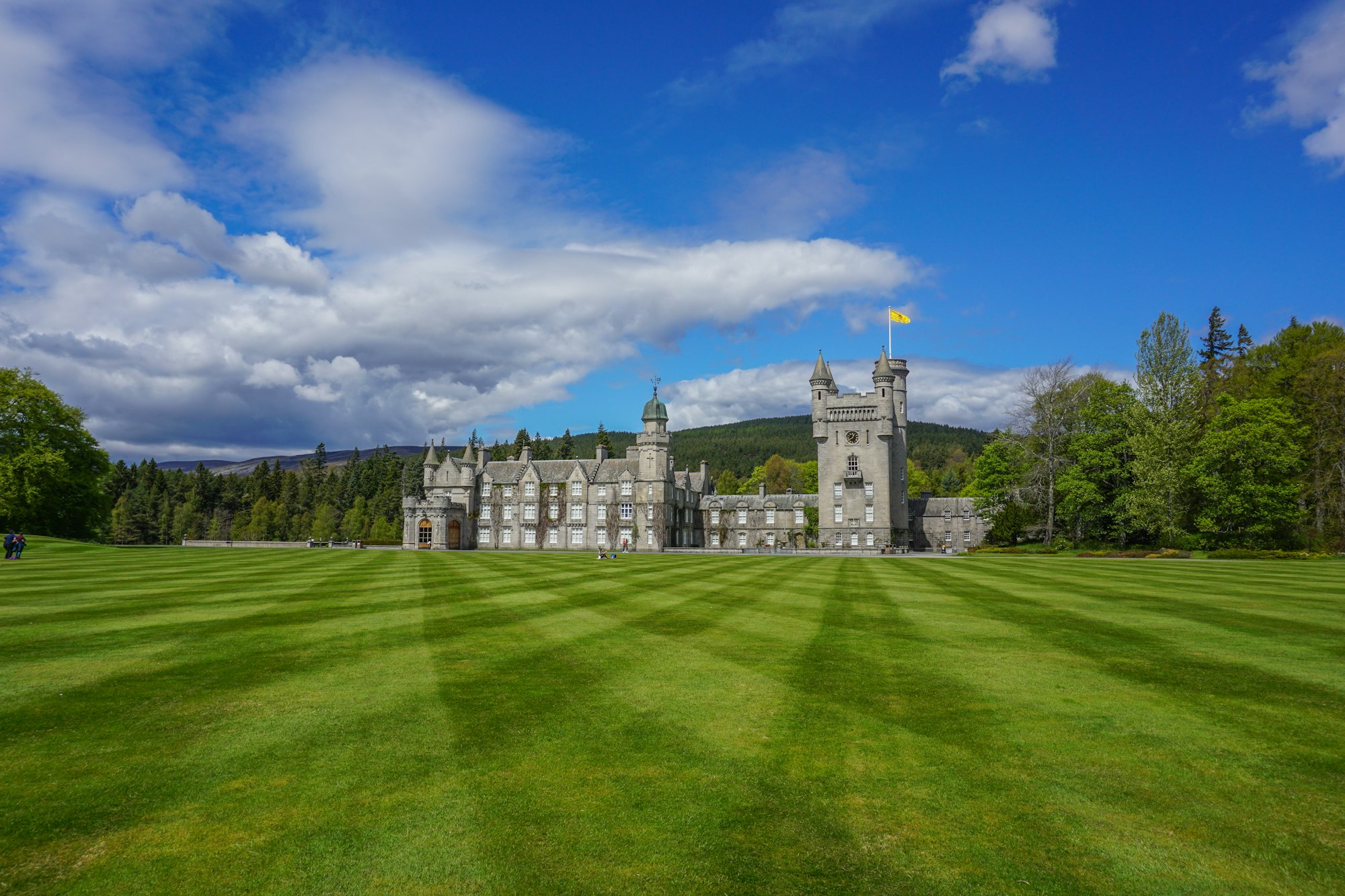
    Balmoral Castle's granite towers seen across wide striped lawns, with wooded hills behind, Royal Deeside
    Balmoral, the Highland home Prince Albert built for Queen Victoria. Photo: Cassie / Unsplash

    Balmoral Castle

    Balmoral remains a private royal residence, so visiting depends on the season. In 2026 the estate opened for a spring and summer season from 28 March to 9 August, closed while the royal family was in residence, then reopened for an autumn season from 29 September to 1 November. In those seasons visitors can walk the grounds and gardens, see the Ballroom (the castle’s largest room, and the only interior on a standard ticket) and visit the shop and café.

    Inside the castle

    The real prize is a guided interior tour. First offered in 2024 and run again in 2025 and 2026, these small-group tours (no more than 12 people) take in rooms still used by the royal family, including the Entrance Hall, the Red Corridor, the Library, the Family Dining Room and the Drawing Room. By spring 2026 most summer dates had sold out. Tours run on selected dates only, have a minimum age of 16 and must be booked through the official Balmoral website.

    Winter visits

    Since early November 2026 the estate has been on winter opening, with free entry to the grounds on selected days (Wednesday to Sunday through November and much of December); the Ballroom is closed. 2027 dates had not been announced at the time of writing, so check balmoralcastle.com and join its mailing list.

    Tip: If you want to see inside Balmoral, book the moment the new season’s tour dates are released. Then build the rest of your trip around it.

    Crathie Kirk

    Across the A93 from the Balmoral gates stands Crathie Kirk, the small granite parish church where every monarch since Queen Victoria has worshipped while staying on the estate. Victoria began attending services at Crathie in 1848 and laid the foundation stone of the present church in 1893; it opened in 1895. The church is usually open to visitors in the warmer months, from around April to October, and remains a working parish church, so be respectful of services.

    Royal Lochnagar Distillery

    A short walk or drive from Balmoral, Royal Lochnagar was founded by John Begg in 1845, and gained its royal title after Queen Victoria and Prince Albert visited in 1848. It is one of Scotland’s smallest traditional distilleries, which makes for an intimate tour beneath the slopes of Lochnagar itself. It is open to visitors year round (fewer days in winter), with tours and tastings from a one-hour introduction to an in-depth manager’s tour. Book ahead, especially in summer; tours can be reserved up to 90 days in advance.

    For more ideas on private and behind-the-scenes tastings, see our guide to private whisky distillery tours in Scotland.

    Braemar, the Gathering and Braemar Castle

    Ringed by mountains, Braemar is the wildest of the Deeside villages and a gateway to the heart of the Cairngorms.

    The Braemar Gathering

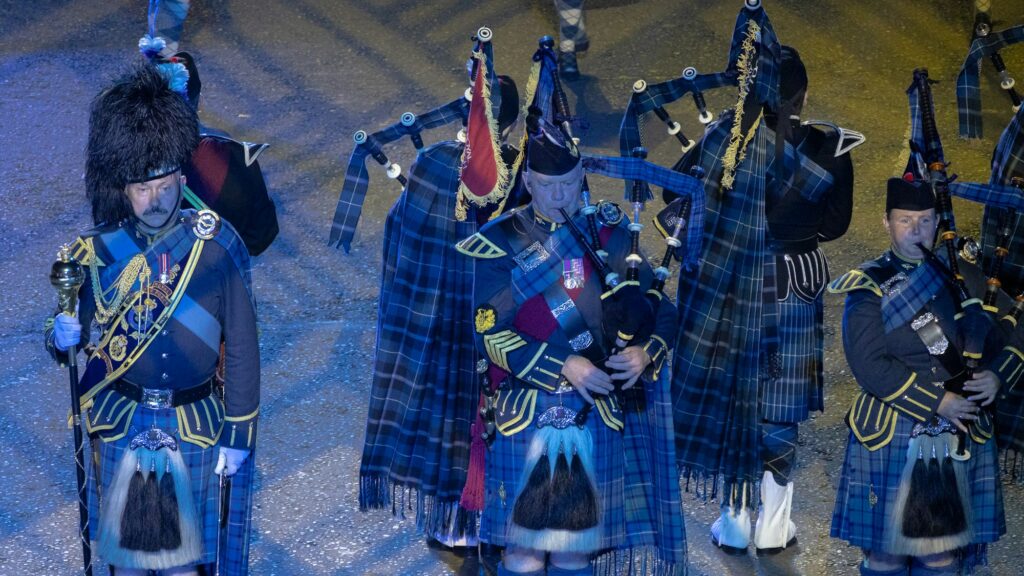
    The Braemar Gathering is the most famous Highland games in Scotland, held on the first Saturday in September at the Princess Royal and Duke of Fife Memorial Park. Expect caber tossing, hammer throwing, hill racing, Highland dancing and massed pipe bands. The reigning monarch has regularly attended since Queen Victoria’s time, and in September 2026 the King and Queen were among the spectators, though royal attendance is never announced as guaranteed. The next Gathering falls on Saturday 4 September 2027. Stand tickets and nearby rooms sell out early, so plan well ahead.

    Braemar Castle

    Just outside the village, the turreted, star-walled Braemar Castle tells a turbulent story. It was built in 1628 by John Erskine, Earl of Mar, burned by Jacobites in 1689, rebuilt as a government garrison after the 1745 rising, and later became a Farquharson family home where Queen Victoria was a guest during the Gathering. Since 2007 the Braemar community has leased and run the castle as a charity, and it reopened in May 2024 after a major conservation project. The castle opens from spring to autumn (daily in summer) and closes on Gathering day; check its website for current days.

    Pipers in tartan Highland dress and feather bonnets playing bagpipes in a pipe band
    The Braemar Gathering, held on the first Saturday in September. Photo: Vedanth Ravi / Unsplash

    Ballater

    Ballater is the elegant Victorian heart of Royal Deeside, a village of granite villas, a wide green and shopfronts proudly displaying royal warrants. Its restored Old Royal Station, where Victoria’s trains terminated, was rebuilt after a fire in 2015 and now houses a VisitScotland information centre, the royal waiting room and the Rothesay Rooms restaurant, established by the then Prince of Wales to help the village recover after severe flooding (check current opening days before you go). Ballater is a natural base for walks to the Falls of Muick and the lovely circuit of Loch Muick on the Balmoral estate.

    Crathes and Drum: The Castles of the Lower Dee

    Closer to Aberdeen, two National Trust for Scotland castles rank among the finest in the north east.

    • Crathes Castle, near Banchory, was built in the second half of the 16th century and was home to the Burnett family until 1951. Look up at its remarkable painted ceilings, find the ivory Horn of Leys (said to have been granted by Robert the Bruce) in the High Hall, and wander the walled gardens with their great yew hedges, thought to date from the early 1700s. Unusually, Crathes opens all year, with guided-only access in winter.
    • Drum Castle, near Drumoak, centres on one of Scotland’s oldest tower houses, probably dating from the late 13th century. Robert the Bruce granted the Royal Forest and Tower of Drum to William de Irwyn in 1323, and the Irvines lived here until 1975. Don’t miss the Garden of Historic Roses, at its best in June and July, and the ancient Old Wood of Drum.

    Opening days vary by season, so check the Trust’s website before setting off.

    The Cairngorms Setting

    Upper Deeside lies within the Cairngorms National Park, Britain’s largest national park, Lochnagar, the mountain that inspired a young Lord Byron, rises above Balmoral; ancient Caledonian pinewoods shelter red squirrels; and the hills around Braemar are home to red deer and golden eagles. The Loch Muick circuit or a guided wildlife safari shows off the landscape without serious hillwalking.

    Where to Stay in Royal Deeside

    • The Fife Arms, Braemar. Owned by Iwan and Manuela Wirth of the gallery Hauser & Wirth, this restored Victorian coaching inn is one of Britain’s most original hotels: 47 rooms and suites, more than 16,000 artworks and antiques (including a Lucian Freud in reception), the Clunie Dining Room and Bertie’s Whisky Bar. It holds MICHELIN Keys, the guide’s hotel award. Book very early for Gathering weekend.
    • Douneside House, Tarland. A former MacRobert family home run by the charitable MacRobert Trust, set in 17 acres of gardens. Its restaurant holds three AA Rosettes, and there is an indoor pool and health club.
    • Raemoir House, near Banchory. A characterful listed Georgian country house with around 18 rooms, ideally placed for Crathes and Drum. Relaxed charm rather than five-star polish.

    Best Seasons to Visit

    • Spring (April to June): long evenings, gardens in bloom and the best chance of a Balmoral interior tour.
    • Summer (July and August): warmest weather and Drum’s roses, but Balmoral closes in August.
    • September and October: the Braemar Gathering, heather, autumn colour and quieter roads. Balmoral reopens in late September.
    • Winter: snow on Lochnagar, roaring fires and free entry to the Balmoral grounds on open days; some attractions reduce their hours.

    Getting There and Around

    Aberdeen, with its airport and rail station, is the natural gateway. The A93 follows the Dee through Banchory, Ballater and Crathie to Braemar, then climbs over the Cairnwell Pass towards Perthshire, so you can also arrive from Edinburgh by the mountain road. A car or private driver-guide is by far the best way to explore.

    A Three-Day Royal Deeside Itinerary

    Day 1: Castles of the lower Dee

    Drive west from Aberdeen to Drum Castle for the tower and rose garden, then on to Crathes for its painted ceilings and gardens. Continue to Tarland for dinner and the night at Douneside House.

    Day 2: Balmoral and Ballater

    Spend the morning at Balmoral (on an interior tour if you secured one), visit Crathie Kirk, then take a tour and tasting at Royal Lochnagar. Late afternoon, stroll Ballater’s green and shops, or walk by Loch Muick.

    Day 3: Braemar and the Cairngorms

    Head up the valley to Braemar Castle, then out into the hills on a guided wildlife safari or a walk to the Linn of Dee. End with a dram in Bertie’s Whisky Bar and dinner at The Fife Arms.

    A warmly lit bar with backlit wooden shelves lined with whisky and spirit bottles
    A dram by the fire in Braemar to end the day. Photo: Edgar Chaparro / Unsplash

    FAQs

    Can you go inside Balmoral Castle?

    On a standard ticket you can usually see the Ballroom only. To see the private rooms you need one of the limited guided interior tours, which run on selected dates and must be booked well in advance.

    Will the King be at the Braemar Gathering?

    Royal attendance is a long tradition and the King and Queen attended in 2026, but it is never guaranteed in advance. Treat a royal sighting as a bonus.

    How many days do I need?

    Two or three nights lets you see Balmoral, Braemar and the lower Dee castles at an easy pace. Add a night or two if you want serious walking in the Cairngorms or to combine Deeside with Speyside.

    Plan Your Royal Highlands Journey

    Tell us your dates and interests and we will design a Royal Deeside itinerary with the right hotels, private guides and hard-to-get tour tickets.