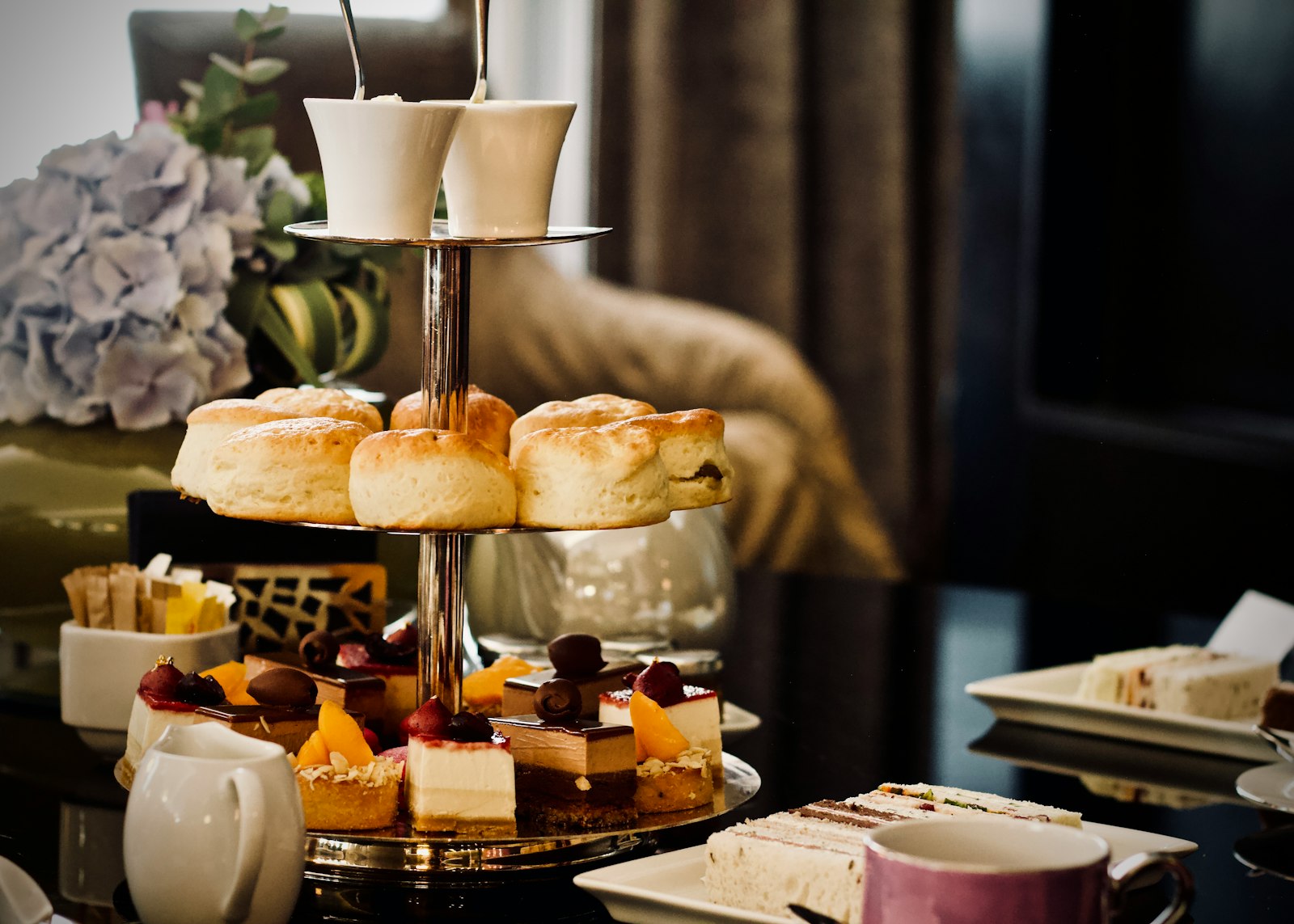
Category: Food and Drink

  • Afternoon Tea in London: The Grand Hotels Compared

    Afternoon Tea in London: The Grand Hotels Compared

    Few rituals feel as quintessentially London as afternoon tea in a grand hotel, and choosing the right room, from gilded Palm Courts to art-filled galleries, makes all the difference.

    A Short History of Afternoon Tea

    The story most often told begins around 1840 with Anna Maria Russell, the 7th Duchess of Bedford and a Lady of the Bedchamber to the young Queen Victoria. With lunch early and dinner served ever later, she is said to have asked for tea, bread and butter and cake to be brought to her room in the late afternoon. Friends were soon invited, and the habit travelled with her to London society. Woburn Abbey, the Bedford family seat, still credits her with popularising the custom in the 1840s, although historians note that the tale is hard to verify.

    What is certain is that by the later Victorian era afternoon tea had become a fixture of fashionable life, and the new grand hotels were quick to offer it. The Langham, which opened in 1865, describes its Palm Court as the birthplace of afternoon tea. It is a claim, not a settled fact, but it is a charming one.
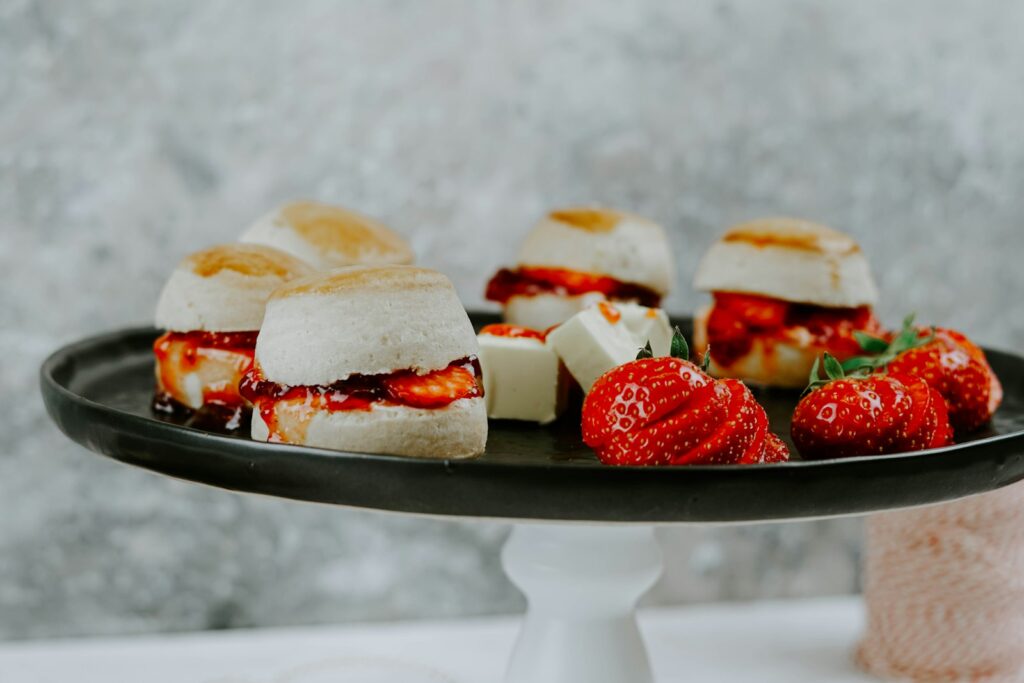
    Afternoon tea pastries with strawberries
    The classic order: sandwiches first, then scones, then pastries. Photo: Toa Heftiba / Unsplash

    The Grand Hotel Teas Compared

    Every tea below was checked in November 2026. Menus, sittings and dress codes change, so confirm details when you book.

    The Ritz: Palm Court

    Setting: The most famous tea room in London, a gilded fantasy of mirrors, chandeliers and a fountain, with live piano. Style: Utterly traditional, served at fixed sittings (11.30am, 1.30pm, 3.30pm, 5.30pm and 7.30pm). Dress code: The strictest in town. Gentlemen must wear a jacket and tie, and jeans and sportswear are not permitted for anyone. Booking: Weekend sittings often sell out two to three months ahead; weekdays are easier. Stay at The Ritz London and tea is a short walk from your room.

    The Savoy: The Gallery

    Setting: The former Thames Foyer has been reimagined as Gallery, a light-filled room beneath the hotel’s glass dome, and now serves from breakfast to dinner. Style: Classic tea with more than 30 teas to choose from, plus a later Twilight Tea in the evening. Dress code: No formal code; guests are asked to dress elegantly, and sports jerseys are not allowed. Booking: Allow several weeks, more at weekends and in December. For a riverside stay, book The Savoy.

    Claridge’s: The Foyer & Reading Room

    Setting: Mayfair glamour in a golden, ornate room, with Claridge’s signature jade and white striped china. Style: Polished and seasonal, with pastries that change through the year and a house Claridge’s Blend tea. Dress code: Officially none, though most guests choose smart casual. The hotel asks guests to refrain from taking photographs, out of respect for other diners’ privacy. Booking: Popular weekend slots go weeks ahead. The traditional tea was from about £95 per person on the hotel’s website, checked November 2026. Stay at Claridge’s.

    The Dorchester: The Promenade

    Setting: A long, opulent ground-floor promenade off Park Lane, with plush sofas, potted palms and great fountains of flowers. Style: Generous and classic, served daily from midday. Dress code: Smart casual; the hotel asks guests not to wear shorts or sportswear. Booking: A few weeks is usually enough outside the festive season. Gluten-free, vegetarian, vegan, nut-free and halal teas are available on request.

    The Langham: Palm Court

    Setting: An airy, elegant room at the top of Regent Street, with a pianist playing through the afternoon. Style: Traditional with a creative pastry touch, and the hotel’s proud claim to be where it all began. Dress code: Smart casual; sportswear and flip-flops are not allowed. Booking: Reservations are strongly recommended. Vegan, vegetarian and gluten-free menus are offered, plus a children’s tea for under-13s. Stay at The Langham, London.

    Brown’s Hotel: The Drawing Room

    Setting: Wood-panelled, intimate and very English, with a baby grand piano played daily. Brown’s opened in 1832 and calls itself London’s first hotel; Rudyard Kipling wrote here, and the hotel believes it inspired Agatha Christie’s At Bertram’s Hotel. Tea is now served in The Drawing Room (some older guides still refer to the English Tea Room). Style: Relaxed and literary. Dress code: No formal code; smart casual is the norm. Booking: Give 48 hours’ notice for special dietary teas. Book a room at Brown’s Hotel.

    The Goring: The Veranda

    Setting: A sunny veranda overlooking the hotel’s private lawn in Belgravia, a rare garden view in central London, with the Michelin-starred Dining Room next door. Style: Quietly refined, with a menu inspired by the style of the late Queen Elizabeth II. On Saturdays tea moves into The Dining Room. Dress code: Dress for the occasion; sportswear, athletic trainers, shorts and ripped jeans are not permitted. Booking: Online or by phone; the hotel has served afternoon tea for more than a century. Stay at The Goring.

    Beyond the hotels: Fortnum & Mason and Sketch

    Fortnum & Mason’s Diamond Jubilee Tea Salon is not a hotel but a Piccadilly institution. Opened in 2012 and named in honour of Queen Elizabeth II’s Diamond Jubilee, the salon sits above the famous shop, with piano music, sofa seating and long opening hours into the evening. Smart casual dress. A made-without-gluten menu is available on request (not suitable for coeliacs). Pick up tea in the shop downstairs on the way out.

    Sketch, The Gallery in Mayfair is the contemporary choice. Its famous pink room was reimagined in 2022 by artist Yinka Shonibare and architect India Mahdavi, part of Sketch’s long tradition of artist collaborations, and the building also houses the three-star Lecture Room & Library from our Michelin-starred dining in London guide. Dress is “art smart”, and children are welcome.

    Which Tea Is Right for You?

    • For a once-in-a-lifetime occasion: The Ritz, jacket and tie and all.
    • For Mayfair or riverside glamour and people-watching: Claridge’s or The Savoy.
    • For history lovers: The Langham’s origin claim or literary Brown’s.
    • For a garden view: The Goring. Pair it with our guide to the secret gardens of London.
    • For a relaxed dress code and late hours: Fortnum & Mason.
    • For art and fun: Sketch.

    As a guide, booking listings checked in November 2026 put a classic tea at most of these addresses at roughly £80 to £100 per person, rising with Champagne or festive menus.

    Etiquette: Scones, Milk and Little Fingers

    • Cream or jam first? The great debate. In Devon, cream goes first; in Cornwall, jam first, then cream. The Goring notes that the late Queen preferred jam, then cream. There is no wrong answer at a London table.
    • Break, do not slice: Gently twist or break your scone in half by hand rather than cutting it with a knife.
    • Order of service: Sandwiches, then scones, then pastries. Most hotels will happily refill sandwiches and scones.
    • Milk: Never add milk to green tea or herbal infusions. With black tea, it is personal preference.
    • The little finger: Keep it down. A raised pinkie is a myth of tea etiquette.

    Tip: Arrive hungry and do not plan a big dinner. Many hotels refill the savoury and scone courses, and some will box up leftover cakes if you ask.

    Dietary Options

    All of the grand hotels now cater well for special diets, but notice matters. Vegan, vegetarian and gluten-free teas are widely offered, and The Dorchester, Brown’s and Fortnum & Mason list halal and nut-free options on request. Mention requirements when you book, not on arrival: Brown’s, for example, asks for 48 hours’ notice. Coeliac guests should check whether a gluten-free menu is prepared separately, as kitchens are shared.

    How to Book

    1. Book directly on each hotel’s website or by phone. Most use online reservation systems and send confirmation by email.
    2. Plan ahead: two to three months for a weekend at The Ritz or The Savoy, a few weeks for most others, longer for any December date.
    3. Read the cancellation terms: many hotels charge a fee for late cancellation.
    4. Celebrating? Mention a birthday or anniversary when booking; many teas can add a celebration cake.
    5. Festive teas: Most grand hotels run Christmas teas from mid-November into early January; book early.

    For a lighter-hearted option, an afternoon tea bus tour on a vintage Routemaster combines scones with a sightseeing loop of central London. Note that the buses have no toilet and no guide.

    A Perfect Afternoon Tea Day in Mayfair

    Morning: Browse the Piccadilly arcades and the food hall at Fortnum & Mason, choosing a caddy of loose-leaf tea to take home.

    Midday: Walk through Green Park or St James’s Park, saving your appetite.

    Afternoon: Take a 3.30pm sitting at The Ritz or Claridge’s, allowing a leisurely two hours.

    Evening: A light supper, or simply a nightcap in the hotel bar. To recreate the ritual at home, we love a classic fine bone china teapot and a good book on the history of British tea.
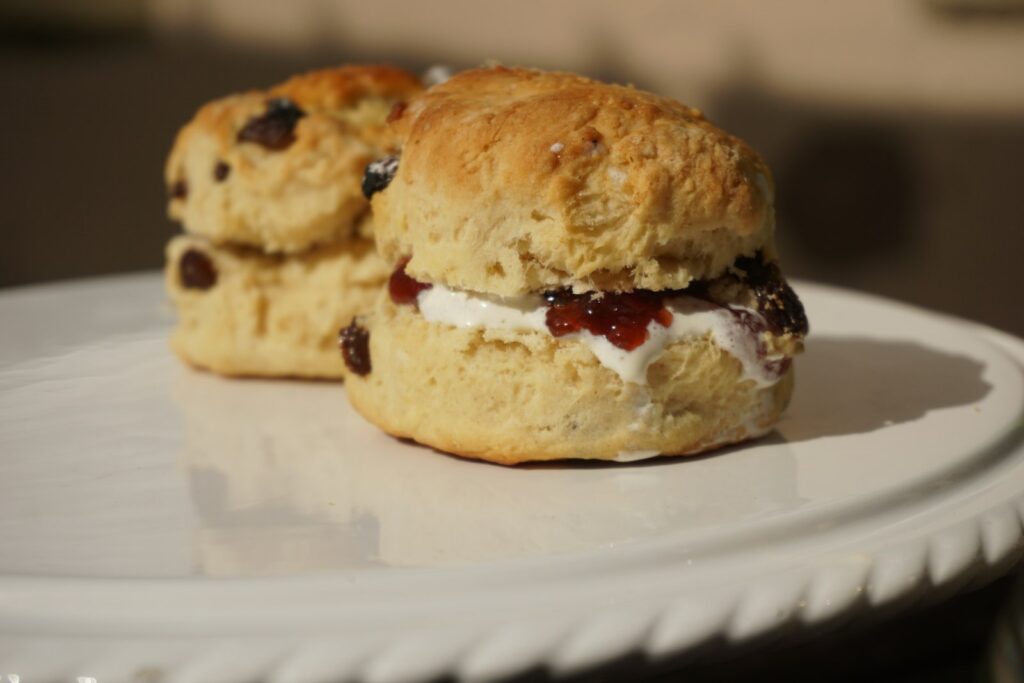
    Freshly baked scones on a plate
    Jam or cream first? London will not judge. Photo: Sarah Kilian / Unsplash

    FAQs

    Which London afternoon tea has the strictest dress code?

    The Ritz. Gentlemen must wear a jacket and tie in the Palm Court, and jeans and sportswear are not allowed. Most other grand hotels ask for smart casual.

    How far ahead should I book?

    Two to three months for weekend sittings at The Ritz and The Savoy, and a few weeks for most others. December fills fastest.

    Where was afternoon tea invented?

    The custom is traditionally credited to Anna, Duchess of Bedford, around 1840. The Langham claims to be where hotel afternoon tea began when it opened in 1865.

    Can children come to afternoon tea?

    Yes. Several hotels, including The Langham and Claridge’s, offer children’s afternoon tea menus.

    Let Us Plan Your London Escape

    Tell us your dates and we will design a seamless London itinerary, from grand hotel stays and tea reservations to Michelin dinners and private tours.
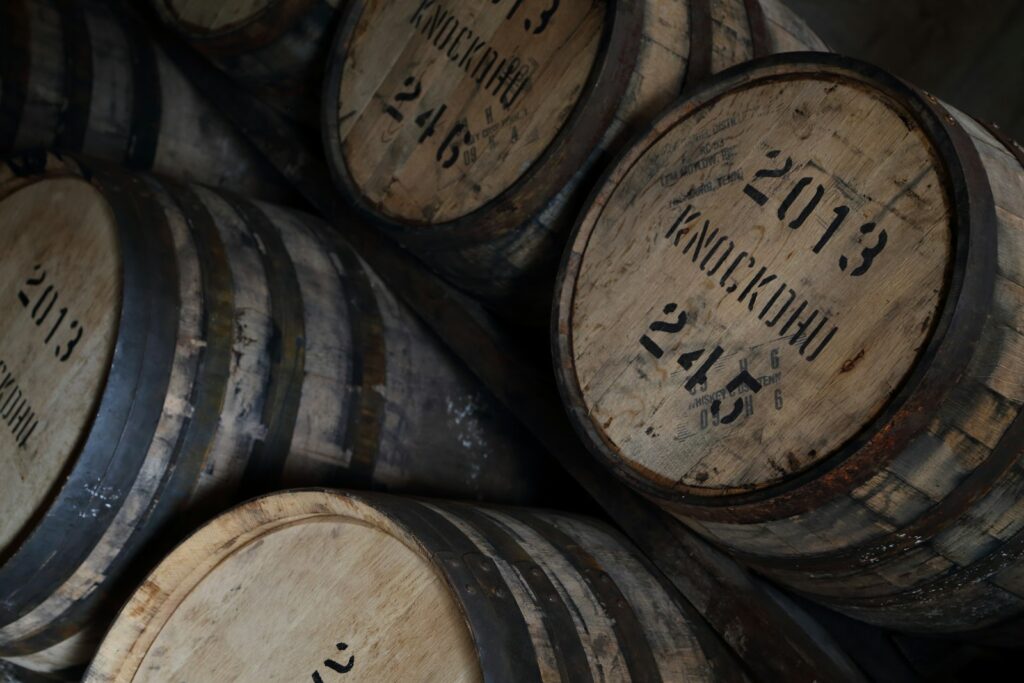
  • Private Whisky Distillery Tours in Scotland

    Private Whisky Distillery Tours in Scotland

    Behind-the-scenes access, warehouse tastings, and soul-stirring landscapes, crafted into a seamless, private journey.

    Why Go Private?

    Great whisky is about patience and place, and private touring lets you savour both. With a driver-guide at the wheel and VIP appointments at your favourite distilleries, you trade queues for conversation and generic tours for tailored storytelling. Expect longer, deeper visits: time in the stillhouse, a quiet warehouse to nose casks, perhaps a sample drawn by valinch as the angels take their share. It’s immersive, unhurried, and immensely personal.

    For couples and small groups, private tours unlock flexibility. You can detour for a windswept photo stop, add a last-minute cooperage visit, or linger over a long lunch without checking the time. And because you’re not driving, tastings stay relaxed and safe.

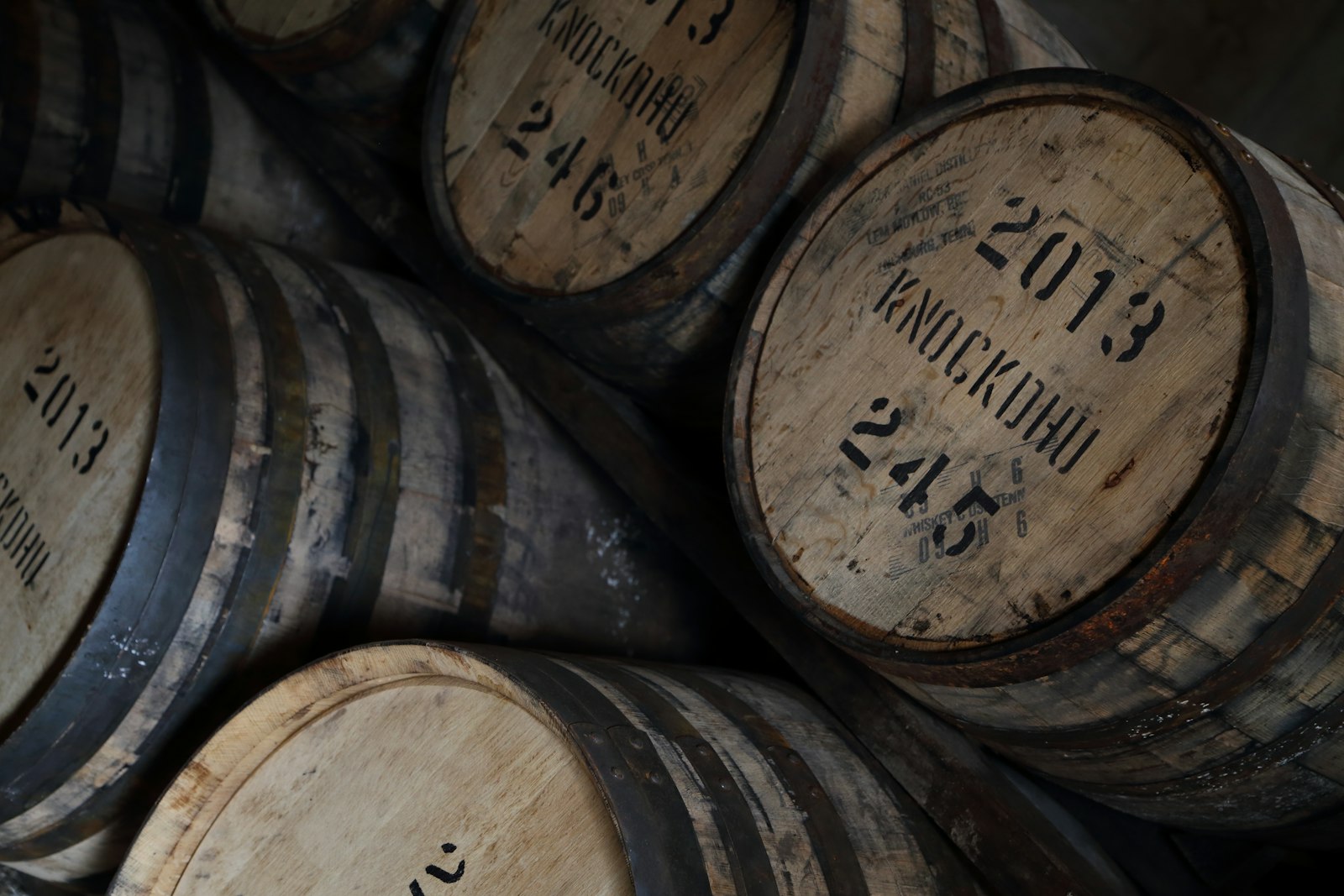
    Wooden whisky casks stacked in a maturation warehouse
    A moment worth lingering over: cask-strength drams in a cool, earthen-floored warehouse. Photo: François Hoppet / Unsplash

    Key Whisky Regions at a Glance

    Every region has a voice, shaped by peat, climate, water, and tradition. Here’s a quick primer to help you map the memories you want.

    • Speyside: The heartland, orchard fruit, honey, elegance. Dense with storied names and magnificent visitor centres.
    • Islay: Maritime and peaty, brine, smoke, and Atlantic character. Compact for touring, dramatic for souls.
    • Highlands: Expansive and varied, heather, spice, citrus. From seaside Oban to the northern greats.
    • Islands: Distinct personalities, Talisker’s sea-spray on Skye, Jura’s wildness, Orkney’s heathery depth.
    • Lowlands: Soft malts and innovation, great access from Edinburgh and Glasgow.
    • Campbeltown: Historic and characterful, salt-licked malts with cult followings.

    Signature Private Experiences

    • Warehouse tastings: Guided by a host who knows each cask’s story; sample straight from the barrel.
    • Cooperage demonstrations: Watch casks being raised and fired; understand why wood is everything.
    • Blending sessions: Create your own small blend to bottle and take home.
    • Estate walks: Follow burns and barley fields; learn how terroir meets technique.
    • Food pairings: Chocolate, cheese, or seafood pairings that reveal new layers in each dram.
    • Boat or 4×4 add-ons: RIB crossings on Islay, or hill tracks above Speyside for views and picnic tastings.

    Top Distilleries (By Region)

    Speyside

    • The Macallan Estate (Craigellachie): A jaw-dropping, grass-topped distillery with museum-level exhibitions and precision-led tastings. Visits are by appointment only, and adults only.
    • Glenfiddich (Dufftown): Premium tours visit Warehouse 8, home of the Solera vat.
    • The Balvenie (Dufftown): Old-school magic; look for craft-focused tours and traditional floor maltings.
    • Aberlour (Aberlour): Sherry lovers’ paradise, seek out cask-led tastings with rich, nutty profiles.
    • Speyside Cooperage: Not a distillery, but unmissable for seeing casks built and repaired at speed (weekdays only, check times).

    Islay

    • Laphroaig (Kildalton coast, near Port Ellen): Saline, smoky, unmistakable; join Friends of Laphroaig before you go and claim your “rent” dram at the distillery.
    • Lagavulin (Kildalton coast, near Port Ellen): Premium Warehouse No.3 tastings, a rite of passage for peat lovers; powerful, elegant peat.
    • Ardbeg (Kildalton coast, near Port Ellen): Playful spirit, serious whisky, pair a tour with lunch at the Old Kiln Café.
    • Bruichladdich (Rhinns): Progressive methods, terroir talk, barley experiments, don’t miss Ugly Betty, the Lomond still behind The Botanist gin.
    • Port Ellen (Port Ellen): The legendary distillery reopened in 2024; its full-day “Atlas of Smoke” private experience hosts up to eight guests, with lunch.
    • Kilchoman (Rhinns): A farm distillery making whisky from its own Islay barley; look for its small-group Sunday experience.
    • Bunnahabhain (North Islay): Remote beauty; unpeated core with maritime nuance, plus special cask draws.
    • Bowmore (Bowmore): Historic vaults and balanced peat; great for first-timers to Islay style.

    Highlands & Islands

    • GlenDronach (Forgue, just east of Speyside): Deep, sherried style, intimate tours and characterful warehouses; 2026 marks its 200th anniversary.
    • Glenmorangie (Tain): Tall stills and citrus-forward spirit; elegant tastings by the Dornoch Firth.
    • Oban (Argyll): Seaside stalwart; combine with seafood on the harbour.
    • Talisker (Isle of Skye): Peppery, maritime; dramatic setting on Loch Harport.
    • Highland Park (Orkney): Heather-honey warmth with Orkney peat; atmospheric warehouses.
    • Old Pulteney (Wick): The maritime malt; briny edge and generous hosts.

    Lowlands & Campbeltown

    • Auchentoshan (Clydebank): Triple-distilled smoothness; an easy hop from Glasgow.
    • Glenkinchie (Pencaitland): East Lothian charm and a sleek visitor centre, ideal from Edinburgh.
    • Springbank / Glengyle (Campbeltown): Cult favourites with traditional production methods and deep character.
    • Johnnie Walker Princes Street (Edinburgh): Not a distillery, but the brand’s flagship home, with a private cellar tasting that makes an ideal arrival-day experience.

    How to Plan Your Tour

    1) Choose Your Base & Pace

    Anchor each region with a characterful stay, Edinburgh or Inverness for the Highlands; Elgin or Craigellachie for Speyside; Bowmore or Port Ellen for Islay; Portree for Skye. Two to three nights per region keeps transfers civilised and tastings focused. On Islay, Ardbeg House, a 12-room distillery hotel in Port Ellen that opened in 2025, makes a memorable base.

    2) Hire a Driver-Guide

    Private cars mean safety, comfort, and insider access. Your driver coordinates timing, routes, and scenic stops, freeing you to savour every dram.

    3) Book Distilleries Direct

    Premium slots (warehouse tastings, cask draws, blending sessions) are capacity-limited and can sell out months ahead, lock these first, then add lunches and scenic detours.

    4) Layer in Scenic & Cultural Stops

    • Speyside: Craigellachie Bridge, Linn Falls, Elgin Cathedral ruins.
    • Islay: Machir Bay, Kildalton Cross, coastal RIB to spot seals.
    • Skye: The Quiraing, Neist Point, Dunvegan Castle.
    • Orkney: Ring of Brodgar, Skara Brae, St Magnus Cathedral.

    Sample Private Itineraries

    A) 3-Day Speyside Immersion

    Day 1: Arrive in Aberdeen or Inverness; transfer to Craigellachie. Afternoon private tour at Aberlour with sherry-cask tasting. Dinner at a local inn, pair venison with a Speyside malt.

    Day 2: Morning at The Macallan Estate (architectural tour + precision tasting). Lunch overlooking the Spey, then Glenfiddich heritage tour and warehouse samples. Sunset walk to Craigellachie Bridge.

    Day 3: Speyside Cooperage demonstration, then The Balvenie or GlenDronach depending on your palate. Depart via Inverness.

    B) 4-Day Islay: The Peat Lover’s Pilgrimage

    Day 1: Fly from Glasgow with Loganair, or take the CalMac ferry from Kennacraig and build in a buffer day in case of disruption. Settle in near Bowmore. Intro tasting at Bruichladdich, terroir talk and cask samples.

    Day 2: South-coast trio: Laphroaig, Lagavulin, Ardbeg. Private warehouse at Lagavulin; lunch at Ardbeg’s Old Kiln Café. Golden-hour stop at Kildalton Cross.

    Day 3: Bunnahabhain for north-shore views and maritime malts. Optional RIB on Loch Indaal. Evening oysters with a peated dram.

    Day 4: Bowmore vaults, then beach walk at Machir Bay before departure.

    C) 6-Day Highlands & Skye

    Day 1–2 (Inverness & Dornoch): Glenmorangie tasting by the firth; explore Dornoch beach and cathedral.

    Day 3 (Inverness to Skye): Scenic drive via Loch Ness, Eilean Donan and Glen Shiel; seafood lunch en-route.

    Day 4 (Skye): Talisker visit and sunset at Neist Point, both on Skye’s west side; save the Quiraing for a second Skye day if you can.

    Day 5 (Oban): Oban tour with harbour tasting flight; boat trip option.

    Day 6 (Return): Back to Edinburgh or Glasgow via Loch Lomond.

    Design My Private Whisky Tour

    Tell us your favourite flavour profiles, must-visit distilleries, and dates, we’ll secure VIP tastings, arrange driver-guides, and book exceptional stays.

    Tasting Etiquette & Practicalities

    • Hydrate and pace: Warehouse pours can be cask-strength; water is your friend.
    • Fragrance-free: Perfume can skew aromas, go neutral.
    • Photography: Always ask in production areas; some spaces restrict flash.
    • Shopping & shipping: Many distilleries can ship purchases; ask on the day for current options.
    • Seasonality: Peak months (May–September) book early; winter offers intimacy but shorter days and weather variables.
    • Safety: With a private driver, everyone can taste. If self-driving between stays, designate a non-taster.
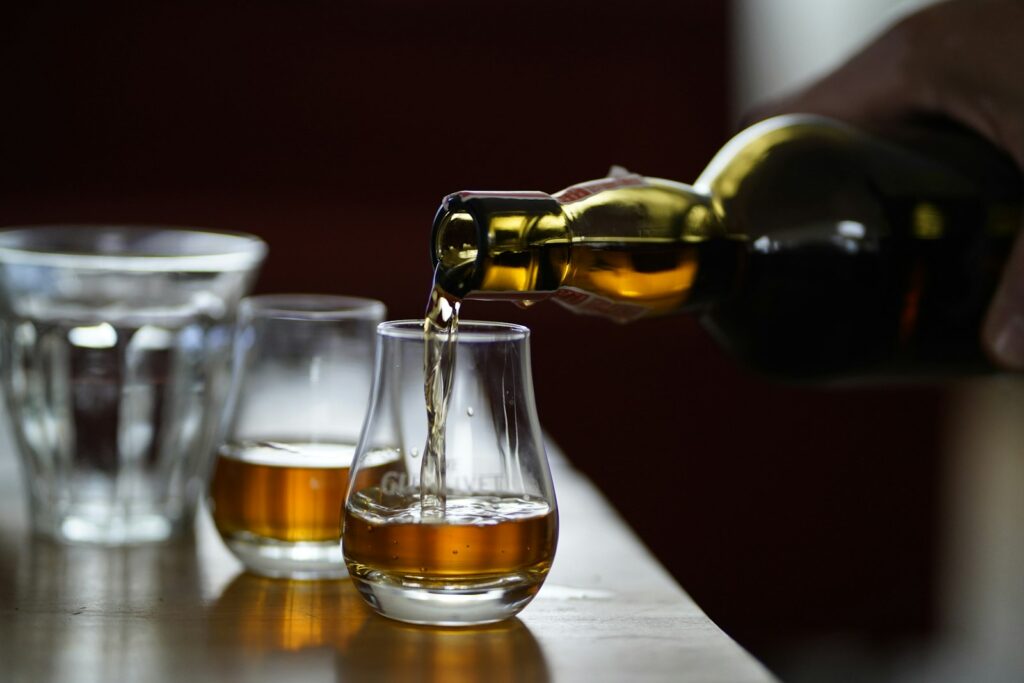
    A dram of Lagavulin 16 year old single malt Scotch whisky in a glass
    The magic moment: a valinch draws living spirit from its cask. Photo: Dylan de Jonge / Unsplash

    FAQs

    How far in advance should I book private distillery experiences?

    For peak months, secure key distilleries 8–12+ weeks ahead; for marquee slots (exclusive warehouses, blending), plan even earlier.

    Are children allowed on tours?

    Policies vary; many welcome families on site but restrict under-18s from tastings. Private scheduling helps align with your needs.

    Can you accommodate dietary needs at pairings or lunches?

    Yes, just let us know preferences in advance and we’ll book appropriately.

    Is there a “best” region for first-timers?

    Speyside offers density and variety; Islay is unforgettable if you love peat; the Highlands provide sweeping scenery with classic styles.

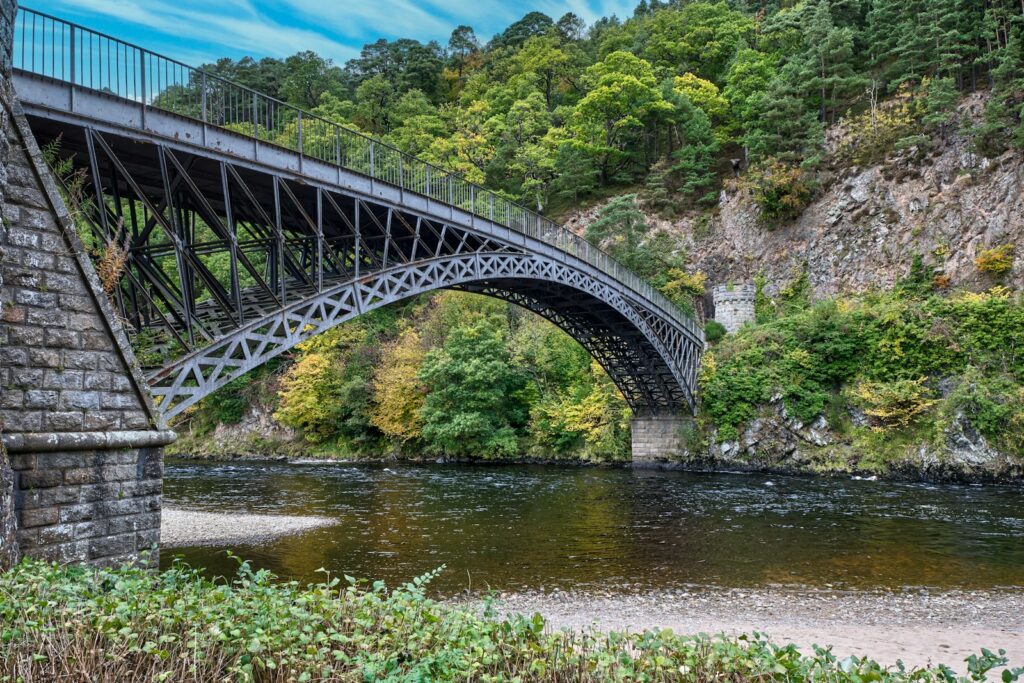
    Thomas Telford's Craigellachie Bridge spanning the River Spey in Moray, Speyside
    Where craft meets landscape: the Spey runs through Scotland’s whisky heart. Photo: Tom McPherson / Unsplash
  • Michelin-Starred Dining in London: A Foodie’s Guide

    Michelin-Starred Dining in London: A Foodie’s Guide

    From three-star temples to tiny counters, how to plan an unforgettable Michelin-led trip to London.

    Understanding London’s Michelin Landscape

    London’s Michelin scene is gloriously plural. Yes, there are hushed dining rooms with white tablecloths and silver cloches, but there are also tiny counters where dinner feels like theatre, casual bistros with exacting technique, and neighbourhood rooms that sparkle with originality. The joy is in variety. On one trip you might experience a tasting menu inspired by British terroir, a Japanese omakase with perfect tempo, and a modern Indian feast anchored by charcoal and spice.

    For the luxury traveler, it’s helpful to think in layers: occasion dining for landmark celebrations; chef’s counters for proximity and craft; lunch deals for outstanding value; and neighbourhood gems to stitch your days together. Mix styles and cuisines across your stay, your palate will thank you.

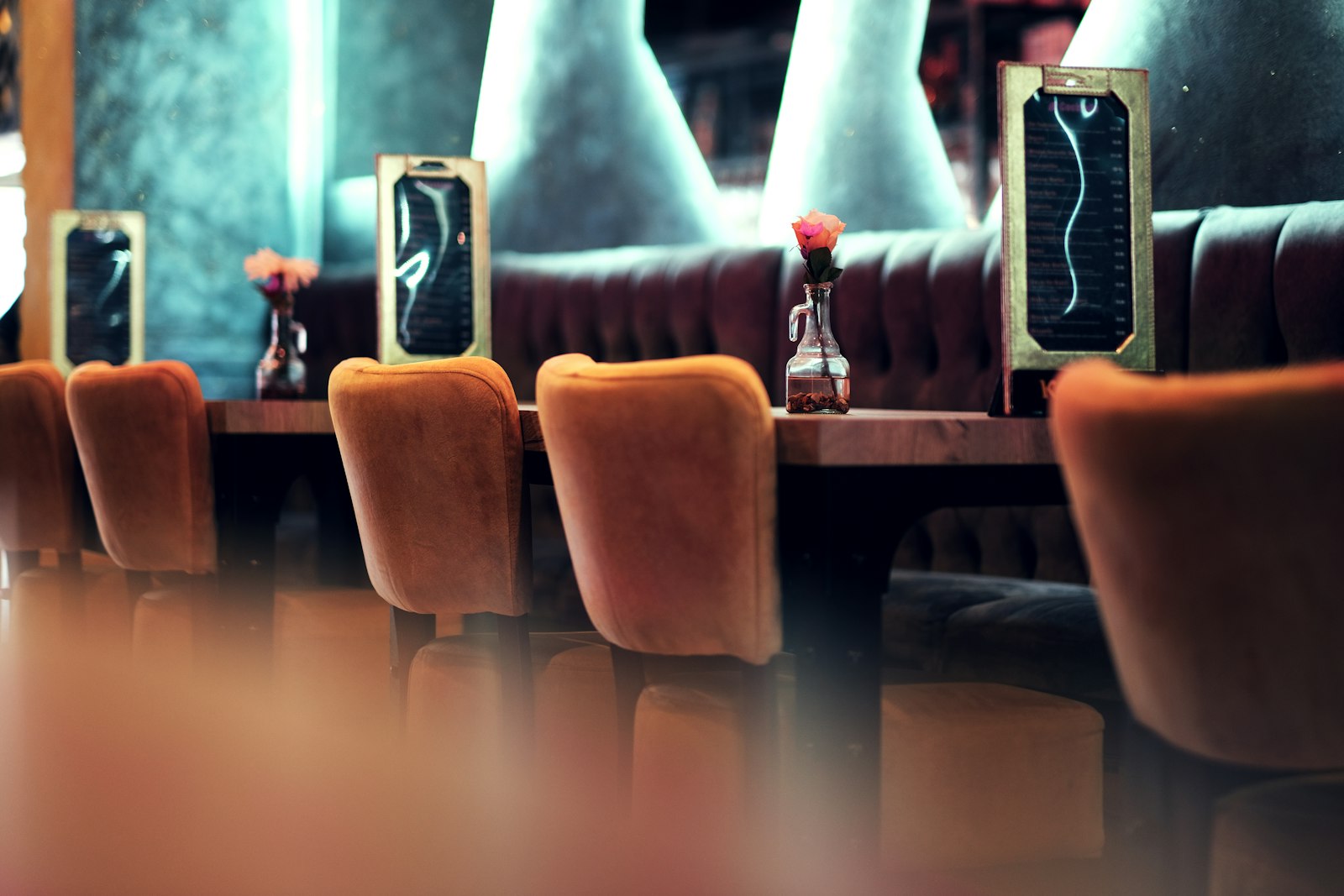
    Velvet banquette seating and soft lighting in a quiet London restaurant
    A stage for culinary storytelling, London’s Michelin rooms range from grand salons to intimate counters. Photo: dylan nolte / Unsplash

    Essential Tables (By Style)

    Rather than chasing stars alone, choose by style and mood. Below are beloved, frequently celebrated kitchens that consistently thrill discerning diners. (Michelin ratings can change annually, always check the restaurant’s latest status when you reserve.)

    Occasion Dining & Grand Rooms

    • Restaurant Gordon Ramsay, Chelsea (three stars), the definition of precision and polish; a serene setting for milestone meals.
    • Core by Clare Smyth, Notting Hill (three stars), produce-led British cuisine with elegance and clarity.
    • Hélène Darroze at The Connaught, Mayfair (three stars), luxurious, contemporary French cooking in a storied hotel.
    • Alain Ducasse at The Dorchester, Park Lane (three stars), haute technique, impeccable service, and a glamorous dining room.
    • The Ledbury, Notting Hill (three stars), creative dishes with woodland and farm inspirations; refined but never fussy.
    • Sketch, The Lecture Room & Library, Mayfair (three stars), French fine dining in one of London’s most theatrical rooms.
    • Bonheur by Matt Abé, Mayfair (two stars), earned within months of opening on the former Le Gavroche site.
    • Alex Dilling at Hotel Café Royal (two stars), refined French cooking a short stroll from the Royal Academy.

    Modern British & Neighbourhood Gems

    • St. JOHN, Smithfield (one star), a nose-to-tail institution; deceptively simple plates that linger in memory.
    • Brat, Shoreditch (one star), wood-fire mastery; whole turbot and burnt cheesecake have cult status.
    • Chez Bruce, Wandsworth (one star), south-west London classic; gracious service and balanced menus.

    Asian Excellence

    • Endo at the Rotunda, White City or Sushi Kanesaka, Park Lane (one star each), intimate sushi omakase counters with obsessive attention to product.
    • A. Wong, Pimlico (two stars), refined modern Chinese cooking with real wit.
    • Gymkhana, Mayfair (two stars), regal clubby Indian dining; game dishes and tandoor breads are essential.

    Inventive Tasting Menus & New Wave Fine Dining

    • Ikoyi, 180 Strand (two stars), West African flavours expressed through a British lens; beautiful plating and spice-led nuance.
    • Kitchen Table, Fitzrovia (two stars), intimate counter theatre with a narrative arc to the menu.
    • Trivet, Bermondsey (two stars), quietly brilliant dishes and one of the city’s most thoughtful wine lists.
    • The Clove Club, Shoreditch (two stars), tasting menus that feel personal and precise.
    • Row on 5, Savile Row (two stars), Jason Atherton and Spencer Metzger’s showcase, promoted to two stars in 2026.

    Chef’s Counters & Open Kitchens

    At London’s best counters you don’t just watch dinner being made, you participate. The chef places a warm plate in front of you, explains a detail, smiles when you catch the reference. It’s immersive and convivial, and often easier to book than a main dining room. Top counter-style experiences include Kitchen Table, high-craft sushi at Endo at the Rotunda or Sushi Kanesaka, and the always-electric Barrafina (not Michelin-starred, but perfection for a pre-theatre night).

    Booking tip: Follow restaurants on social media for late counter releases, single seats and pairs often pop up 24–48 hours ahead.

    Outstanding Value Lunches

    One of London’s best secrets: many Michelin-starred kitchens run excellent set menus at lunch. Portions are generous, service is unhurried, and the room feels luxuriously quiet. Look for weekday lunch menus at places such as Gymkhana and long-standing classics like Chez Bruce, while Ikoyi serves its tasting menu at lunch midweek. You’ll eat brilliantly, spend less, and still have your evening for theatre or a West End stroll.

    • Plan for 2–3 courses and add a glass of grower Champagne or English sparkling.
    • Ask for counter or bar seating if the dining room is full, lunch counters are a delight.
    • Leave time to wander to a gallery or market nearby (see neighbourhoods below).

    How to Book (and Actually Get In)

    London reservations can feel like a sport. Here’s how to win, without stress. First, build a short-list across styles: a grand occasion dinner, a counter experience, a value-lunch, and a neighbourhood gem. Then use a blend of direct websites, booking platforms, and concierge support to secure the key pieces.

    • Target weekday lunches (Mon–Thu) for higher success rates and calmer rooms.
    • Watch for drops at midnight or 9–10am when many systems release new slots.
    • Join waitlists and enable notifications; pings often arrive 24–72 hours out.
    • Consider bar/counter seating which may open even when the main room is full.
    • Work with a hotel or card concierge for high-demand tables and last-minute options.
    • Be flexible on party size; two tops are always easier than fours.

    Neighbourhood Pairings

    Tie meals to nearby exploring so your days flow beautifully. Here are classic pairings that make logistical, and aesthetic, sense.

    Mayfair & St James’s

    Art galleries, arcades, and elegant parks. Pair a refined lunch with an afternoon at the Royal Academy, then stroll to St James’s for tailoring temples and heritage perfumers.

    Soho & Covent Garden

    Perfect before theatre. Small plates and natural wine at an energetic spot, then curtain up. Ikoyi, on the Strand, is a short walk away. Between shows, hit the Photographers’ Gallery or browsing on Berwick Street.

    Shoreditch & The City

    Contemporary art, Brutalist architecture, and excellent coffee. Book a tasting menu at a modern British pioneer, then wander to the Barbican conservatory.

    Notting Hill & Kensington

    Pastel terraces and antique browsing. Combine a long Notting Hill lunch with a meander through Kensington Gardens and the Design Museum.

    South Bank & Bermondsey

    Riverside walks and warehouse vibes. Plan for Tate Modern in the afternoon and an inventive dinner in Bermondsey afterwards.

    Dietaries & Dress Codes

    London kitchens are deft with dietary needs, gluten-free tasting menus, pescatarian swaps, or thoughtful vegetarian courses are common when requested in advance. Do flag allergies clearly when booking and again with your server.

    Dress codes have relaxed, but this is still a city that enjoys getting dressed. Smart-casual works almost everywhere; jackets are welcome but rarely mandatory. If you’re between museum-day and theatre, a polished pair of trainers is fine in many dining rooms.

    A 3-Day Michelin-Led Foodie Itinerary

    Day 1, Grand Beginnings (Mayfair & St James’s)

    Arrive and settle in near Hyde Park or St James’s. Begin with a value-lunch at an acclaimed kitchen, unhurried courses, a glass of English fizz, and a gentle reset from travel. Spend the afternoon wandering the Royal Academy and the arcades of Burlington and Piccadilly. Dinner is your occasion meal, a landmark dining room where service glides and the menu unfolds like a story. Cap the night with a martini in a classic hotel bar.

    Day 2, Counters, Culture & the West End

    Start in Soho with espresso and pastries before a late-morning gallery or a stroll through Covent Garden’s boutiques. Book a chef’s counter for lunch or early dinner, watch each plate take shape, talk to the team, feel the tempo. Leave time for a show in the West End or a concert at Wigmore Hall. If you have energy, close with a glass of Madeira at a wine bar.

    Day 3, East to Bermondsey (Modern British & Natural Wine)

    Head east for a contemporary art fix; the Barbican conservatory is a hidden oasis (open on select days, so check before you go). Late lunch at a modern British or wood-fire specialist, ingredient-first, generous, and satisfying. Walk the South Bank at golden hour, then celebrate with a final tasting menu in Bermondsey. Pack satisfied.

    Timing tip: London dinners start later than you might expect. If you prefer 6–7pm, target counters and value-lunches to max out your culinary day.

    Know Before You Go

    • Deposits & cancellation policies are common at high-demand restaurants, read confirmation emails carefully.
    • Wine pairings vs. bottle: consider a half-bottle or by-the-glass selections to keep pace with multi-course menus.
    • Allergies: many kitchens are nut-heavy or shellfish-focused, pre-advise to avoid disappointment.
    • Taxis & transfers: plan transport time, cross-town journeys at peak can stretch.
    • Photography: subtle is appreciated; always avoid flash.

    FAQs

    How far in advance should I book Michelin restaurants in London?

    For peak weekends and headline rooms, aim 30–60 days out. For counters and weekday lunches, 7–14 days often works, plus waitlists and same-day drops.

    Is there a dress code?

    Smart-casual is standard; some grand hotels appreciate jackets in the evening, though it’s rarely enforced.

    Can you accommodate dietary needs?

    Yes, London excels at dietary adjustments with advance notice. Flag requirements at booking and again on arrival.

    Where should I stay for a dining-focused trip?

    Mayfair/St James’s for proximity to grand rooms; Soho/Covent Garden for counters and theatre; Shoreditch for modern British pioneers; South Bank/Bermondsey for inventive kitchens and river walks.

    Ready to Plan Your London Dining Escape?

    Tell us your dates, preferred cuisines, and must-visit neighbourhoods, we’ll map reservations, transfers, and culture stops into a seamless itinerary.